University of Chicago scientists find electrons moving slowly in new quantum state
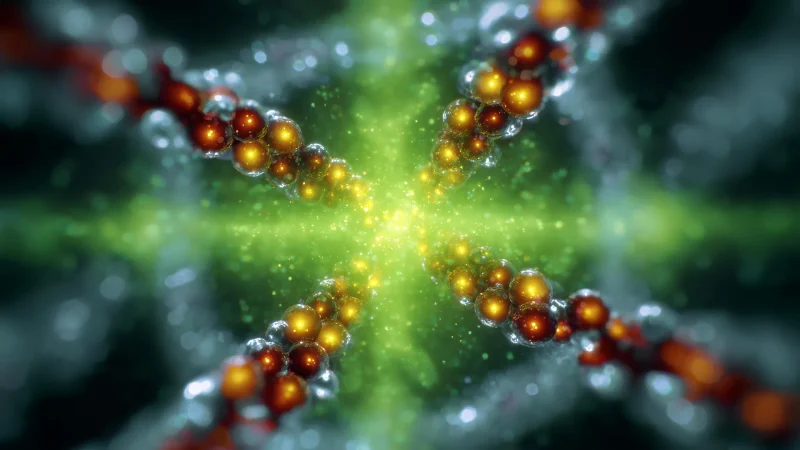
Researchers at the University of Chicago discovered a strange quantum state where large numbers of electrons move unusually slowly in Fe5GeTe2 on October 1, 2026.
Researchers at the University of Chicago discovered a strange quantum state where large numbers of electrons move unusually slowly in Fe5GeTe2 on October 1, 2026.
University at Buffalo scientists report that a specific oxygen-containing group in RNA may explain how early molecules formed protective structures on October 1, 2026.
Volunteers with the Lost Woods partnership have recorded more than 5,500 ancient and veteran trees across a 121-square-mile area of Sussex since March 2024.
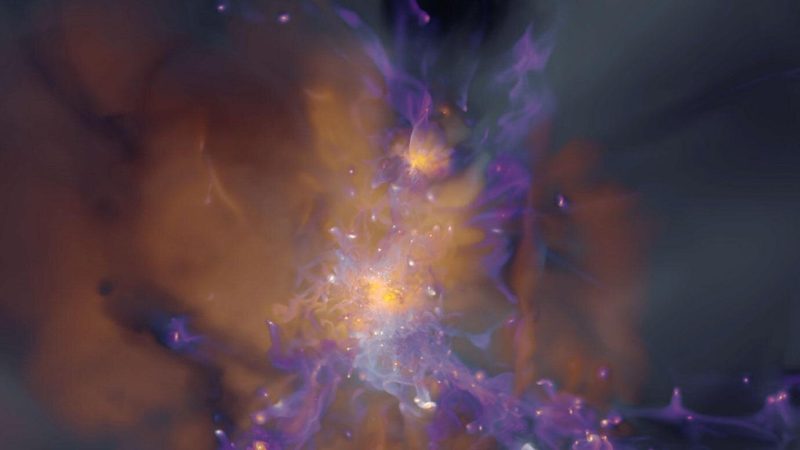
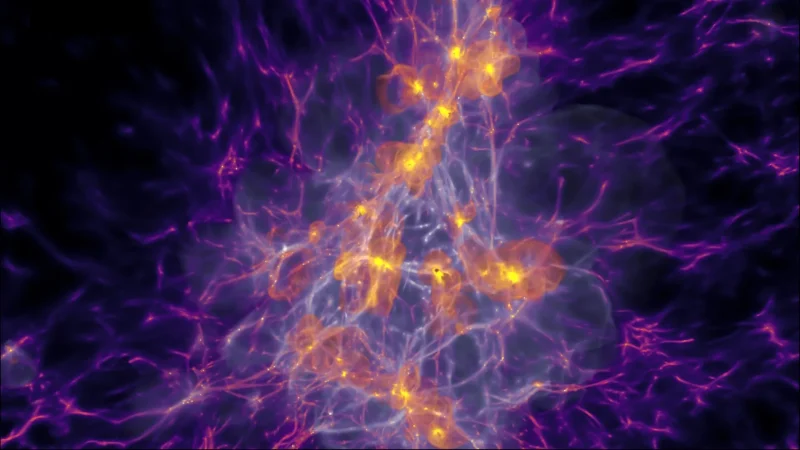
Scientists led by Harley Katz at the University of Chicago released new simulations showing the Milky Way began as thousands of galaxies.
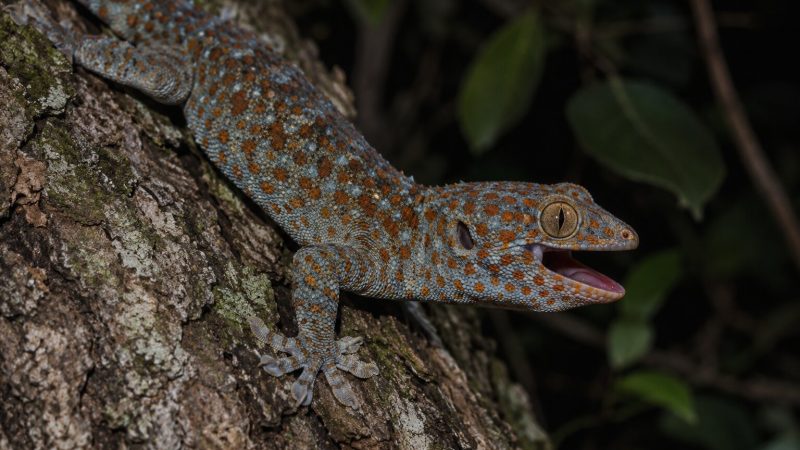
Researchers at the University of Southern Denmark found that male tokay geckos take a brief breath to lengthen their two-part mating calls.
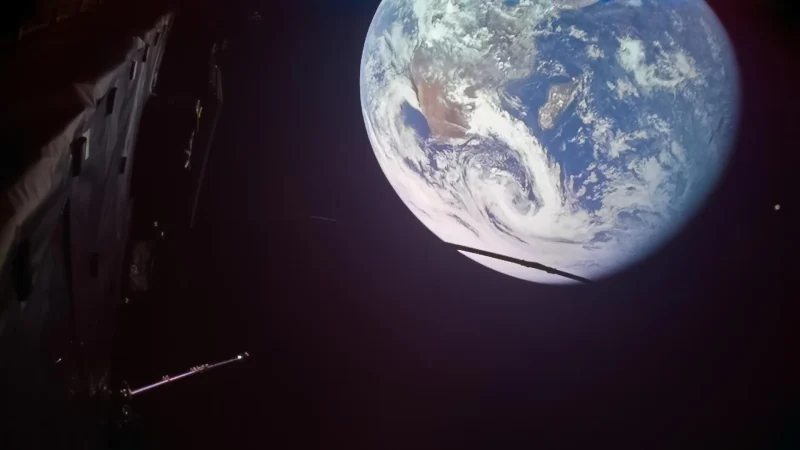
The European Space Agency's Jupiter Icy Moons Explorer flew past Earth on September 28, 2026, to use planetary gravity for a journey to Jupiter.
A research team from KAIST and Western University found that feeling secure within a group allows members to express dissenting opinions in greater detail.
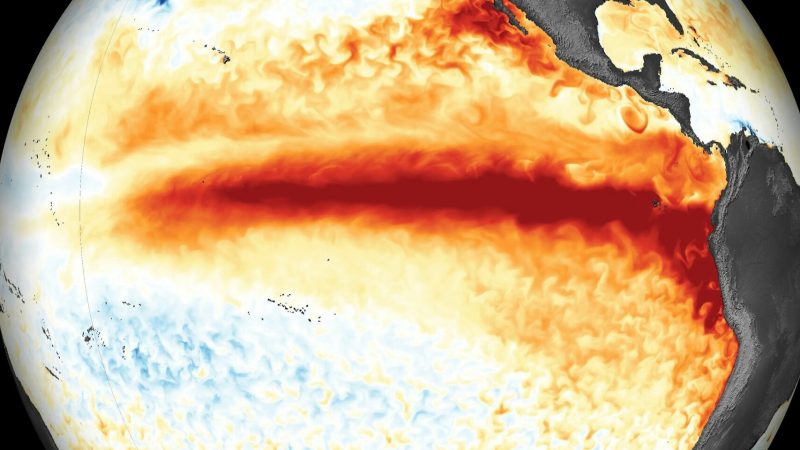
Forecasters say this year's unusually strong El Niño event is warming the Pacific Ocean faster than before and will likely peak around December.
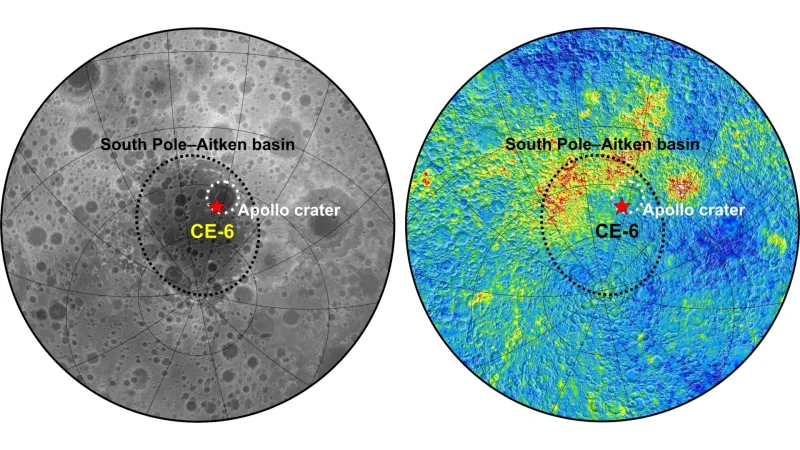
Researchers from the Chinese Academy of Sciences discovered a previously unknown form of metallic iron inside Chang'e-6 lunar soil samples on October 3, 2026.
Researchers from the University of Bath, University of Chicago, and Institut d'Astrophysique de Paris released new simulation results on October 3, 2026.