New research shows Dutch fish migration needs more than just passes
Ph.D. researcher Panos Panagiotopoulos at Wageningen University analyzed data from fish passes in the Netherlands to determine what is needed for successful restoration.
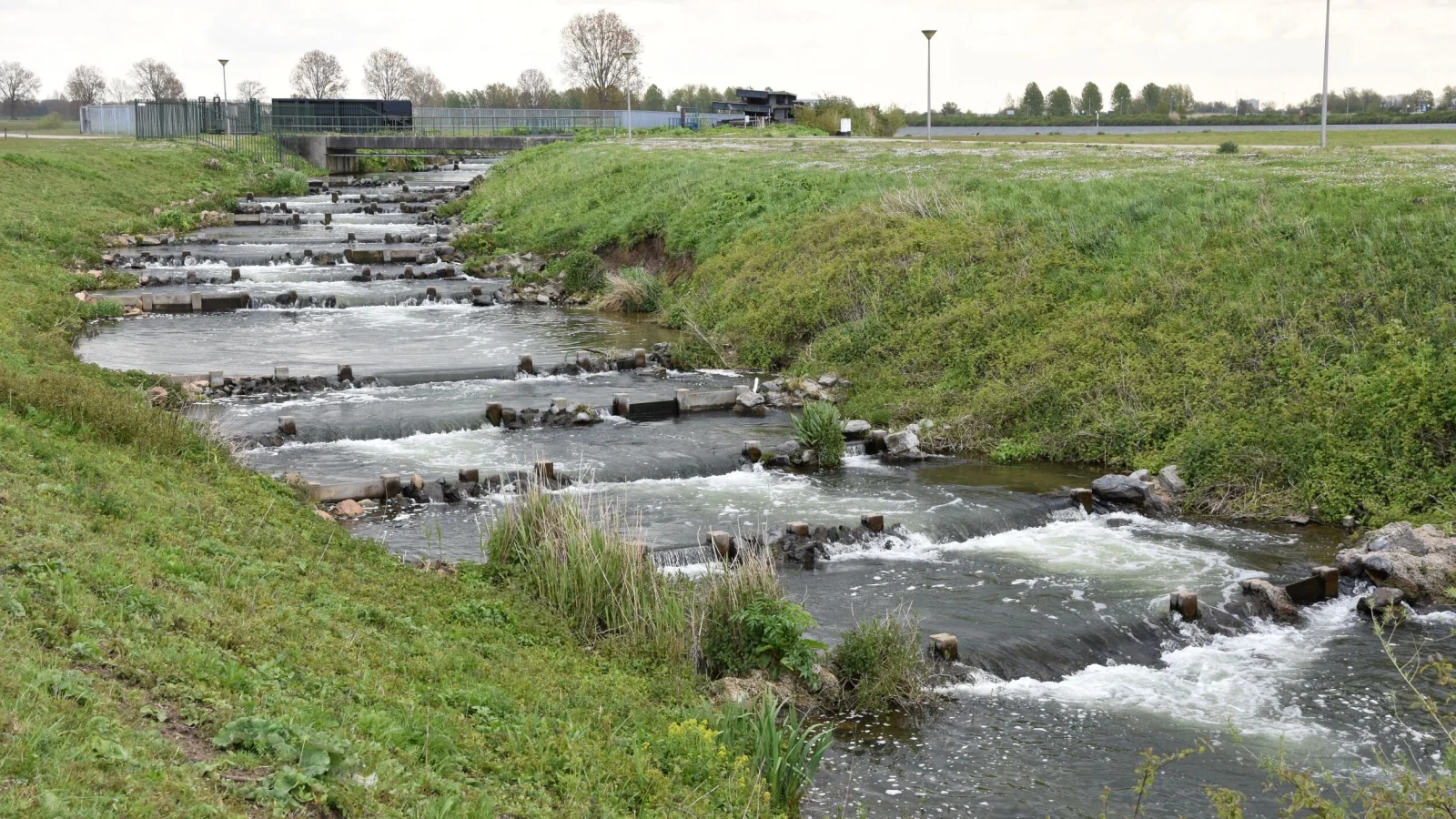
Analysis of eighty-two structures reveals high success rates
The study examined eighty-two different fish passes located across Dutch rivers and streams. Of the thirty-eight native fish species found in surrounding areas, researchers recorded thirty-five of them inside these structures. The specific species observed varied depending on the individual location of each pass.
Monitoring timing affects which animals are counted
The duration and timing of monitoring efforts proved to have a significant influence on the results. Designers often focus on particular target species when evaluating these structures. However, smaller fish and less capable swimmers also require the ability to move through the passes.
Maintenance and water management are equally vital
Successful restoration requires more than simply making individual barriers passable for aquatic life. Maintenance of the structures and active water management are crucial components of the process. Weirs, dams and other barriers continue to make it difficult for fish to move through rivers.
Reported by one outlet
Only one outlet has published this. Nothing here has been checked against a second report, so read it as that outlet's account and follow the link below for the original.
Reported by
1 independent outlet. Headline as published. Links open the original report.