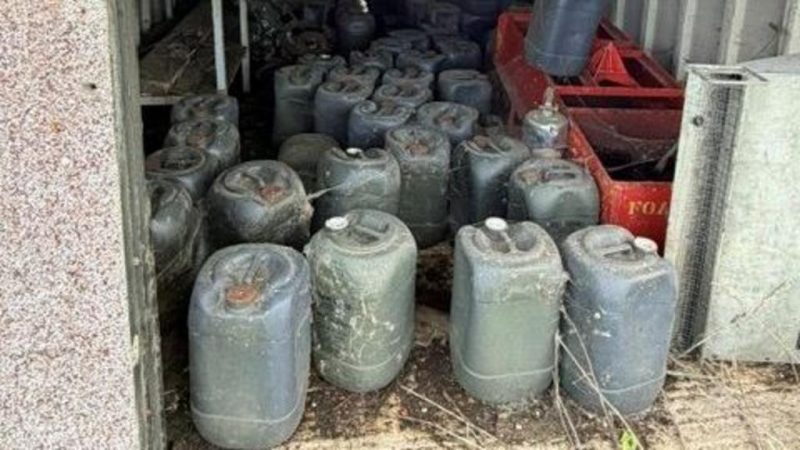
Chemicals removed from former fuel depot in Oxfordshire
A developer says barrels of firefighting foam containing PFAS chemicals have been removed from the Islip Fuel Depot site in Oxfordshire.
A developer says barrels of firefighting foam containing PFAS chemicals have been removed from the Islip Fuel Depot site in Oxfordshire.
University of Utah biologists conducted a three-year experiment showing quaking aspen trees retain chemical memories of previous drought conditions.
NASA has selected L3Harris Technologies to build an engineering test unit for the European Space Agency-led LISA space observatory scheduled for launch in the mid-2030s.
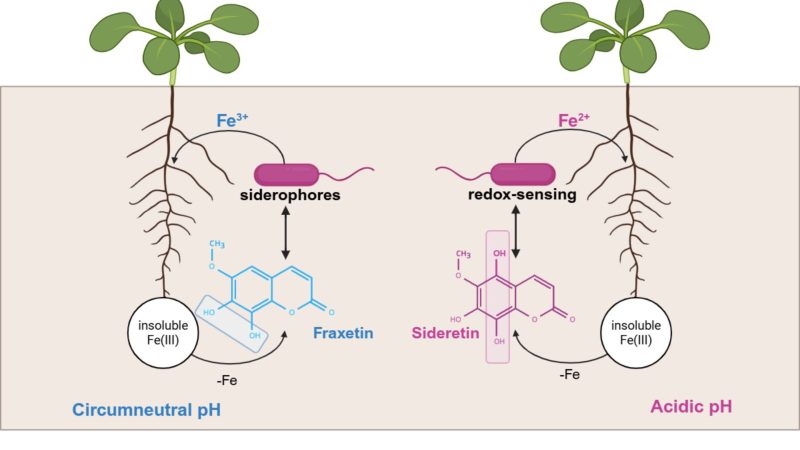
A research team led by Paul Schulze-Lefert at the Max Planck Institute in Cologne published findings on plant-bacteria iron acquisition in Cell.
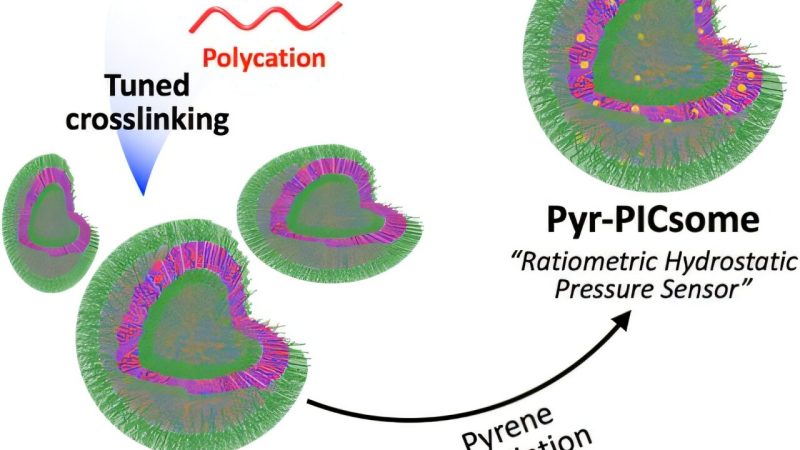
Scientists at the Institute of Science Tokyo have developed a new nanovesicle platform that converts hydrostatic pressure into fluorescent signals to measure conditions in deep oceans and living tissues.
Experts say climate change is rapidly forming new species communities, prompting calls to rethink conservation strategies in the near future.
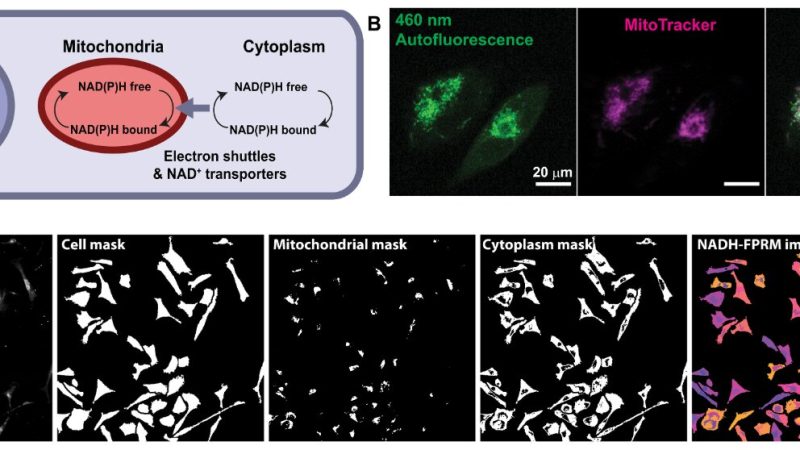
Cornell University scientists have developed a new technique for real-time observation of cell metabolism that was published on September 4.
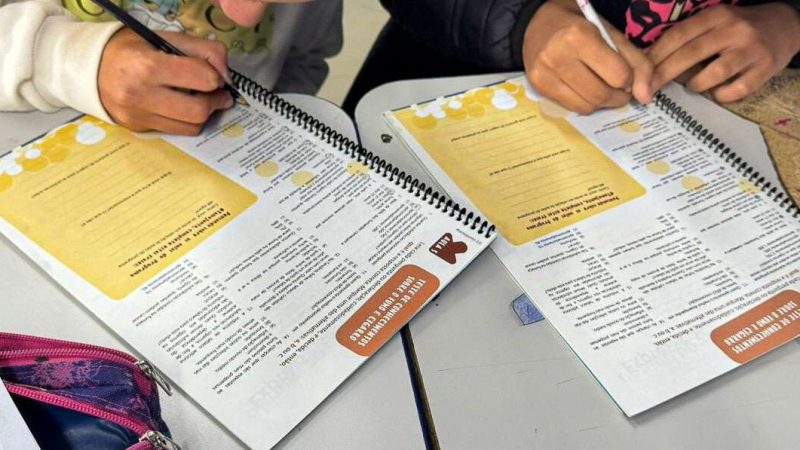
Researchers at the Federal University of São Paulo in Brazil found that cyberbullying is almost always an extension of existing physical and verbal aggression in schools.
OpenAI stated on Friday that it dismissed three researchers following an internal investigation into breaches of sensitive information policies.
Malaysian education authorities ordered school closures in Kuala Lumpur and several states on Friday because forest fires in Indonesia caused unhealthy air pollution levels.