Fungus Ampelomyces infects powdery mildew in new study
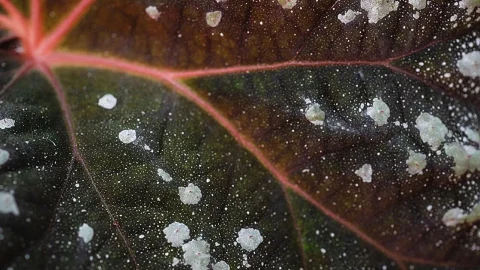
Researchers at North Carolina State University found that the hyperparasite fungus Ampelomyces is far more common than previously known after screening museum samples.
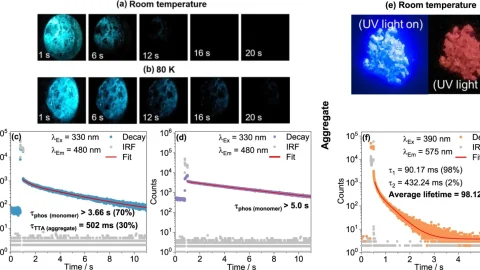
Scientists at Durham University published two papers in Nature Communications describing molecules that glow for over twelve seconds and exhibit unusual energy arrangements.
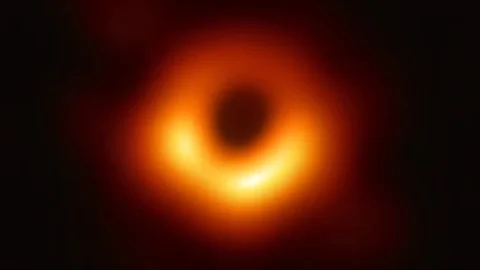
Using new machine learning methods, a four-person group from CSIRO in Australia independently confirmed the landmark 2019 image showing the black hole at the center of galaxy M87.
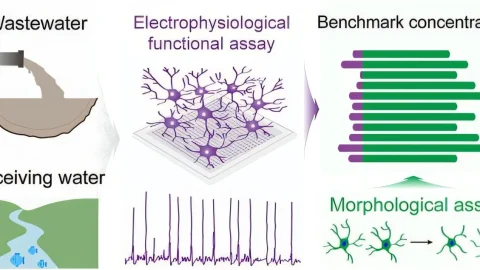
A study released on November 11, 2026, by researchers indicates that emerging technology detects neurotoxicity overlooked by standard water quality monitoring methods.
Scientists at Johannes Gutenberg University Mainz, the Max Planck Institute for Biophysics in Frankfurt am Main, and Wuhan University used fluorescent probes to measure protein dynamics inside nuclear pores of living human cells.
Researchers at the Institute of Science Tokyo published experimental evidence on Sept. 25, 2026, showing that clogging in superconducting vortices acts as a nonequilibrium phase transition.
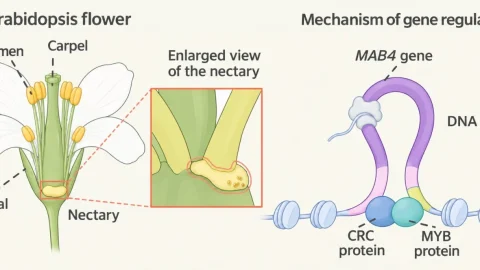
Researchers at Nara Institute of Science and Technology in Japan published findings on how CRC and MYB proteins create DNA loops to grow nectar organs in flowers.
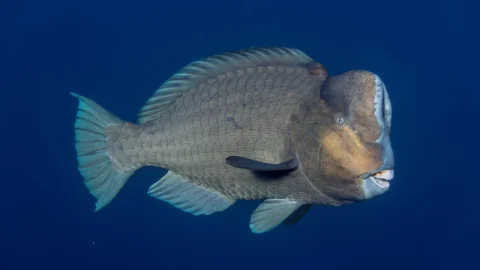
Scientists confirmed that Bikar and Bokak atolls in the Marshall Islands became the nation's first national marine sanctuary covering 48,000 square kilometers.
A new report states that human-caused climate change made the extreme weather across Spain and Portugal in 2025 three times more likely.
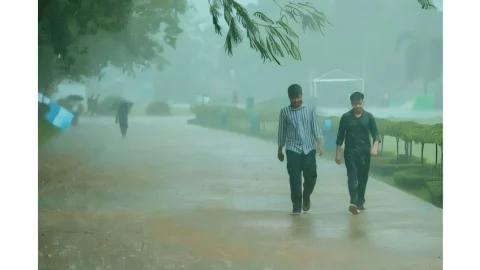
Researchers in Australia have identified and tracked moisture modes that contribute more to tropical rainfall than tropical cyclones.