Study shows audit office staffing structure improves outcomes
Researchers from the University at Buffalo School of Management published new findings on audit quality in Contemporary Accounting Research.
Researchers from the University at Buffalo School of Management published new findings on audit quality in Contemporary Accounting Research.
Astronomers used data from the Large Binocular Telescope to measure primordial helium levels and validate theories about the early universe.
Occupational therapy students at an unspecified location used escape rooms to practice making decisions with incomplete information.
Scientists at Istanbul Technical University published research in Physical Review D in 2025 proposing an alternative gravity theory that explains evolving dark energy.
Scientists explain how hurricanes form over warm water and why specific locations receive extreme rainfall amounts.
NASA launched twelve experimental capsules from the International Space Station to test next-generation heat shields for future moon and Mars missions.
A new study published in Ecology and Evolution reports that a native Fijian bee species has suffered a 99 percent effective population decline over the last 150 years.
Jules Pector-Lallemand published doctoral research on young adults dating habits in Montreal, Paris and New York.
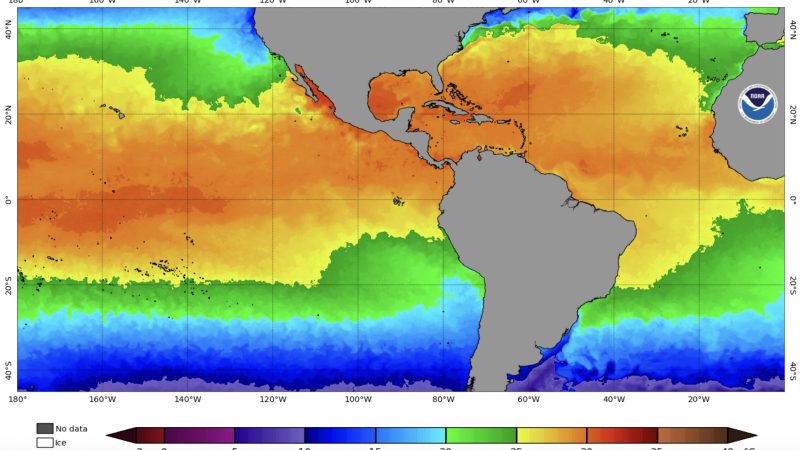
The EU Copernicus climate service reported that sea surface temperatures in a key Pacific zone reached a record high of 29.70C in September.
Millions of bogong moths are migrating to Australian caves this year following a dramatic population recovery.