Bacteria trigger master switch to breach body defenses
Researchers at Penn Dental Medicine discovered a new bacterial mechanism that breaches bodily barriers in Nature Communications.
Barrier proteins relocate quickly
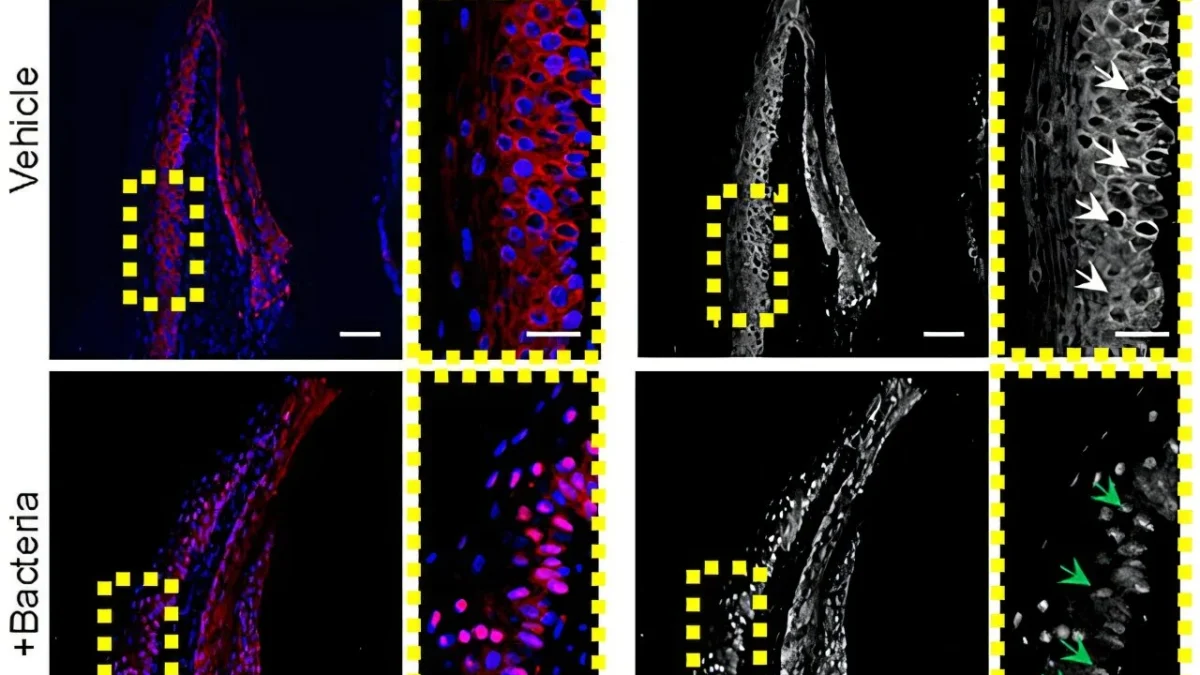
A team led by Dana T. Graves found bacteria move barrier proteins instead of destroying them. Within hours, E-cadherin and beta-catenin shifted from cell walls to the interior. This relocation weakens links between cells without chewing cellular glue. The study confirms this pathway operates outside previous scientific rules.
FOXO1 protein drives leakiness
Graves identified FOXO1 as a stress-sensing transcription factor that travels into the cell nucleus. Bacteria trigger this protein to initiate events moving barrier molecules away from membranes. The process causes rapid loss of barrier function after bacterial exposure. This mechanism explains how oral bacteria gain a systemic foothold in the body.
New treatments for disease
The findings could reshape approaches to serious diseases like heart disease and diabetes. Scientists previously thought enzymes or silenced genes broke down barriers alone. This third faster pathway offers new therapeutic opportunities for arthritis and cancer. The research involved partners from Georgetown University alongside Penn Dental Medicine.
Reported by one outlet
Only one outlet has published this. Nothing here has been checked against a second report, so read it as that outlet's account and follow the link below for the original.
Reported by
1 independent outlet. Headline as published. Links open the original report.