Kindergarten teachers provide cognitive help but lack emotional support during outdoor play
A study published in the International Journal of Innovation and Sustainable Development found that kindergarten teachers offer cognitive assistance during outdoor games but fail to meet children's emotional and social needs.
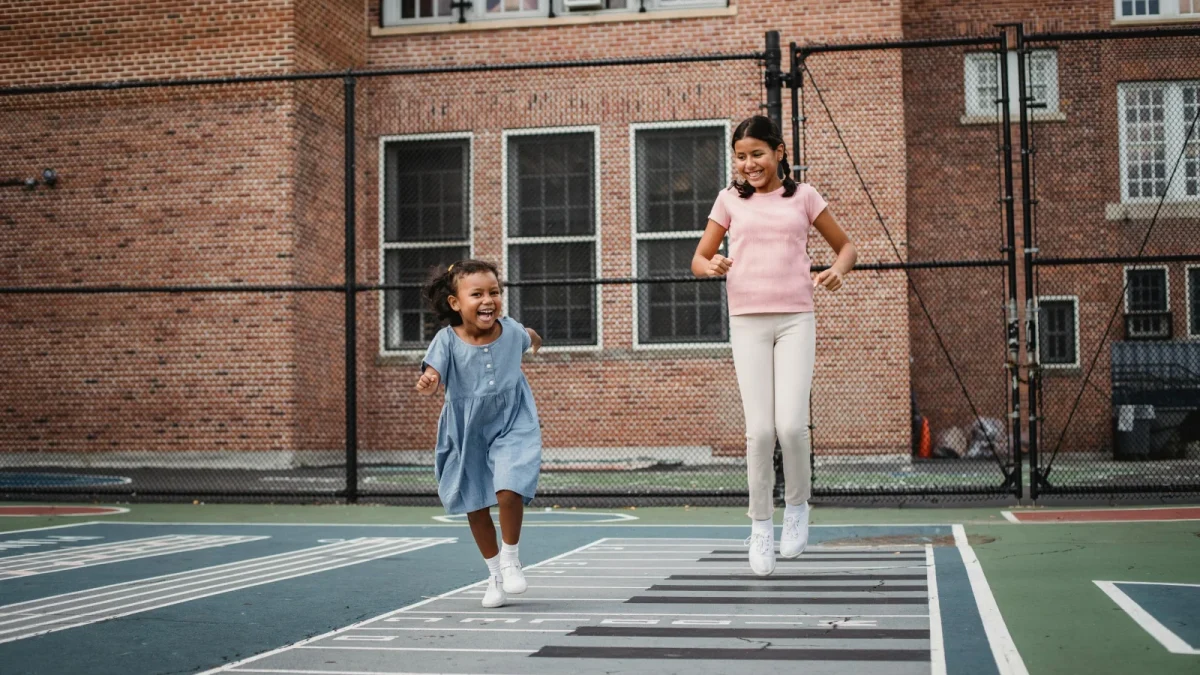
Teachers focus on practical help
Researchers observed educators interacting with students while children organized their own independent play sessions. The team collected direct observations and conducted interviews to analyze teacher behavior in these settings. Findings show cognitive support was the most obvious type of assistance provided by the staff. However, emotional and social support fell significantly short of what the children required during these activities.
Unpredictable nature complicates intervention
The study explains this mismatch partly because outdoor play is inherently unpredictable for educators. Educators need to determine the timing and manner of their intervention while preserving student independence in self-directed play. Four categories of support were identified including emotional social cognitive and instrumental assistance types. Instrumental help refers to practical resources while cognitive aid addresses learning opportunities directly.
Recommendations for better environments
Experts advise establishing nurturing settings to foster stronger engagement between educators and their pupils. They further state that kindergarten instructors must substantially enhance their observational abilities. To enhance learning chances and satisfy emotional needs, teachers must focus on students while they engage in independent play.
Reported by one outlet
Only one outlet has published this. Nothing here has been checked against a second report, so read it as that outlet's account and follow the link below for the original.
Reported by
1 independent outlet. Headline as published. Links open the original report.