Researchers decode spectral complexity in twisted semiconductor layers using new optical analysis
Scientists at the Research Center for Materials Nanoarchitectonics developed a method to analyze disorder in stacked ultrathin semiconductor layers.
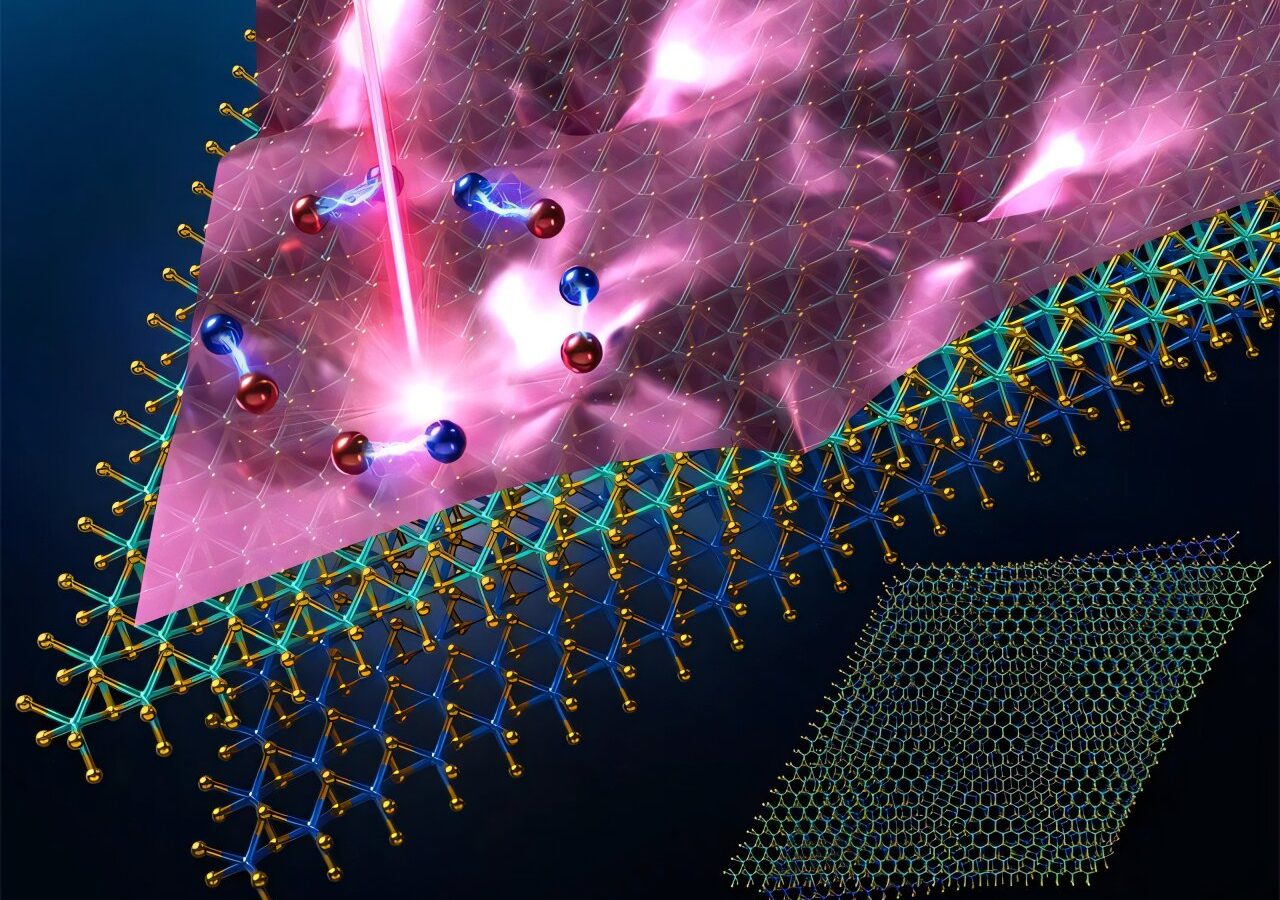
New approach examines spatial patterns
Katsunori Wakabayashi from MANA created a theoretical framework to explain complex photoluminescence spectra. His method looks at how peak energy and average energy change across a sample instead of decomposing peaks individually. This strategy addresses the difficulty of explaining overlapping emission origins in moiré heterostructures.
Study published in Physical Review
The research presents a new way to reveal hidden material disorder reflected in complex spectra. This development paves the path for future optical diagnostics of material disorder in two-dimensional semiconductors. The findings apply to light-emitting materials that feature unusual properties when stacked with a slight twist.
Reported by one outlet
Only one outlet has published this. Nothing here has been checked against a second report, so read it as that outlet's account and follow the link below for the original.
Reported by
1 independent outlet. Headline as published. Links open the original report.