Fused Deposition Modeling printers create objects by layering melted thermoplastic filaments
Independent outlets explain how Fused Deposition Modeling technology builds three-dimensional objects using heated nozzles and spools of filament.
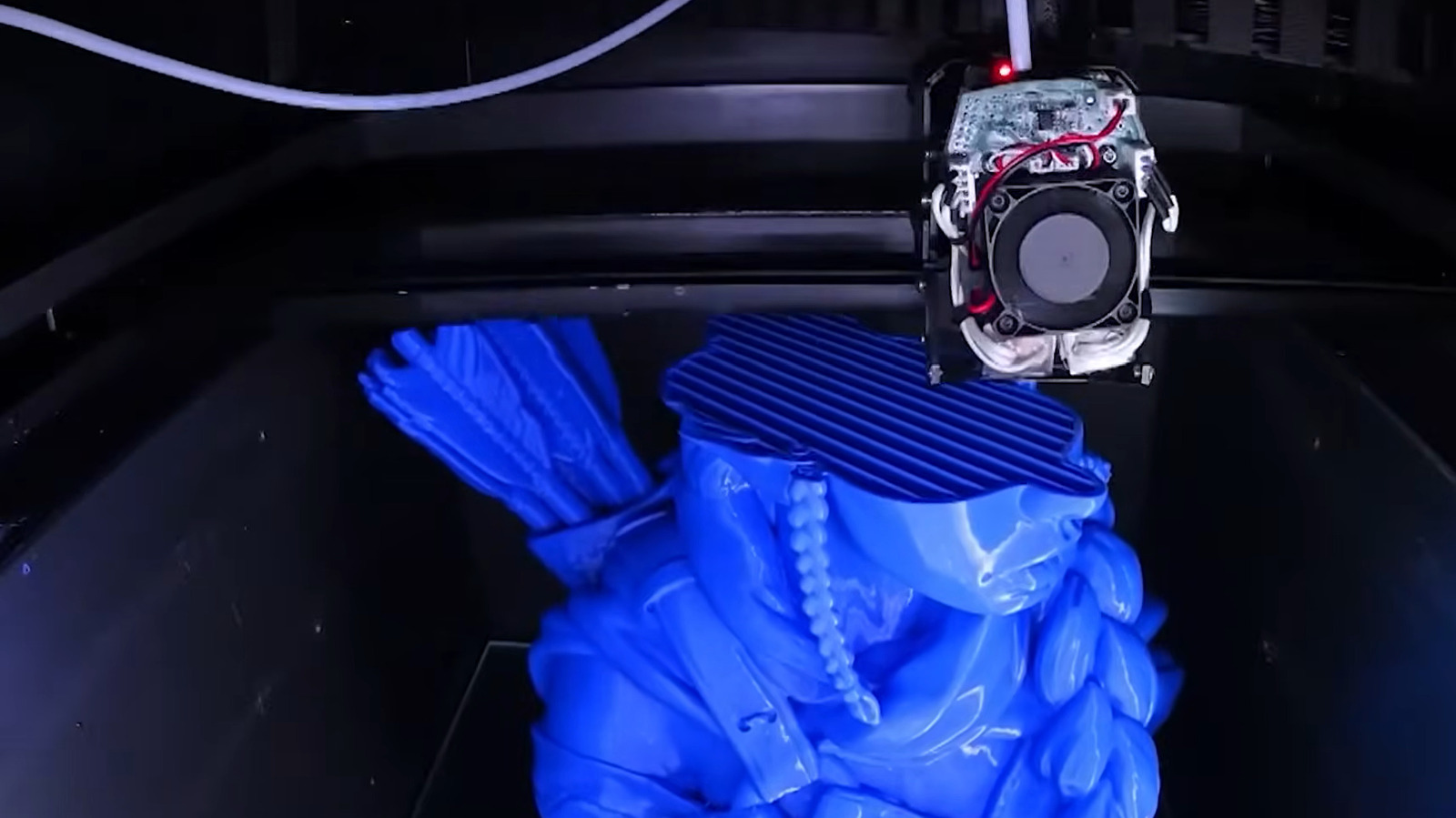
How the printing process works
FDM printers start with a computer-aided design file that translates into printer instructions. The machine funnels spools of filament through a heated nozzle to melt the material. It then lays this melted filament upon the build plate according to designated pathways.
Common materials used for printing
Polylactic acid is an inexpensive biodegradable polymer plastic often favored by beginners. Another popular option is PETG, a durable plastic frequently found in water bottles. These filaments allow the printer to fuse layers together until the object is complete.
Duration of the printing cycle
The process continues layer by layer for hours or even days depending on settings. Factors such as model size and complexity determine how long the print takes. Professionals and hobbyists use these machines to create items ranging from razor parts to entire homes.
Reported by one outlet
Only one outlet has published this. Nothing here has been checked against a second report, so read it as that outlet's account and follow the link below for the original.
Reported by
1 independent outlet. Headline as published. Links open the original report.