University of Delaware researchers find plant cells use hydrogen peroxide to signal wounds
Scientists at the University of Delaware discovered that tiny channels between plant cells send wound alerts via hydrogen peroxide bursts.
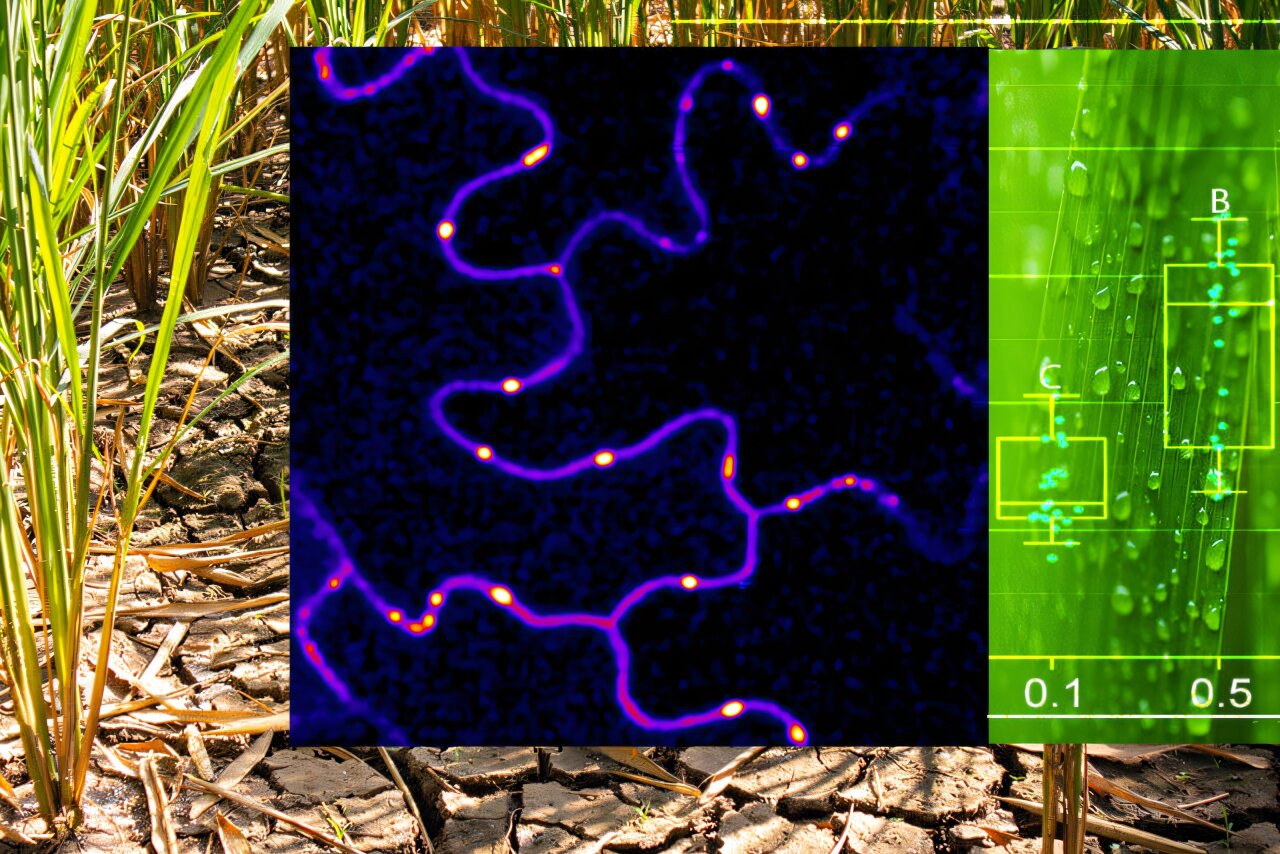
Hydrogen Peroxide Acts as a Messenger
Plants produce this molecular compound to act as a messenger during stress or attack. The substance helps immune systems build defenses against harmful bacteria and other pathogens without flooding the entire cell structure.
Nanopores Send Cell-to-Cell Alerts
Tiny nanopores called plasmodesmata transmit alert signals from one cell to another when damage occurs. This process generates a significant burst of hydrogen peroxide specifically at the site of injury.
Findings Could Aid Crop Engineering
Understanding how these channels manage biotic stressors like bacteria and fungi offers new pathways for development. Researchers hope this knowledge will lead to engineering crops that are more resilient to climate changes.
Reported by one outlet
Only one outlet has published this. Nothing here has been checked against a second report, so read it as that outlet's account and follow the link below for the original.
Reported by
1 independent outlet. Headline as published. Links open the original report.