Tokyo researchers create adjustable nanosensors that measure water pressure via fluorescence
Scientists at the Institute of Science Tokyo have developed a new nanovesicle platform that converts hydrostatic pressure into fluorescent signals to measure conditions in deep oceans and living tissues.
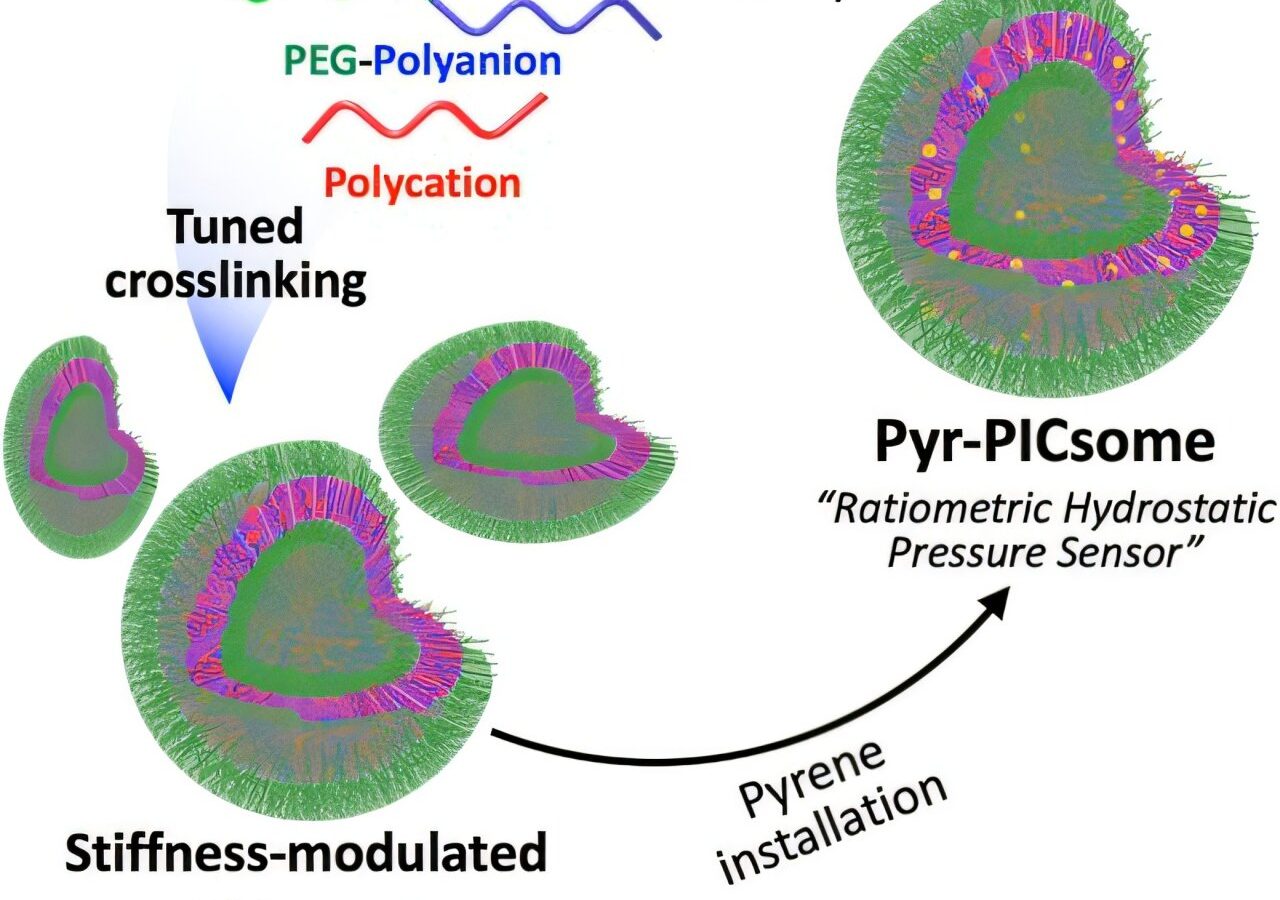
New sensor platform uses vesicles
The team created pyrene-modified polyionic complex vesicles designed to detect pressure-induced molecular changes. These structures transform the physical force of surrounding fluid into visible light signals for analysis.
Stiffness controls measurement sensitivity
Researchers found that softer vesicles provide strong sensitivity within a 0.1 to 50 MPa range. In contrast, stiffer versions show pressure-dependent changes in fluorescence lifetime instead of intensity.
Application in difficult environments
This technology allows investigation of hydrostatic pressure phenomena in places that are hard to reach. The study addresses existing limitations regarding water solubility and operational difficulties in biological settings.
Reported by one outlet
Only one outlet has published this. Nothing here has been checked against a second report, so read it as that outlet's account and follow the link below for the original.
Reported by
1 independent outlet. Headline as published. Links open the original report.