Study finds diet alone does not explain gut microbiome differences
Researchers from the Helmholtz Center for Infection Research and partners published findings in Nature Microbiology showing that food intake is not the sole driver of gut bacterial variations.
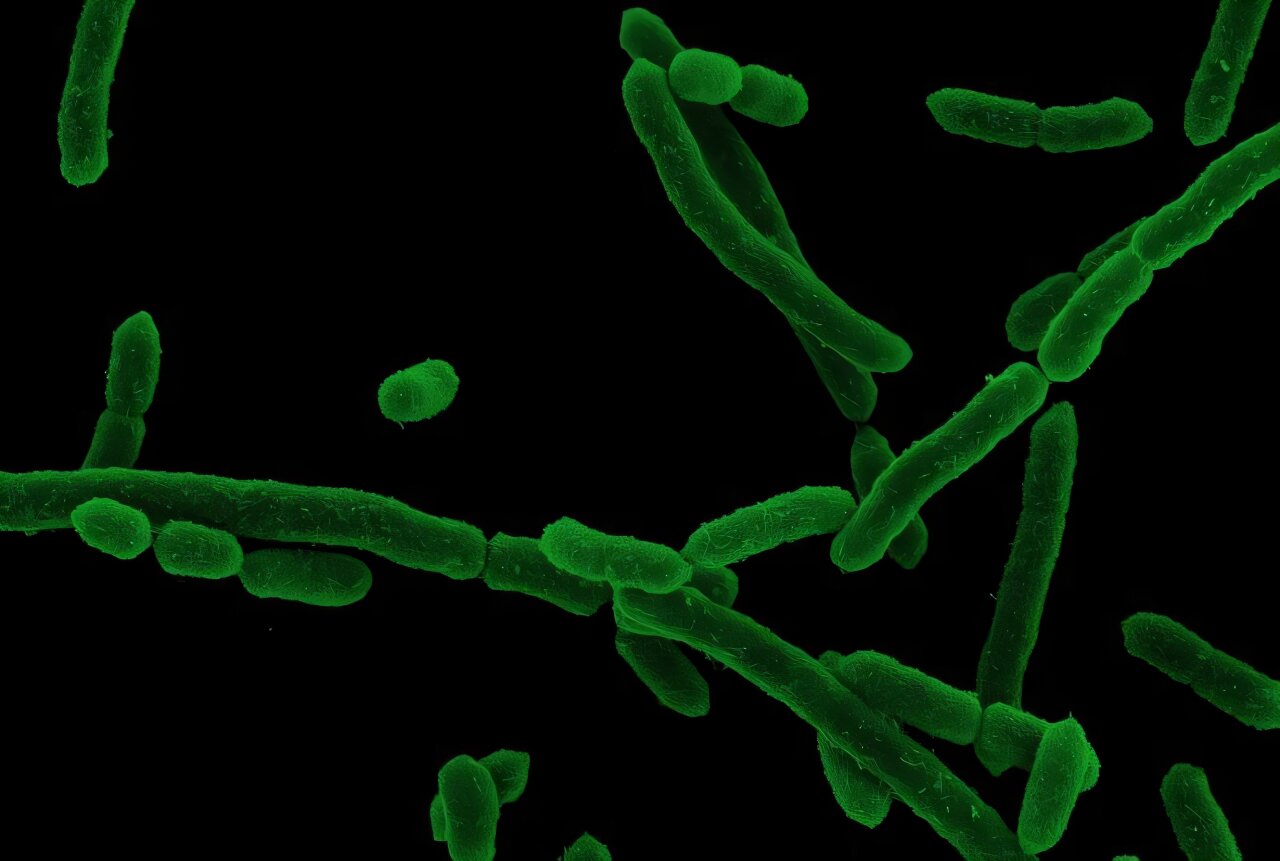
Artificial models test bacterial interactions
Scientists used artificially assembled gut communities to examine how various dietary components affect bacterial populations. The team investigated how specific foods influence competition between two widespread groups found in the human intestine. They focused on Bacteroidaceae, which are common in industrialized areas, and Prevotellaceae, a group that includes Segatella copri.
Plant fiber changes bacterial balance
The introduction of plant-based dietary fiber shifted the microbial environment to favor the presence of Segatella copri. This bacterium is particularly common in populations living in nonindustrialized regions around the world. However, the outcome also depended on which other bacteria were already present in the system.
Existing bacteria influence results
The composition of the gut microbiome relies on both diet and the interactions between existing bacteria. Professor Till Strowig led the research team that conducted these investigations using model systems. The study demonstrates that bacterial competition plays an important role alongside nutritional intake.
Reported by one outlet
Only one outlet has published this. Nothing here has been checked against a second report, so read it as that outlet's account and follow the link below for the original.
Reported by
1 independent outlet. Headline as published. Links open the original report.