Stanford researchers find brain signals predicting Alzheimer’s risk years early
Stanford scientists published a study on November 4 in Science Advances that reveals hidden brain activity patterns can predict Alzheimer's disease risk up to twelve years before symptoms appear.
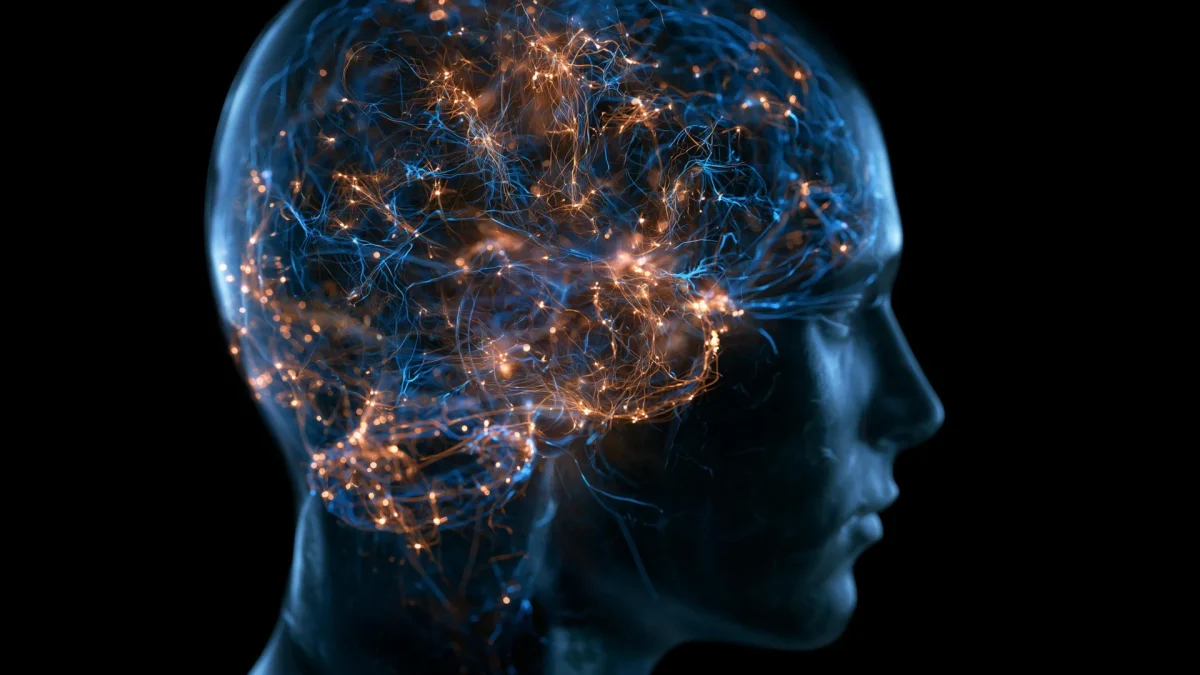
New scoring system detects decline
Scientists studied neural responses in people over 75 years old spanning both extremes of mental decline. In one cohort, participants suffered from Alzheimer's disease, whereas the other group comprised super agers with memory performance matching that of individuals many decades their junior. Researchers developed a scoring method to assess brain function in cognitively healthy individuals aged 55 to 70 by utilizing these variations. People whose patterns resembled Alzheimer's patients were more likely to experience cognitive decline and accumulate amyloid-beta plaques during follow-up periods extending up to 12 years.
Patterns beat traditional biomarkers
The fresh evaluation method forecasted upcoming mental deterioration better than multiple existing markers such as population traits and hereditary risks. Yu Zhang, an assistant professor of psychiatry and behavioral sciences with a PhD, observed that standard biomarkers such as amyloid-beta or tau appear only during later phases of the illness. According to the research, scientists have identified a promising method for spotting initial indicators of mental deterioration prior to the buildup of damaging proteins within the mind.
Future treatments target resilience
Zhang envisions a future where treatments could move someone's brain activity toward patterns associated with greater cognitive resilience. Options such as cognitive training and transcranial magnetic stimulation, a method employing magnetic pulses to affect brain activity, are possible approaches. Studies show that transcranial magnetic stimulation can alter brain function in patients receiving treatment for depression. These findings suggest targeted interventions might eventually be possible to change these hidden patterns of brain activity.
Reported by one outlet
Only one outlet has published this. Nothing here has been checked against a second report, so read it as that outlet's account and follow the link below for the original.
Reported by
1 independent outlet. Headline as published. Links open the original report.