Researchers find simple method to make biodiesel from coffee waste
Scientists at Universitat Rovira i Virgili report a new technique to convert used coffee grounds into fuel on November 14, 2026.
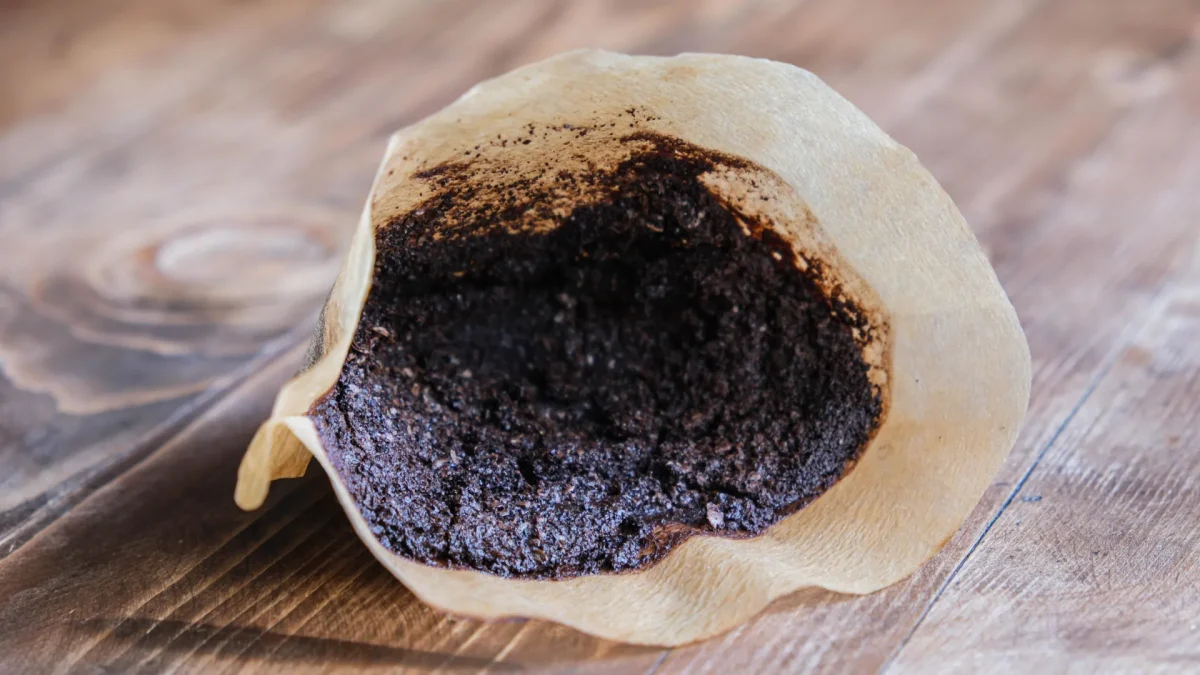
Optimal conditions for oil recovery
Researchers examined extraction temperature, processing duration, and solvent quantity to recover lipids from discarded grounds. They determined that heating the mixture to 45°C for 60 minutes yields the best results. Using a ratio of 35 milliliters of n-hexane per gram of dry residue maximizes output. This specific approach recovers approximately 90% as much oil as the standard Soxhlet laboratory method.
Cleaner oil with lower impurities
The optimized extraction process produced considerably cleaner oil compared to traditional techniques used previously. Chemical analysis showed just 0.3% impurities in the new yield versus 3.9% found using Soxhlet methods. Linoleic and palmitic acids make up the largest shares of the fatty acid composition. This consistent composition supports potential use as an ingredient for biodiesel production globally.
Value beyond just fuel
Scientists demonstrated that extracting fats does not destroy the remaining material needed for other applications. About 10 million metric tons of global coffee beans are produced each year, generating significant amounts of solid waste through discard. These leftover grounds contain roughly 15% lipids which serve as ingredients for renewable fuels. The findings were published in Biomass and Bioenergy to highlight this untapped potential.
Reported by one outlet
Only one outlet has published this. Nothing here has been checked against a second report, so read it as that outlet's account and follow the link below for the original.
Reported by
1 independent outlet. Headline as published. Links open the original report.