Researchers find Surinam toad fingertips have unique sensory structures
Scientists from the University of California discovered that the Surinam toad uses specialized fingertip clusters to detect prey in dark Amazon waters.
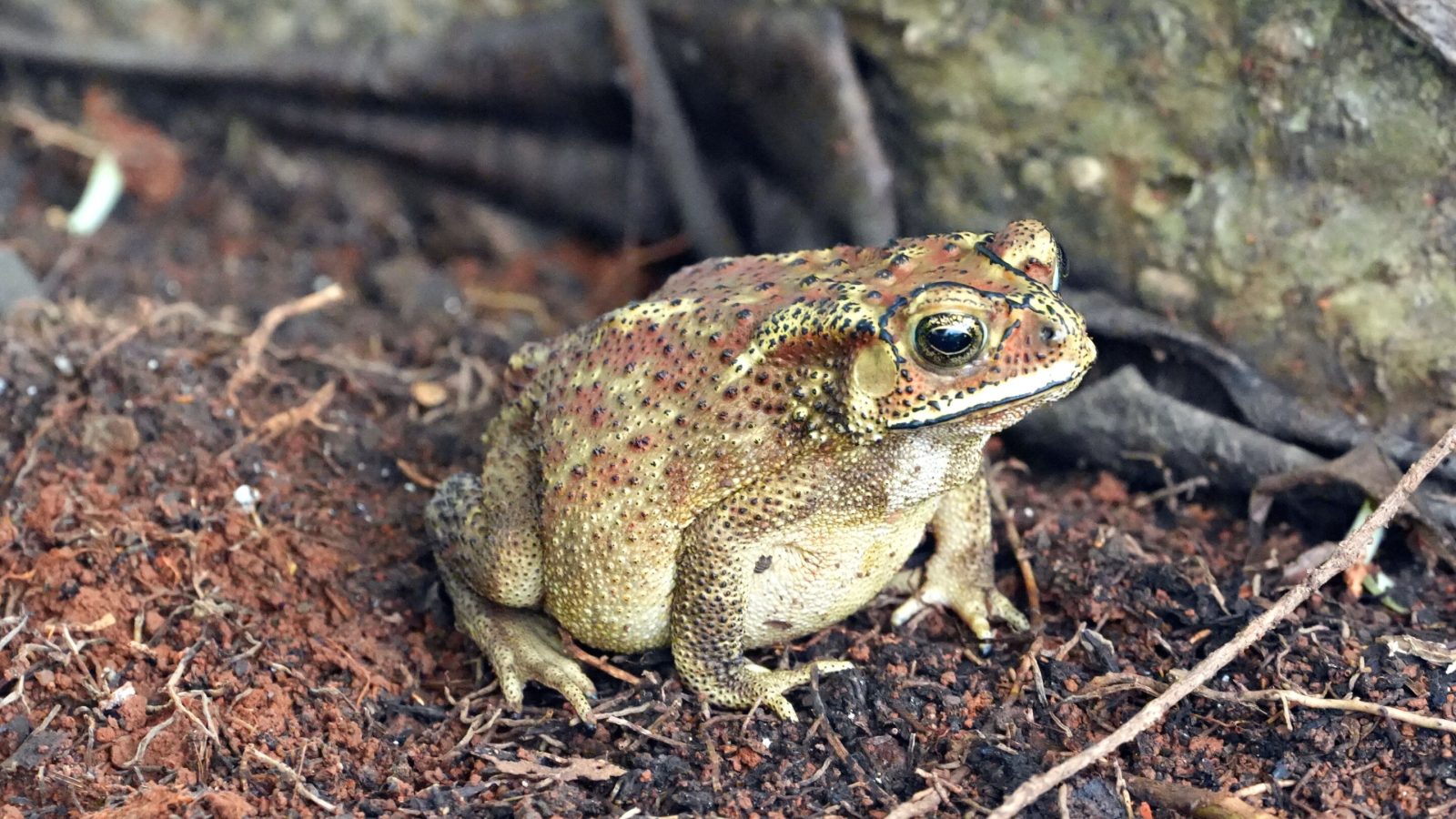
Specialized finger structures help hunting
Each finger on the frog ends with a group of sixteen small lobes. These structures create one hundred twenty eight tiny sensory units for touch. The animal uses these parts to feel water movements even without sight.
Prey detection works in darkness
The Surinam toad keeps its long front legs spread wide while waiting. It can sense a fish swimming nearby despite total lack of light. This ability allows the frog to suck prey into its mouth instantly.
Skin color aids camouflage
The species has brown and warty skin that matches murky environments. This appearance helps the amphibian hide from predators while it hunts. Biology shows many creatures use senses beyond the standard five types.
Reported by one outlet
Only one outlet has published this. Nothing here has been checked against a second report, so read it as that outlet's account and follow the link below for the original.
Reported by
1 independent outlet. Headline as published. Links open the original report.