Reduced mowing and herbicide use boost pollinators on rural roadsides near Ottawa
A study led by uOttawa researchers found that changing maintenance practices on rural roadsides around Ottawa increased pollinator numbers and species diversity.
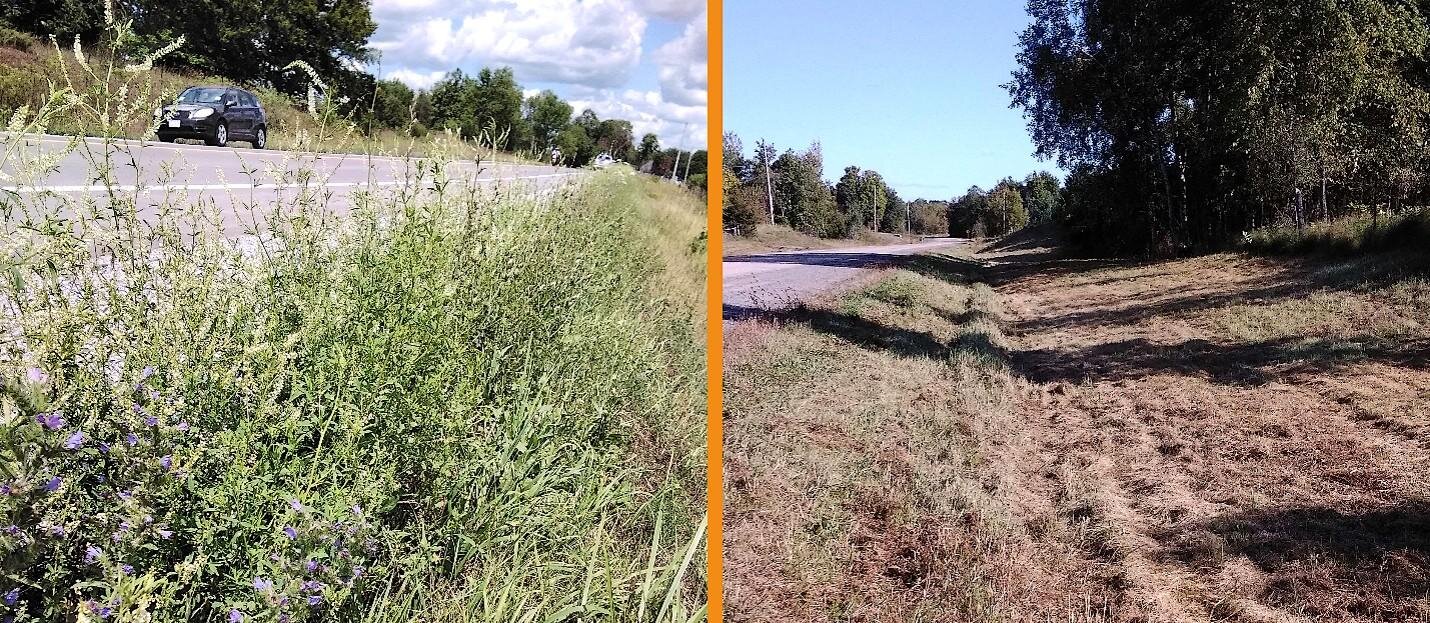
Comparison of local jurisdictions
Researchers compared roadside management in Lanark County with practices in Ottawa and Leeds & Grenville County. The team noted that Lanark mows twice annually while the other areas mow up to four times per year. Sites in Ottawa and Leeds & Grenville also use broader herbicide spraying compared to spot-treatment for invasive plants like wild parsnip.
Results from the study
The low-intensity management approach resulted in a 45 percent jump in total pollinator numbers. This method also produced a 23 percent increase in the number of species found along these routes. The sites managed with fewer interventions hosted far more bees and flower flies than conventionally maintained areas.
Significance of roadside land
Jessica Forrest explained that roadsides represent a huge amount of land across the country despite not being typical wildlife habitat. The study showed that modest changes to maintenance routines made a significant difference for insect populations. These findings suggest that simple adjustments can turn ordinary roadsides into better places for pollinators.
Reported by one outlet
Only one outlet has published this. Nothing here has been checked against a second report, so read it as that outlet's account and follow the link below for the original.
Reported by
1 independent outlet. Headline as published. Links open the original report.