New study shows Arabidopsis plants unlock soil iron with bacterial help
A research team led by Paul Schulze-Lefert at the Max Planck Institute in Cologne published findings on plant-bacteria iron acquisition in Cell.
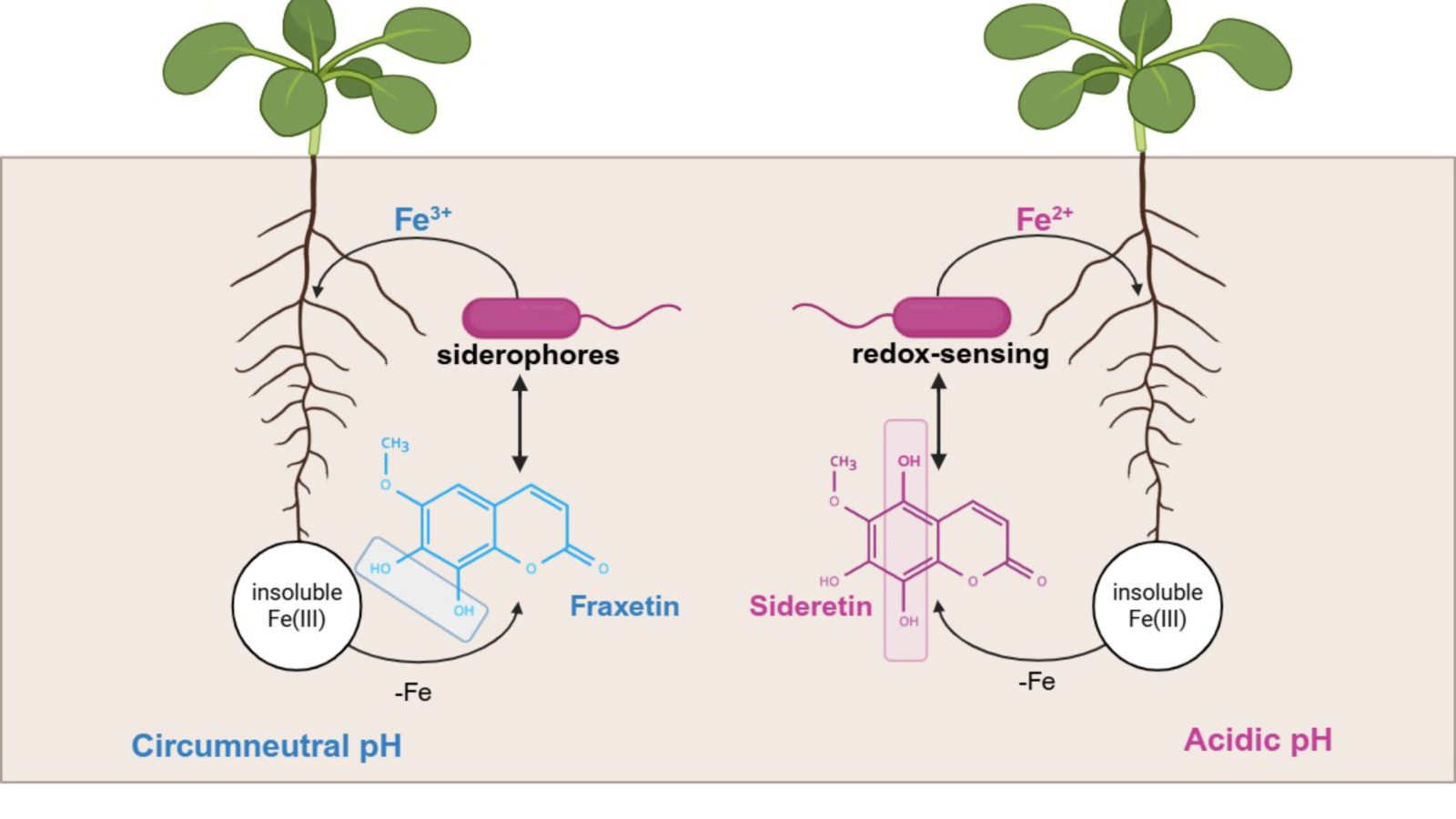
Plants release chemicals to signal microbes
Arabidopsis thaliana releases specific molecules called coumarins into the soil zone around its roots. This action occurs when the plant faces a shortage of usable iron in the ground. The released compounds serve as signals that change how nearby bacteria behave.
Bacteria unlock trapped iron for roots
The bacterial community responds to these chemical signals by making iron available to the plant. This partnership allows roots to absorb nutrients that would otherwise remain locked in the dirt. The process works effectively in both acidic and alkaline soil conditions.
Findings apply to global food systems
Understanding this mechanism helps explain how crops sustain growth in various environments worldwide. Healthy plants rely on these hidden interactions to access essential micronutrients for development. The research highlights the importance of soil microbes for agricultural productivity.
Reported by one outlet
Only one outlet has published this. Nothing here has been checked against a second report, so read it as that outlet's account and follow the link below for the original.
Reported by
1 independent outlet. Headline as published. Links open the original report.