New saber-toothed predator found in Argentina suggests lineage survived longer than believed
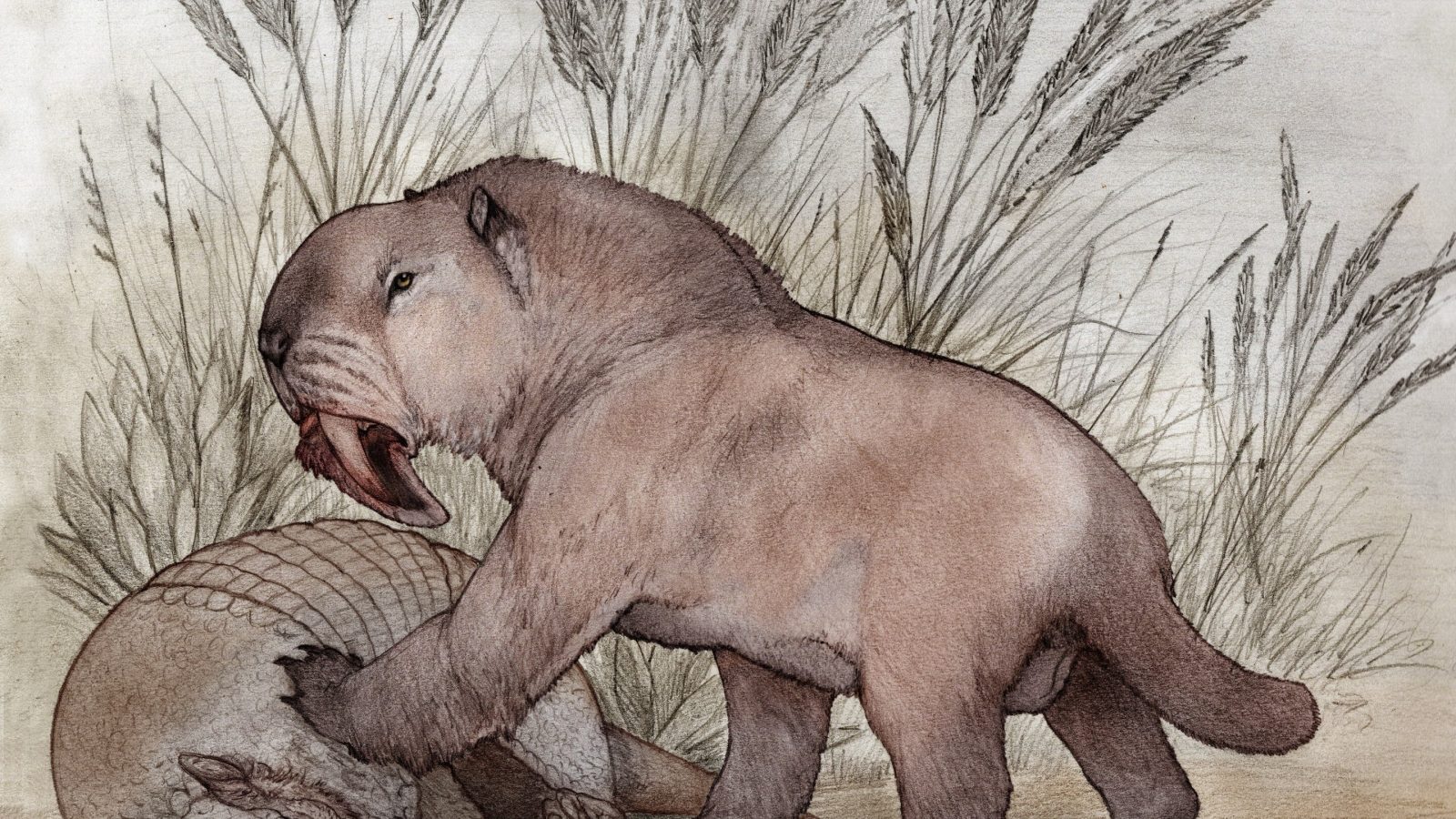
Paleontologists in Buenos Aires identified a new species of ancient predator from fossils found on Argentine pampas cliffs in October 2026.
Fossil discovery challenges extinction timeline
Members of a local museum discovered fragments of an ancient fossil at the end of the Pliocene or early Pleistocene epoch. The bones belonged to a large predator that did not fit previously known groups of saber-toothed marsupial relatives. Researchers determined these remains represent a new species called Pampaluctor calibar.
Study published in scientific journal
Eric del Campo from the Argentine Museum of Natural Sciences led the team that analyzed the specimens closely. The study appears in the Alcheringa: An Australasian Journal of Palaeontology and confirms the animal lived after its group was thought to disappear. This finding indicates native South American animals interacted with northern newcomers longer than history suggested.
Reported by one outlet
Only one outlet has published this. Nothing here has been checked against a second report, so read it as that outlet's account and follow the link below for the original.
Reported by
1 independent outlet. Headline as published. Links open the original report.