New method improves satellite-based aerosol simulations for weather forecasts
Researchers published a new computational technique in the Journal of Advances in Modeling Earth Systems to better simulate atmospheric aerosols using raw satellite data.
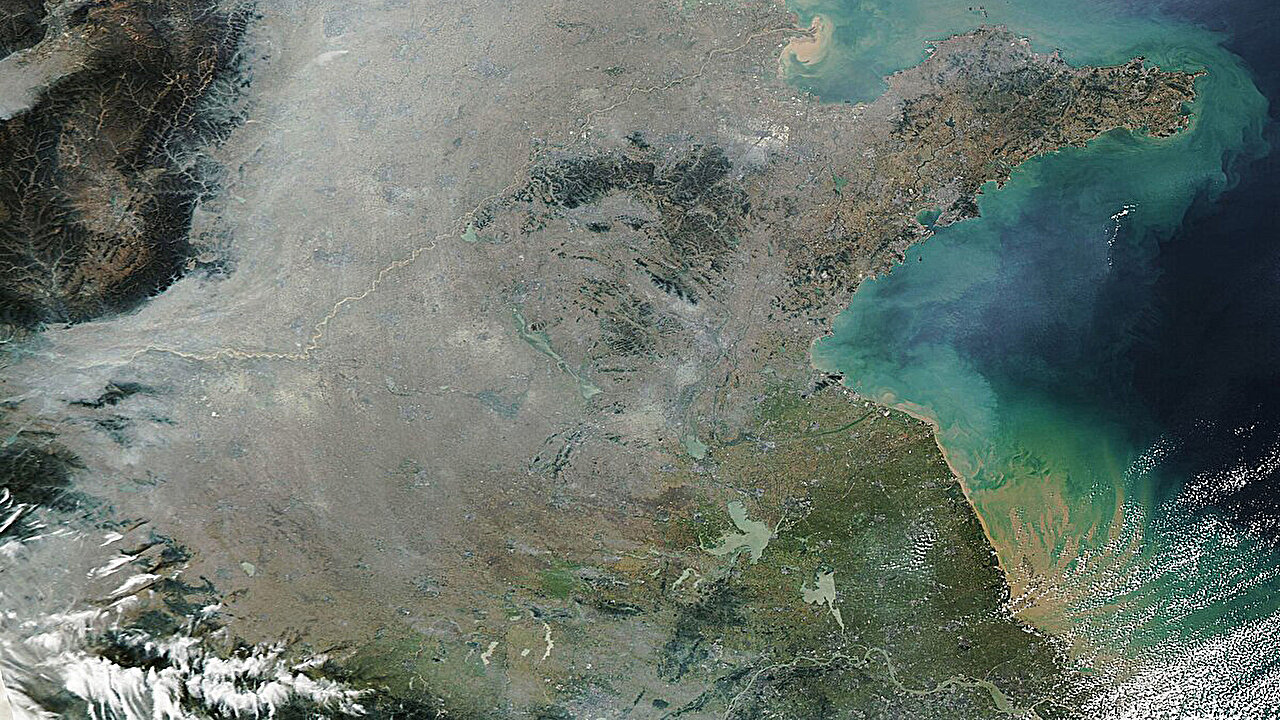
Complexity of atmospheric particles
Aerosols include wildfire smoke, pollen, dust, and industrial emissions that travel across continents. These particles influence visibility, human health, and climate by reflecting sunlight or forming clouds. Their varied properties make simulating their movement difficult for current weather models.
Direct use of satellite data
Scientists previously struggled to incorporate raw visible and infrared observations directly into simulations. The new approach allows these specific satellite measurements to be used without excessive computation. This change aims to reduce uncertainty in forecasting weather and climate patterns.
Publication details and scope
The team led by Zhang presented this efficient method in a recent paper. The study focuses on integrating radiance data directly into aerosol distribution models. Improving these simulations helps address the wide-ranging effects of particles on global weather.
Reported by one outlet
Only one outlet has published this. Nothing here has been checked against a second report, so read it as that outlet's account and follow the link below for the original.
Reported by
1 independent outlet. Headline as published. Links open the original report.