New method improves label-free detection of rare particles beyond sensor surfaces
Researchers have developed a new sensing technique that allows label-free particle detection to work outside the tiny sensing area of standard optical devices.
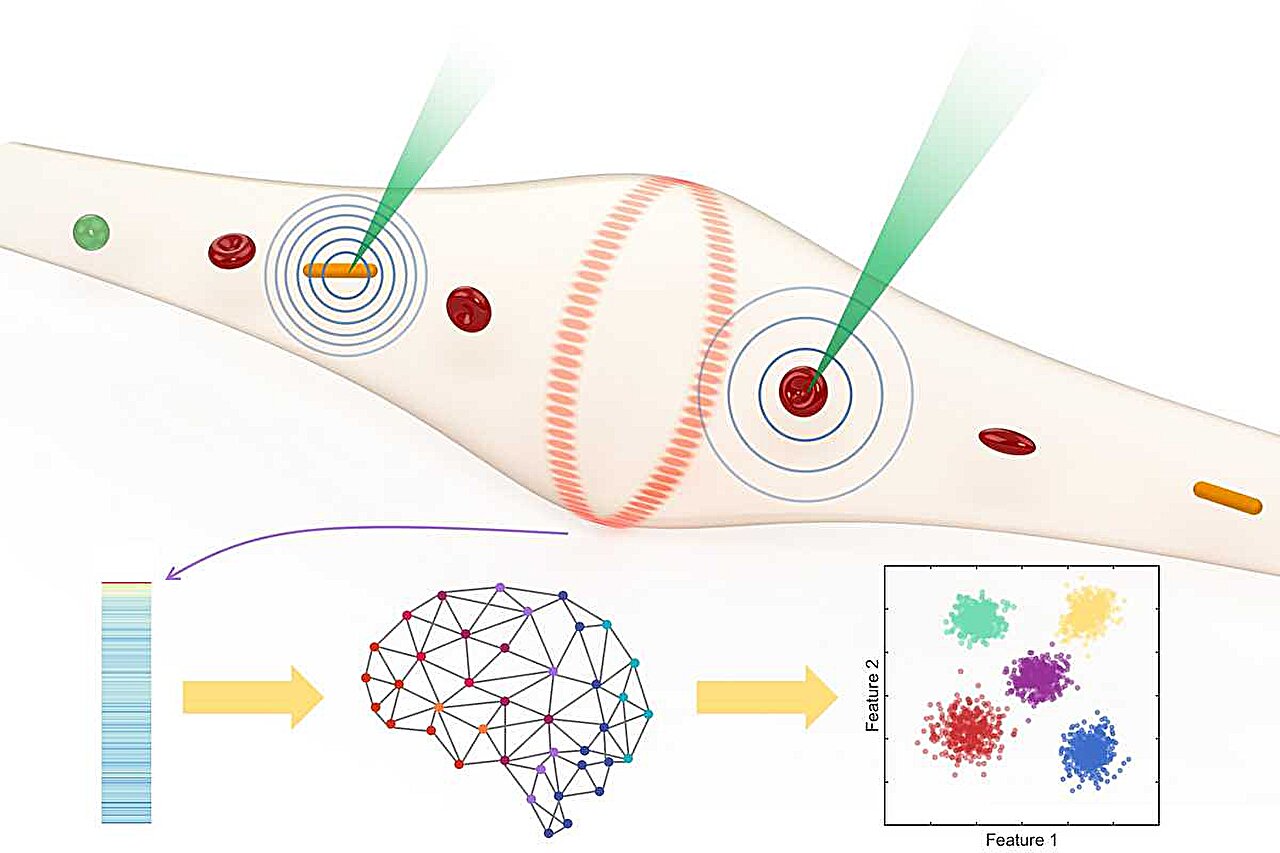
Limitations of current optical sensors
Most existing label-free optical sensors function only when targets pass extremely close to or bind to a small sensing area. At low concentrations, many particles miss this spot entirely, and their signals can be drowned out by background noise. This limitation applies to whispering-gallery-mode resonators, which are among the most sensitive optical sensors ever developed but still rely on a confined sensing region.
New approach expands detection range
The new method overcomes the constraint that targets must hit a specific spot on the device to be detected. This advancement addresses the growing demand for ultrasensitive, robust sensors capable of handling real-world samples without fluorescent tags. By expanding the effective sensing area, the technology improves efficiency for finding rare targets like circulating tumor cells in blood.
Reported by one outlet
Only one outlet has published this. Nothing here has been checked against a second report, so read it as that outlet's account and follow the link below for the original.
Reported by
1 independent outlet. Headline as published. Links open the original report.