GRAPES-3 telescope detects cosmic rays to study thunderstorm electric fields
A research team using the GRAPES-3 muon telescope explains why the instrument detected more thunderstorm events in its eastern field of view.
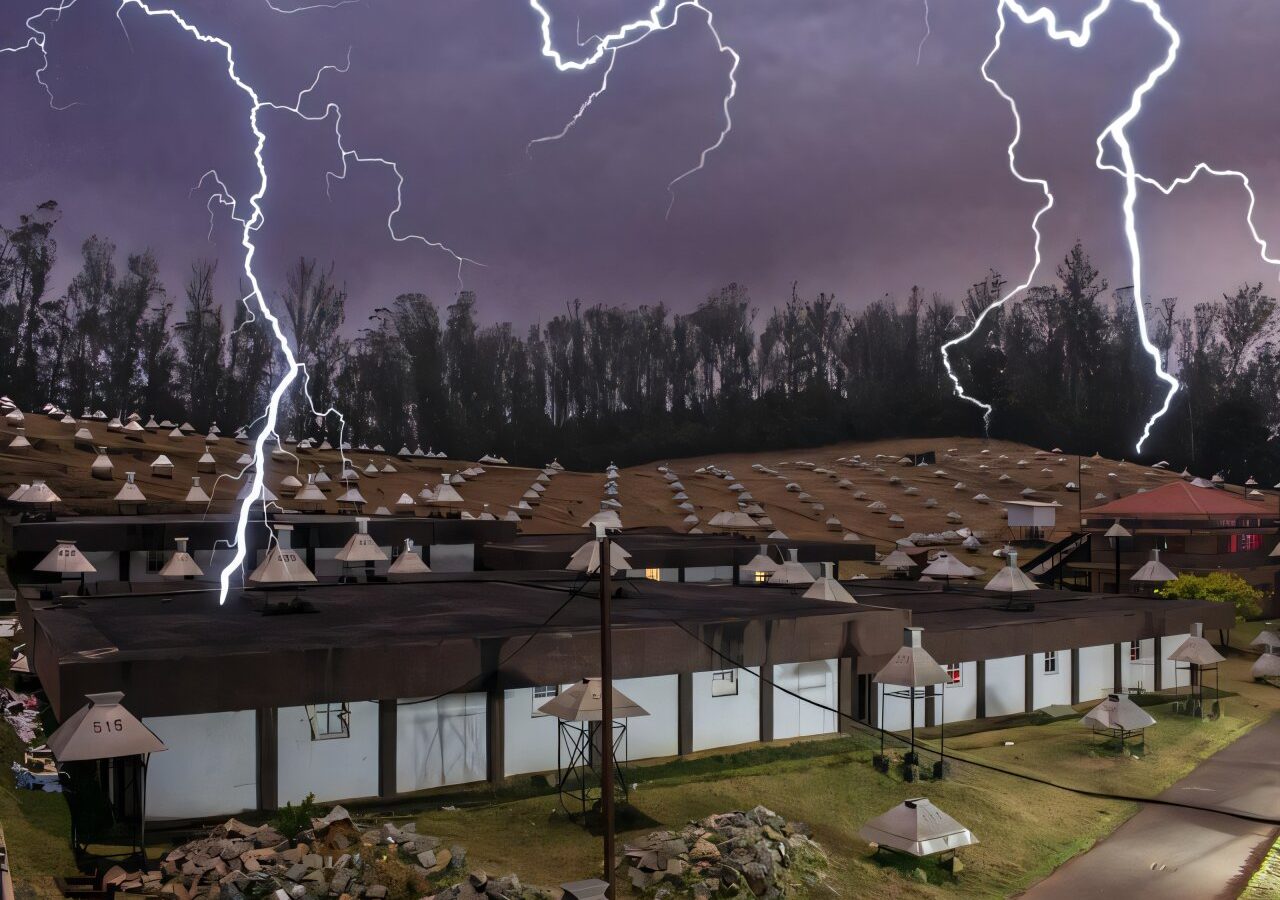
Instrument sensitivity varies by direction
The new study published in the Journal of Cosmology and Astroparticle Physics clarifies the source of the detection imbalance. Earth's magnetic field deflects incoming charged particles, which alters how the telescope sees storms from different angles. This effect makes the device more sensitive to lightning activity coming from specific directions rather than indicating a real geographic difference.
Thunderstorm potential exceeds previous records
Earlier observations showed that thunderclouds can create electrical potential differences far greater than any directly measured value. The instrument identified many more storm events on the eastern side of its view compared to the western side. Researchers conclude that cosmic-ray particles serve as a natural probe for investigating electricity inside these powerful storms.
Reported by one outlet
Only one outlet has published this. Nothing here has been checked against a second report, so read it as that outlet's account and follow the link below for the original.
Reported by
1 independent outlet. Headline as published. Links open the original report.