Ecologist Paul Berghuis finds fixed patterns in young dune landscapes
Utrecht University ecologist Paul Berghuis published research showing that marram grass and sand form organized patterns rather than random arrangements in coastal dunes.
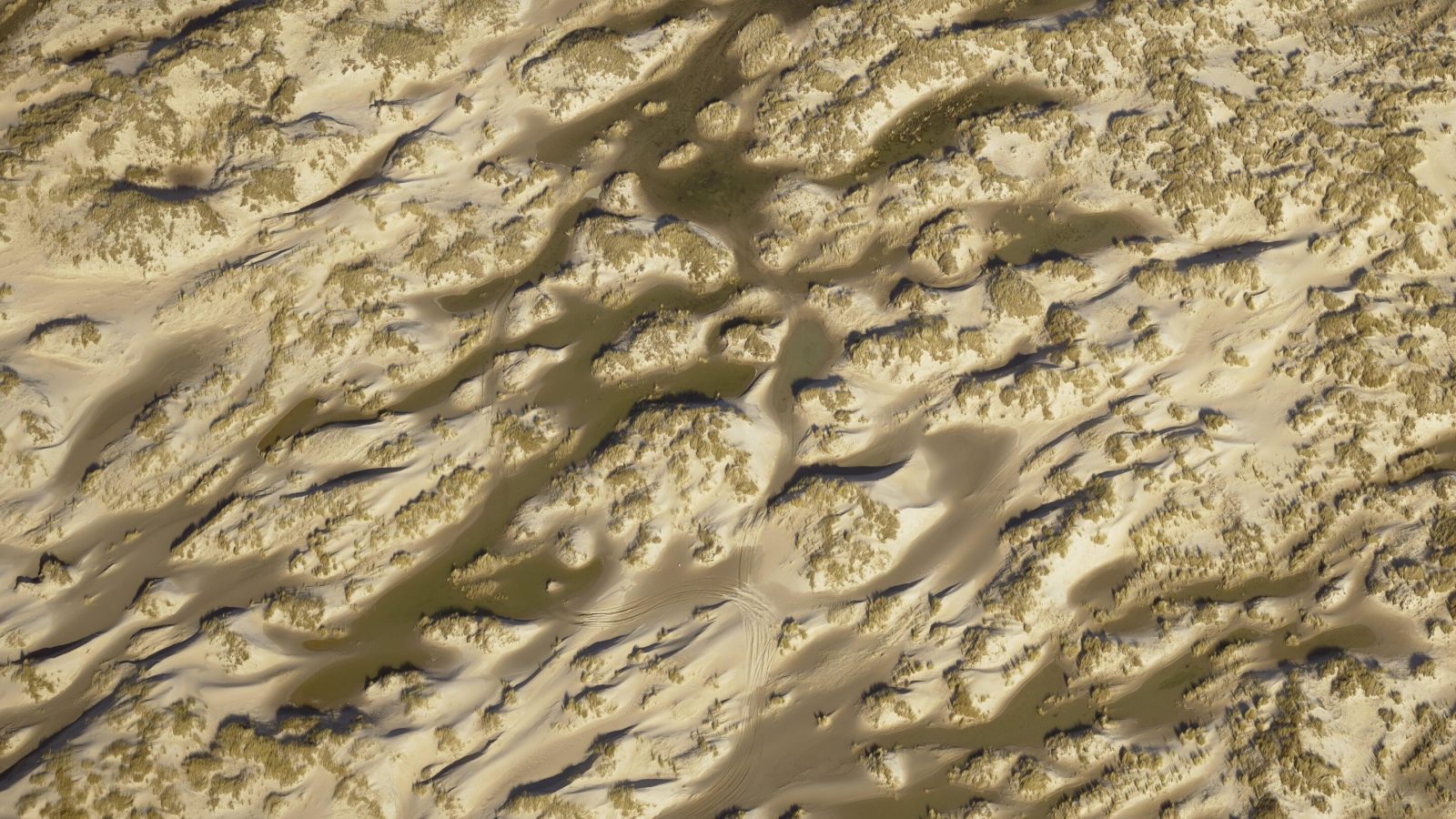
Research examines aerial photographs over time
Berghuis analyzed aerial images to track how vegetation interacts with shifting sand. He found that individual plants do not grow randomly within these young systems. The study reveals a specific structure governing the entire landscape instead of chaos.
Marram grass drives dune formation processes
Scientists have long recognized the importance of marram grass in building coastal barriers. This new work expands that knowledge to cover larger scales of interaction. The findings suggest natural processes organize themselves into predictable configurations without human intervention.
Study published in PNAS journal
The results appear in the Proceedings of the National Academy of Sciences. Researchers believe understanding these patterns helps build more resilient defenses against rising seas. Spatial ecology experts now have a clearer view of how organisms shape their environment.
Reported by one outlet
Only one outlet has published this. Nothing here has been checked against a second report, so read it as that outlet's account and follow the link below for the original.
Reported by
1 independent outlet. Headline as published. Links open the original report.