BRICS Is Building a World Where the West Has Less Control
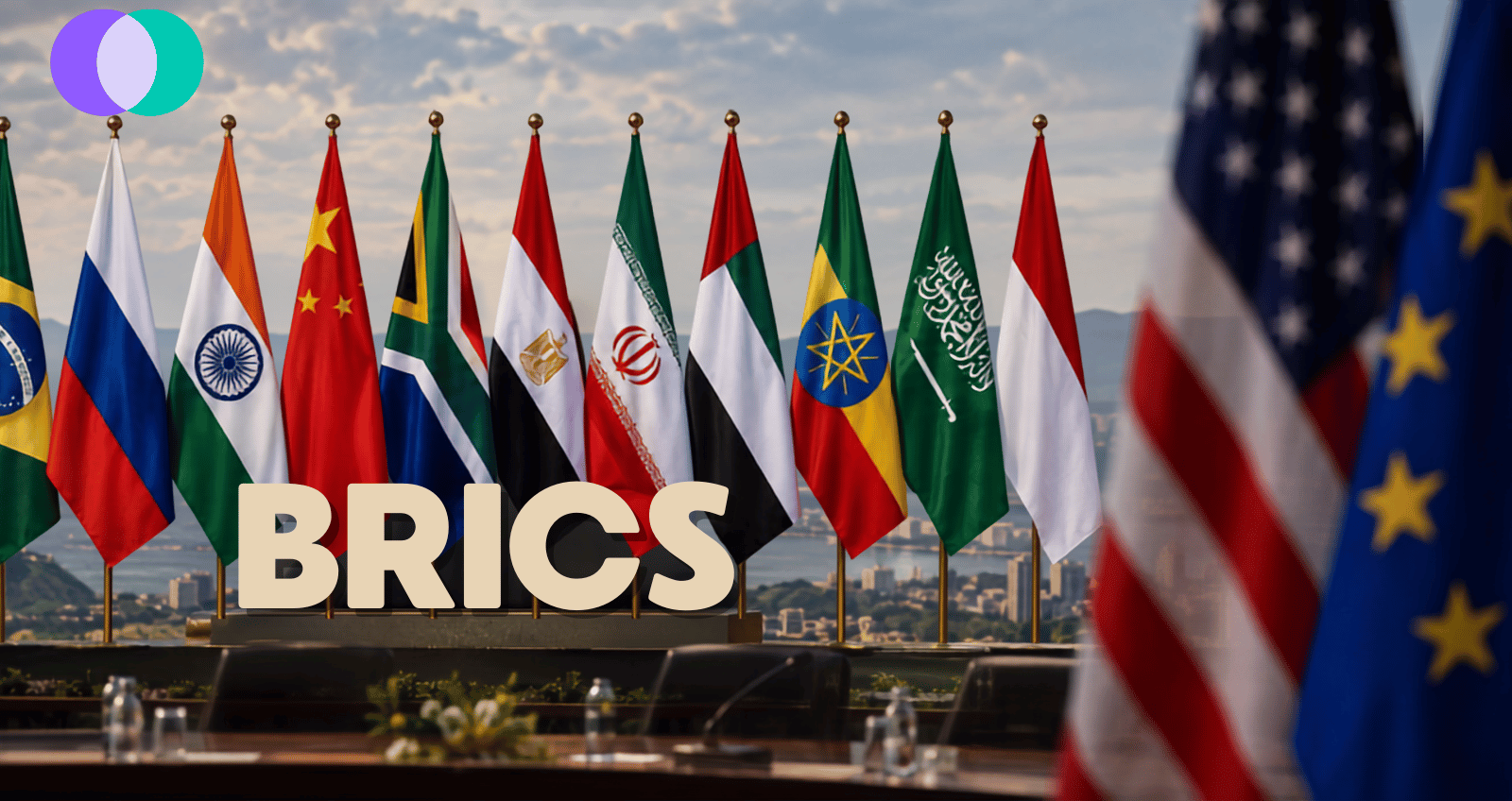
BRICS is no longer an idea confined to economists and foreign-policy circles. It is becoming one of the clearest signs that the global balance of power is changing.
The grouping now brings together 11 countries across Asia, Africa, the Middle East and Latin America, with another group of partner countries alongside them. Its members include some of the world’s largest economies, most populous nations and major energy producers.
Yet BRICS is still moving too cautiously.
The New Delhi summit this week showed both the bloc’s potential and its limitations. Members agreed on a joint declaration calling for restraint in the Middle East, despite Iran and the United Arab Emirates being on opposite sides of the conflict. They also discussed deeper cooperation in trade, finance, payments and technology. China proposed further initiatives under what President Xi Jinping called “Greater BRICS”, including cooperation on artificial intelligence and services.
This is precisely the direction BRICS should take and it should move much faster.
The objective should not be to create an anti-Western alliance. Nor should BRICS pretend that the dollar, Western financial institutions or the existing global order can simply be replaced overnight.
The opportunity is more practical and, ultimately, more powerful: give countries more choices.
For decades, much of the world’s trade, finance and international decision-making has operated through institutions in which Western countries have enjoyed disproportionate influence. That system has produced enormous benefits, but the global economy has changed. Emerging economies now account for a much larger share of global growth, trade and investment.
Their influence should reflect that reality.
BRICS can help make that happen by building systems that its members and partners can actually use: faster cross-border payments, greater use of national currencies, development financing, technology partnerships, easier trade and investment, and stronger cooperation in areas such as artificial intelligence.
The bloc should also open its doors wider.
More countries across Africa, Asia, the Middle East and Latin America are looking for greater representation in global affairs. BRICS should give them a clear and credible path to membership or deeper partnership.
Expansion alone, however, is not enough. A larger BRICS will only matter if it becomes more effective.
That means establishing clearer rules, improving decision-making and creating institutions capable of delivering results between annual summits. The New Development Bank is an example of what can happen when BRICS cooperation moves beyond political declarations. The next generation of institutions should be equally practical.
Critics will point to the differences among members and those differences are real. China and India remain competitors. Iran and the UAE have sharply conflicting interests. Brazil has its own foreign-policy priorities. Russia has a fundamentally different relationship with the West from many other members.
But expecting BRICS members to agree on everything misses the point.
The European Union did not emerge because its members had identical interests. International institutions become powerful by creating mechanisms through which countries with different interests can still cooperate.
BRICS should do the same.
Its diversity should be a reason to build stronger institutions, not an excuse for moving slowly.
The group also does not need to defeat the West. A stronger BRICS can coexist with strong relationships between its members and the United States, Europe and other Western economies. A more multipolar system does not have to mean a more hostile one.
It can mean a system in which more countries have a meaningful choice over where they trade, how they finance development and which institutions represent their interests.
That is why the next phase of BRICS matters.
The bloc has population, resources, markets and economic weight. What it has lacked is the institutional ambition to match them.
The New Delhi summit suggests that ambition is beginning to emerge.
BRICS should now accelerate it, expand responsibly, unify where possible and turn political cooperation into practical economic institutions.
The world is already becoming more multipolar.
BRICS’ task is to make sure that change produces a more balanced international system rather than simply replacing one concentration of power with another.
The West will remain an essential part of the global economy.
But it should no longer be the only part with the power to shape its direction.