NASA Roman Space Telescope has fuel for 22 years of science
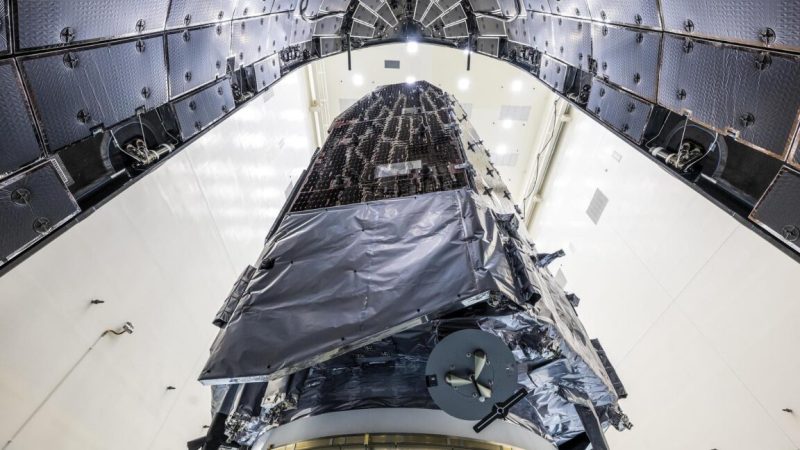
NASA confirmed Monday that the Roman Space Telescope launched from Florida in August carries enough propellant for 22 years of operations.
NASA confirmed Monday that the Roman Space Telescope launched from Florida in August carries enough propellant for 22 years of operations.
The Greyhound Board of Great Britain released its 2025 welfare statistics for the sport in Britain.
Researchers from NSF NCAR, Emory University, and UNC Chapel Hill released the HUMID-Atlanta dataset to help officials quantify urban heat impacts.
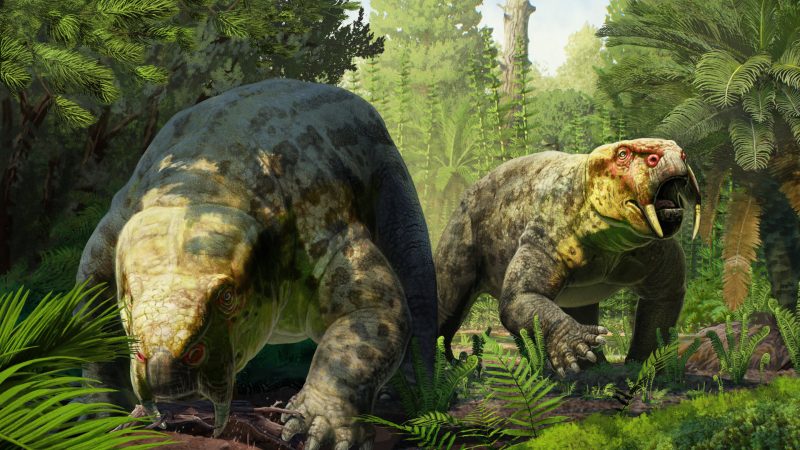
Researchers led by the University of Bristol have described a new 240-million-year-old prehistoric animal from Tanzania that could refine the timeline of early dinosaur origins.
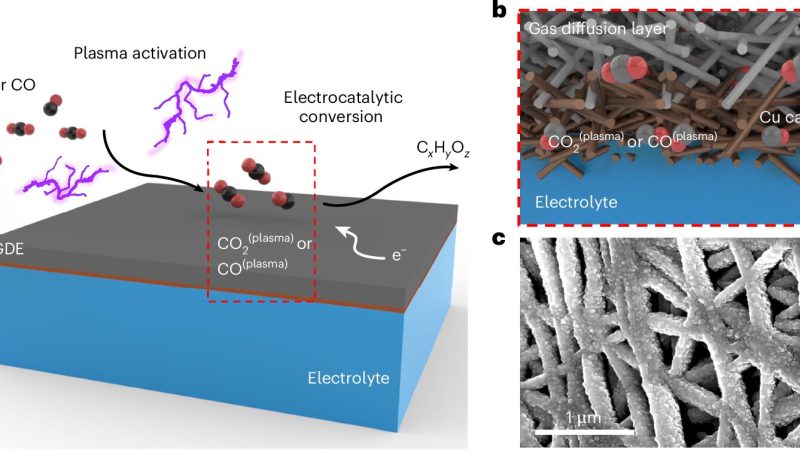
Yale University scientists published findings in Nature Catalysis on how they used plasma and electrocatalysis to convert carbon dioxide into methanol, butane and other chemicals.
An analysis of global data from 1985 to 2020 shows short-term temperature predictions are significantly more accurate in high-income countries than in low-income ones.
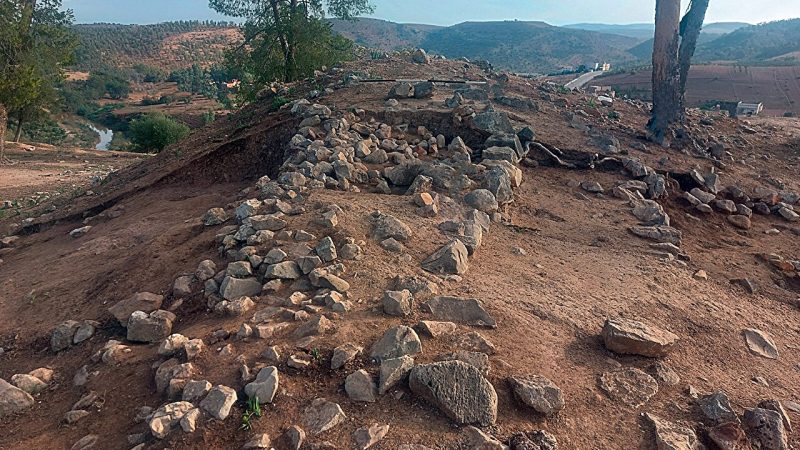
Archaeologists uncovered a large ancient wall at the Oued Beht site in northwestern Morocco during excavations in 2023.
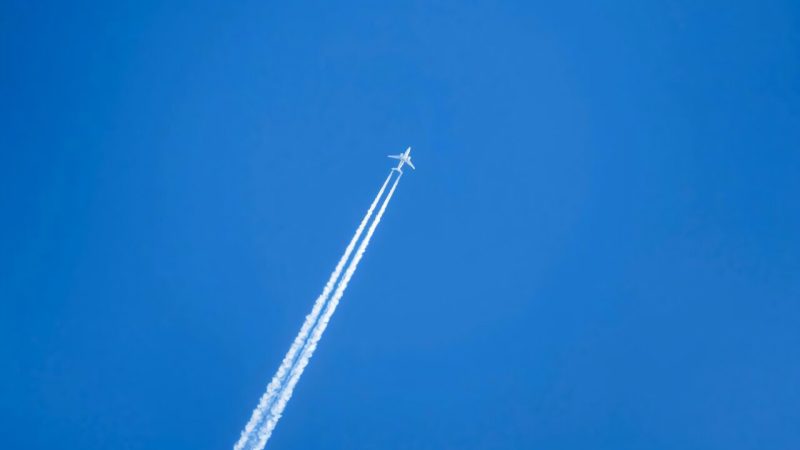
Researchers worldwide are divided over whether to proceed with outdoor experiments for artificial sun dimming known as solar geoengineering.
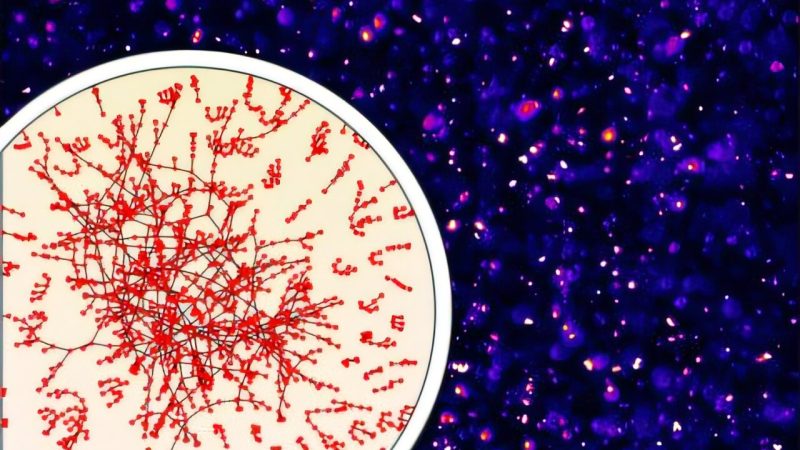
Scientists at Whitehead Institute report that evolution shapes mRNA sequences to stop unwanted aggregation in crowded cellular spaces.
NASA's James Webb Space Telescope has released a new image showing star formation and brown dwarfs in the IC 348 region of the constellation Perseus.