Bionic Reading bolding changes eye focus but does not speed up reading for adults
Scientists at University College London tested Bionic Reading on 90 skilled adult readers in September 2026.
Scientists at University College London tested Bionic Reading on 90 skilled adult readers in September 2026.
Following the September 2024 closure of Marineland Canada in Niagara Falls, Ontario, an international effort relocated its cetaceans but resulted in multiple deaths at new sites.
Scientists studying clinopyroxene crystals from La Palma explain how these minerals record the history of magma before an eruption.
A new study by Carnegie China finds that China employed more leading artificial intelligence researchers than the United States last year.
Researchers from EPFL, the Weizmann Institute of Science, and Princeton University measured a fractional charge in a gallium arsenide layer at low temperatures.
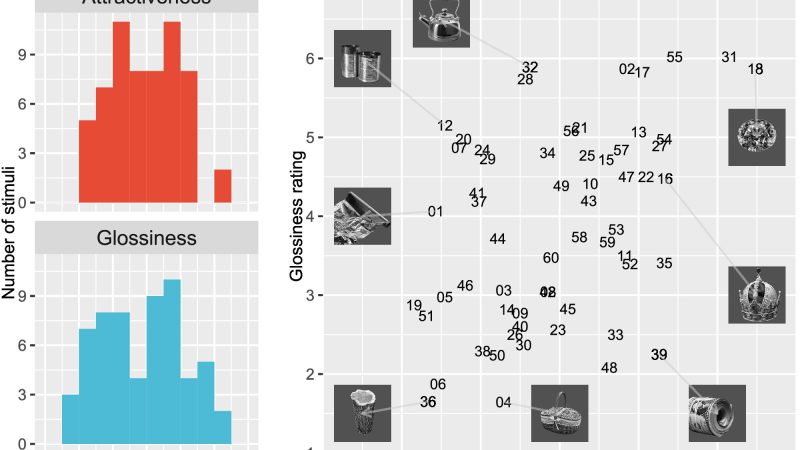
Researchers published a study in the Journal of Vision on Sept. 1, 2026, explaining how human pupil responses vary depending on whether viewers evaluate an object's glossiness or attractiveness.
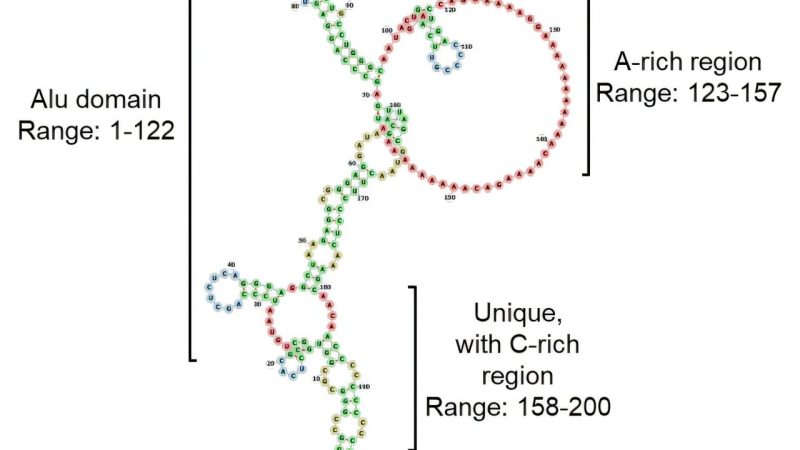
Scientists at Cornell University published a study in Science reporting the discovery of BC200, a human gene found within a poxvirus that retains mobility while serving brain function.
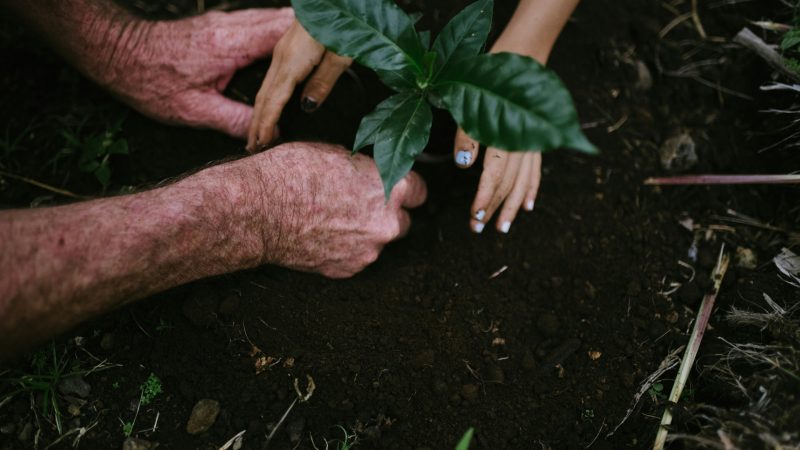
Homeowners can lower indoor temperatures next summer by planting specific vegetation now as the fall season begins.
Researchers published findings on a new flexible boron form called Imma-B60 in the journal Nature Chemistry on September 25, 2026.
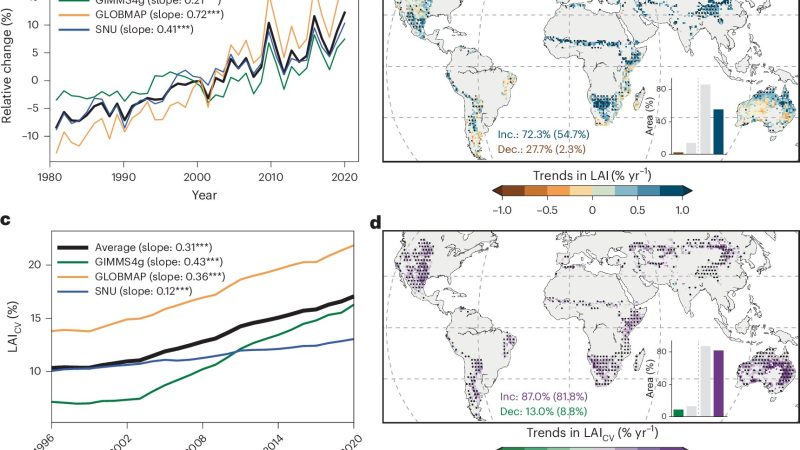
University of Arizona researchers analyzed forty years of satellite records to reveal increasing volatility in global dryland ecosystems.