Solar roofs on EVs face weight and aerodynamic limits
Engineers explain why adding solar panels to electric vehicle roofs struggles with energy needs and physical constraints.
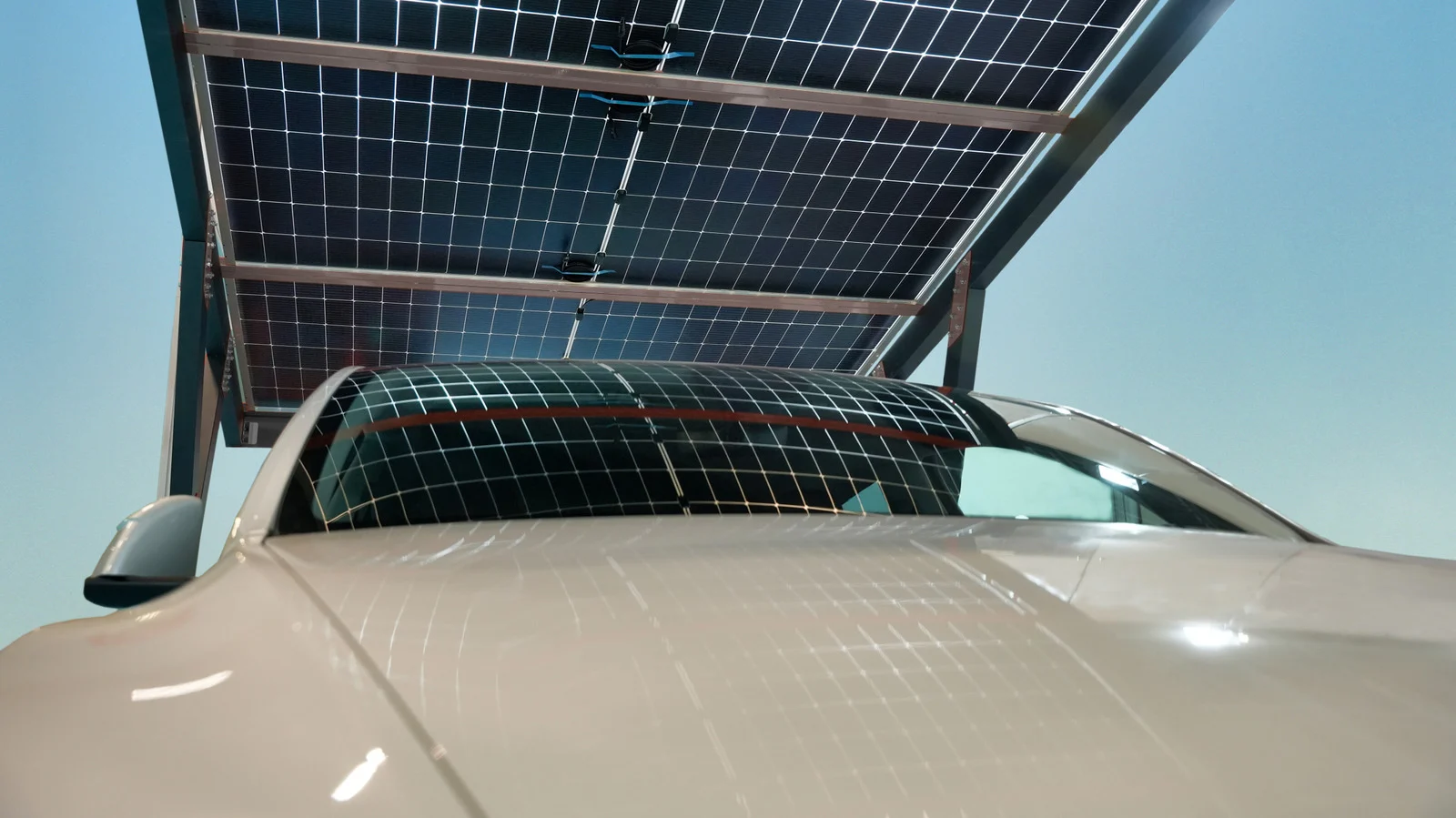
Roof space limits power generation
A car roof provides limited room to harvest sunlight compared to other surfaces. Even a large roof cannot generate enough electricity to move the vehicle because driving requires significant power. The EPA estimates a median 2025 EV uses 39kWh per 100 miles.
Extra hardware reduces efficiency
Adding more panels increases weight and forces electric motors to work harder. This extra mass draws more energy while the added hardware compromises aerodynamics. Increased drag lowers overall vehicle efficiency and offsets any power gained from the panels.
RVs suit solar better than cars
Recreational vehicles are better suited for rooftop solar since panels power lights and refrigerators rather than moving the vehicle. Car makers test stretched panels that deploy when parked to overcome these limitations. Implementing these concepts still faces practical challenges regarding weight and drag.
Reported by one outlet
Only one outlet has published this. Nothing here has been checked against a second report, so read it as that outlet's account and follow the link below for the original.
Reported by
1 independent outlet. Headline as published. Links open the original report.