Study finds visually clean air may still contain harmful particles
Researchers published a study in the Journal of Hazardous Materials showing that low visibility does not always mean lower particle pollution risk.
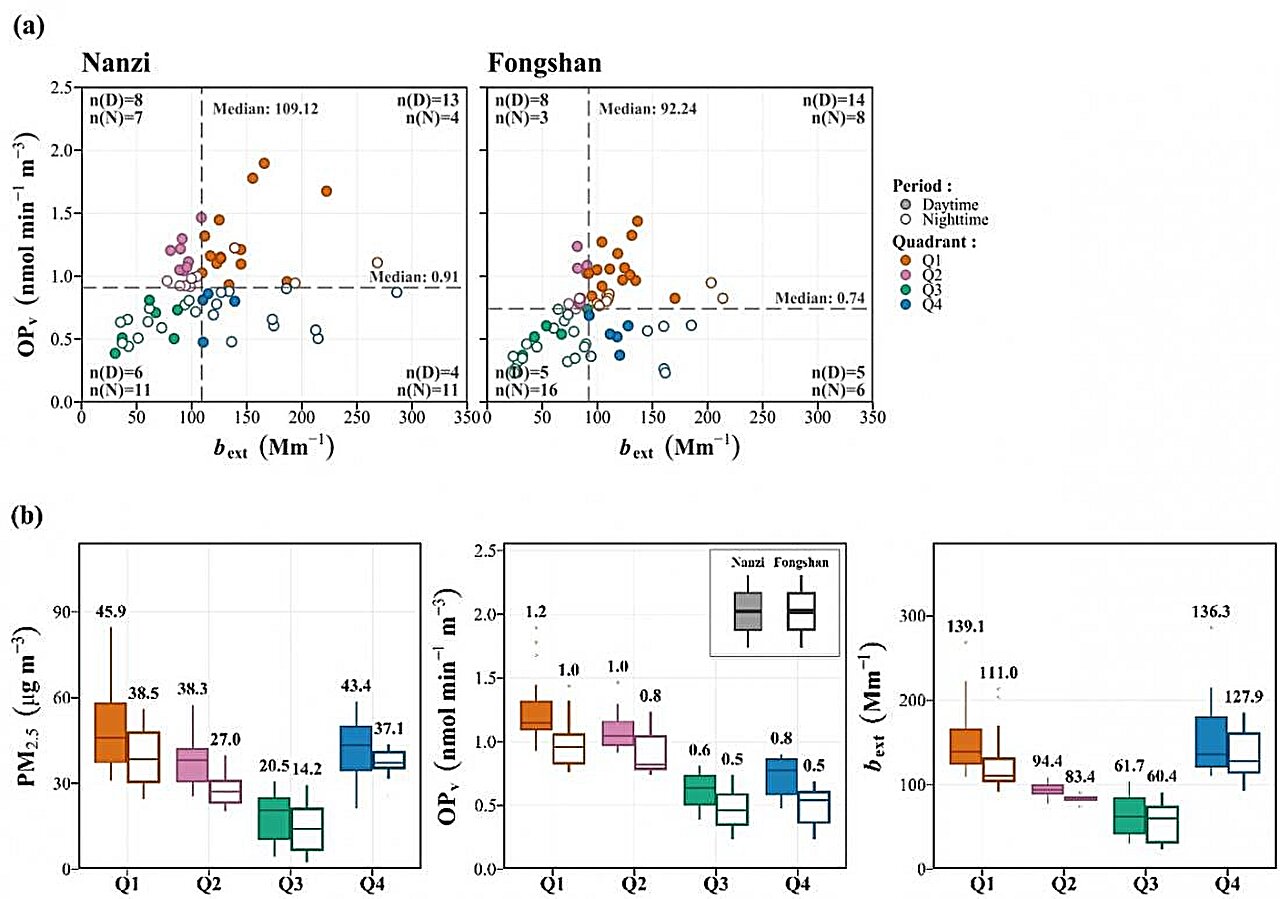
Oxidative potential differs from visibility
Professor Yu-Chieh Ting and his team compared how particles affect oxidative stress with how they block light. They grouped samples based on these two different measures to identify distinct pollution conditions. Some groups had high oxidative activity even when light extinction levels were low.
Water content drives the gap
The investigation revealed that water inside atmospheric aerosols played a major role in separating these two properties. High water uptake caused particles to grow larger, which enhanced light scattering without necessarily reducing their chemical reactivity. Mass concentration of PM2.5 alone could not explain either the oxidative activity or the visibility effects.
Reported by one outlet
Only one outlet has published this. Nothing here has been checked against a second report, so read it as that outlet's account and follow the link below for the original.
Reported by
1 independent outlet. Headline as published. Links open the original report.