Scientists trace Malawi copper hoard to Congo Kipushi mine
Scientists have used lead isotopes to link a 1967 copper ingot hoard found in Malawi to the Kipushi mine in Congo.
Missing pieces of the hoard
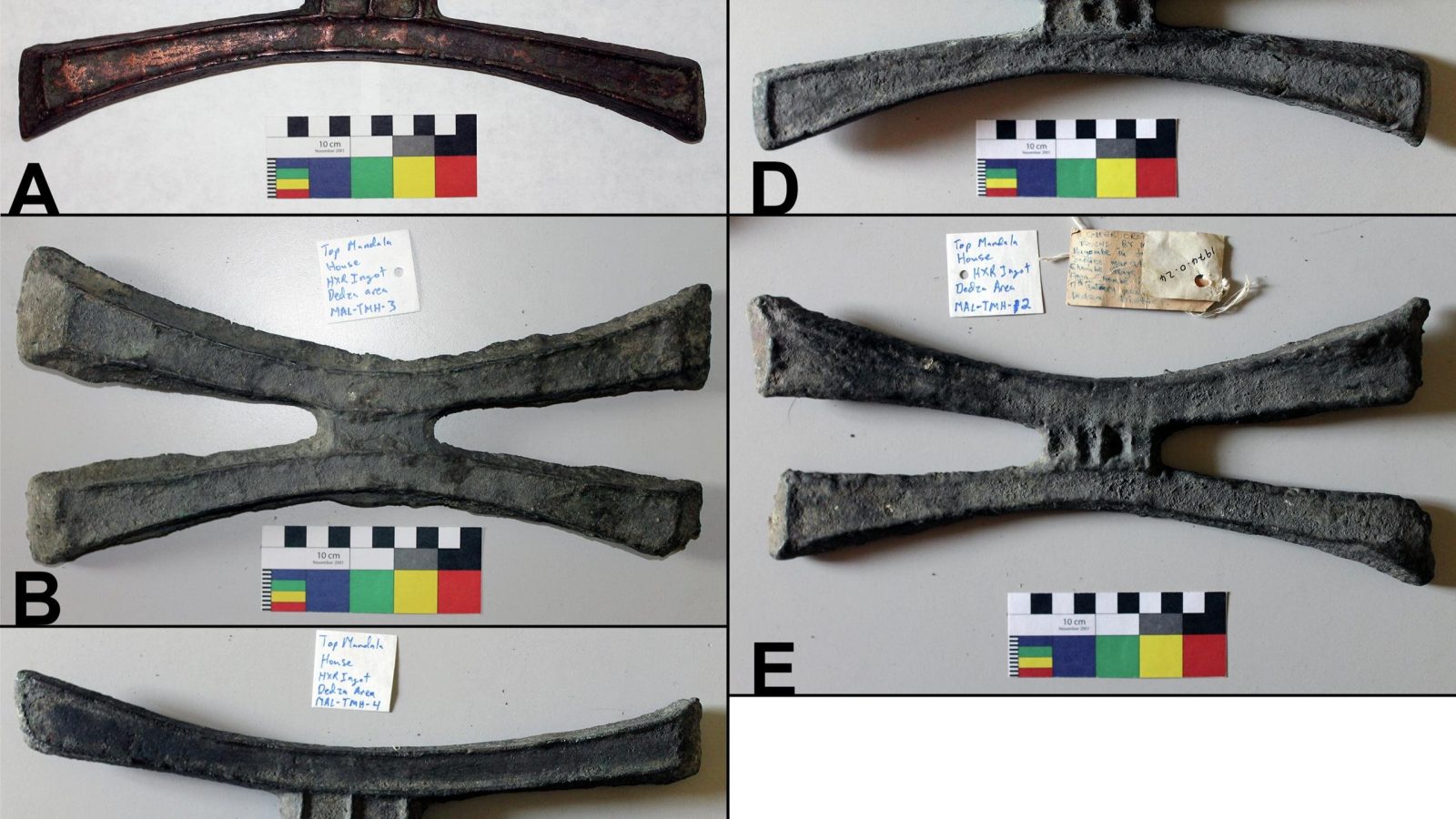
The original discovery involved eight copper ingots buried beneath a tree by a farmer in 1967. Only five of those ingots remain today because three have gone missing since the initial find. Researchers published their findings in the Journal of Archaeological Science: Reports after analyzing the metal samples.
Traders chose river routes
The study reveals that Iron Age traders moved copper across southern Africa using canoes and paddling down major rivers. This method was safer than taking a direct overland trek despite covering a distance of nearly 800 km. Locals made these business decisions much like modern people do when choosing transport options.
Unique characteristics of the ingots
These specific ingots are lighter and rougher than other X-shaped ingots found in Zambia and Zimbabwe. They date between the 14th and 18th centuries and were not made by trained metalworkers. The analysis confirms the metal originated from a mine nearly 500 miles away.
Reported by one outlet
Only one outlet has published this. Nothing here has been checked against a second report, so read it as that outlet's account and follow the link below for the original.
Reported by
1 independent outlet. Headline as published. Links open the original report.