Scientists burn scrolls to read ancient texts trapped by Vesuvius
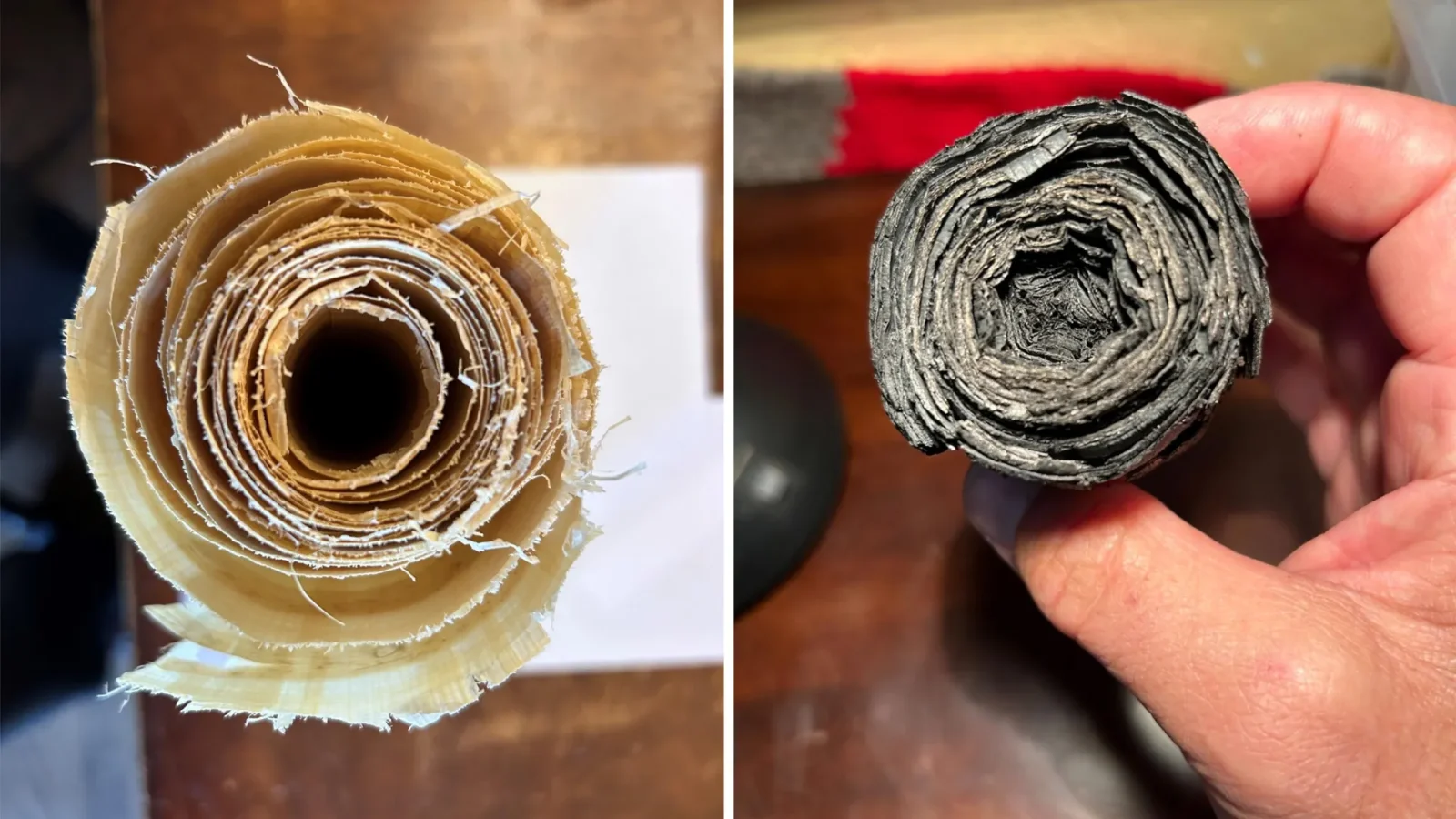
Researchers at the University of California, Berkeley, burned their own scrolls on September 26, 2026, to test a method for reading charred papyrus from Mount Vesuvius.
Lead traces reveal hidden writing
Scientists found that tiny amounts of lead in ancient ink make text visible during X-ray scans. This discovery allows researchers to see writing inside scrolls that were carbonized by volcanic ash nearly two thousand years ago.
Experiment mimics historical eruption
Douglas Seiler recreated the conditions of the 79 C.E. event by burning papyrus sealed in a container. He used traditional lampblack ink and wrote passages on Egyptian papyrus before placing them in a high-temperature furnace.
Method targets lost library
The technique aims to unlock Greek and Roman texts preserved in Herculaneum after the eruption overwhelmed the city. More than a thousand scrolls in a local library were transformed into fragile remains during that catastrophe.
Reported by one outlet
Only one outlet has published this. Nothing here has been checked against a second report, so read it as that outlet's account and follow the link below for the original.
Reported by
1 independent outlet. Headline as published. Links open the original report.