New review suggests insect sensory cells move to speed up vision
An international team led by Professor Mikko Juusola published a review in Physics of Life Reviews arguing that microscopic movements within insect sensory cells reduce visual processing delays.
Static models face new challenges
Standard scientific models often treat neural circuits as fixed systems that only carry electrical signals. However, this new analysis indicates that nervous systems rely heavily on physical movement to function effectively. Animals actively move their bodies while the structures sampling information also change shape dynamically.
Microscopic shifts improve efficiency
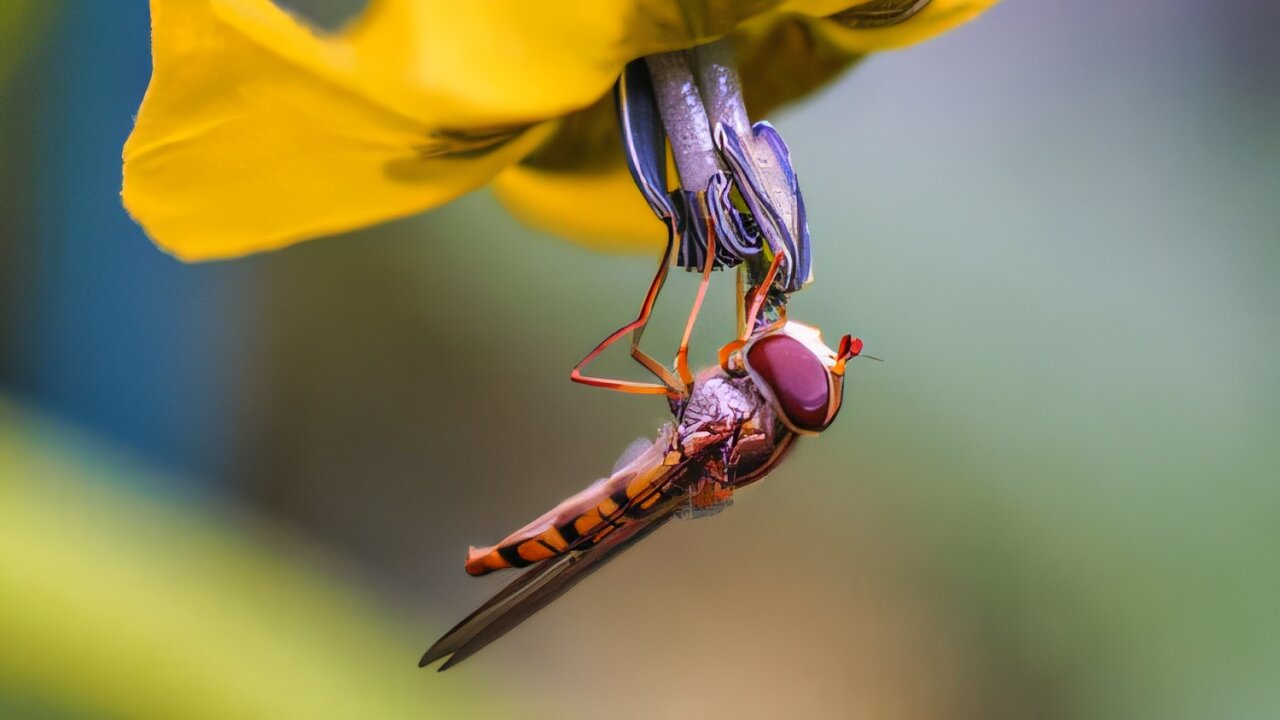
Research on insect vision demonstrates that tiny changes inside individual cells help sample visual data more efficiently. These microscopic movements work alongside whole-body motions to sharpen perception and lower processing delays. The findings challenge the conventional view of how brains handle information without relying on static circuits.
A new framework emerges
The international research team proposes a fresh way to understand how these movements power ultrafast perception in tiny nervous systems. This approach combines biological computer models with earlier visual experiments to build a comprehensive picture. The paper suggests that physical movement at multiple scales is essential for gathering information quickly.
Reported by one outlet
Only one outlet has published this. Nothing here has been checked against a second report, so read it as that outlet's account and follow the link below for the original.
Reported by
1 independent outlet. Headline as published. Links open the original report.