New helium measurements confirm Big Bang predictions for early universe composition
Astronomers used data from the Large Binocular Telescope to measure primordial helium levels and validate theories about the early universe.
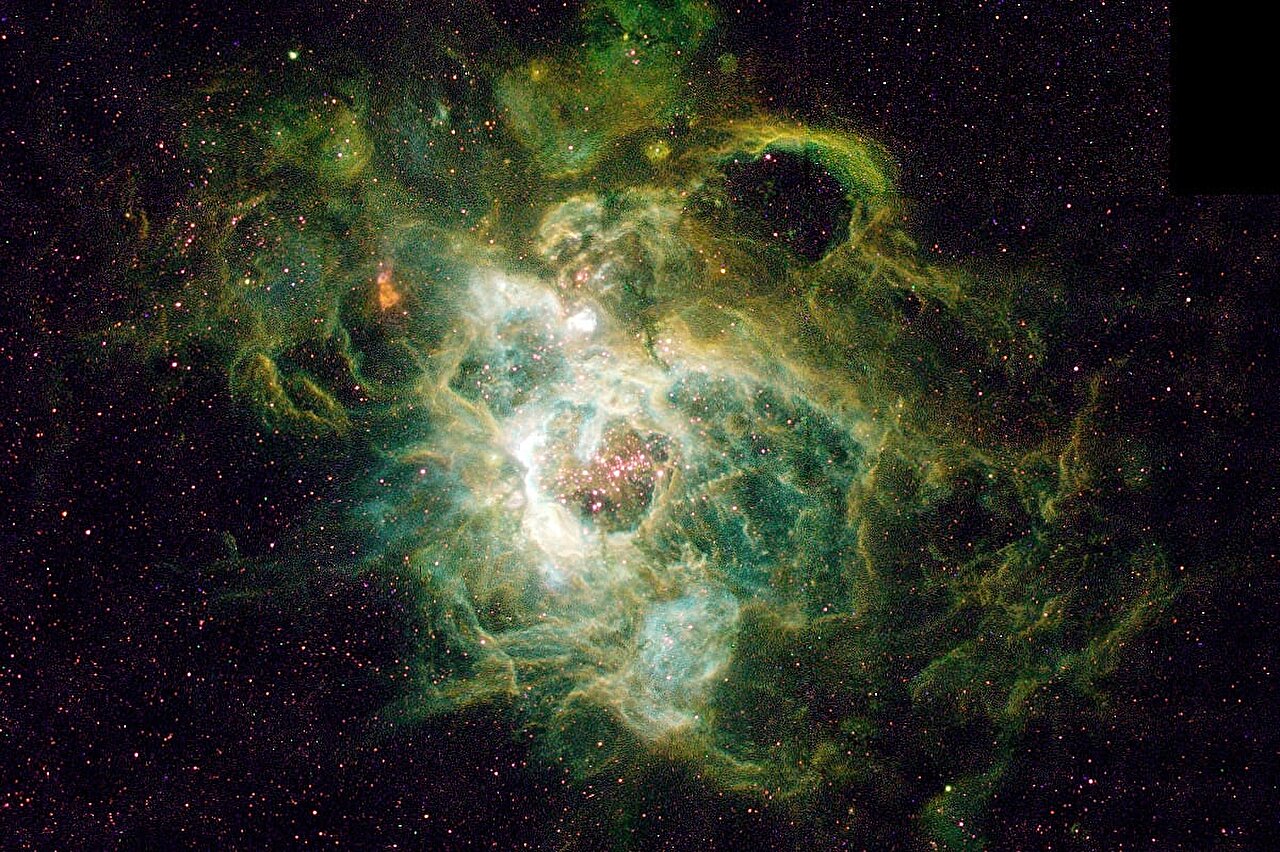
Early universe element ratios
The Big Bang produced mostly hydrogen and a smaller amount of helium. Heavier elements like oxygen and iron formed later inside stars or during supernova explosions. Scientists note that only hydrogen from the initial event remains unchanged today.
Stellar fusion adds helium
Stars continuously create helium through fusion processes over billions of years. This ongoing production increases the total amount of helium found in space now. Consequently, current measurements show more helium than existed immediately after the Big Bang.
Data analysis challenges
Researchers must separate ancient helium from that made by stars to study the early cosmos accurately. The Large Binocular Telescope provided the necessary observations to distinguish these sources effectively. This distinction allows for a clearer picture of primordial element abundance.
Reported by one outlet
Only one outlet has published this. Nothing here has been checked against a second report, so read it as that outlet's account and follow the link below for the original.
Reported by
1 independent outlet. Headline as published. Links open the original report.