Large dog breeds show faster epigenetic aging rates than smaller varieties
A study analyzing nearly 900 dogs from about 120 breeds found that larger canines accumulate DNA changes associated with aging more quickly than smaller ones.
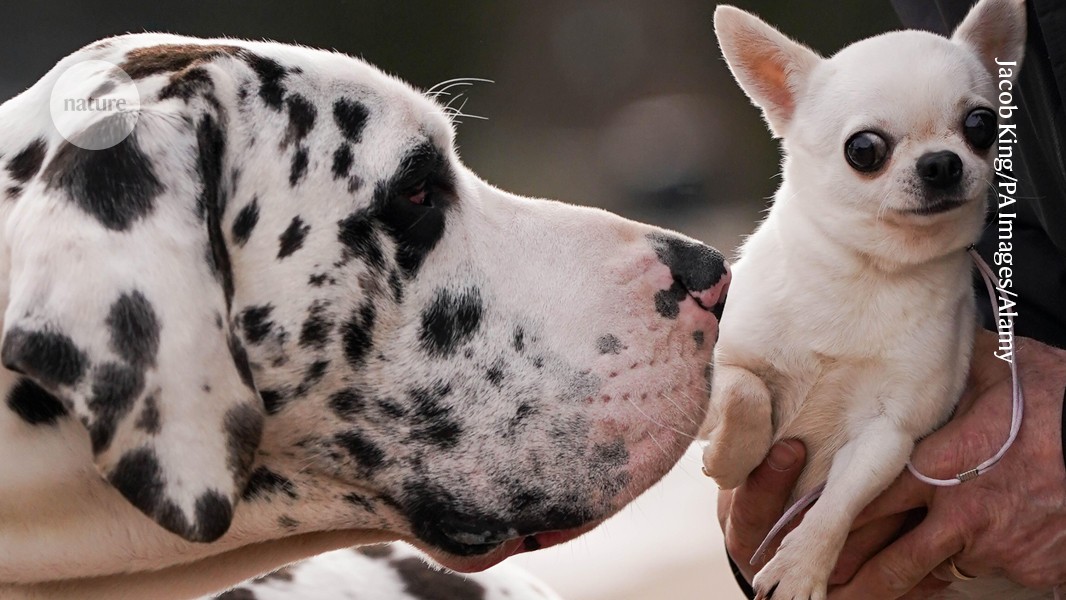
Study scope and findings on breed size
Researchers examined chemical groups added to DNA that control gene activity across many different dog types. The analysis revealed that big dogs tend to gather these epigenetic marks at a faster rate than small dogs. Male dogs also amassed these changes more quickly than females, regardless of whether they were neutered early.
Role of jumping genes in aging
The report suggests that rogue jumping genes might be responsible for the accelerated aging seen in larger breeds. These mobile genetic elements hop around the genome and could influence how quickly cells age. This molecular background helps explain behavioral differences observed between large and small dogs.
Specific examples of long-lived breeds
Some of the largest breeds, such as Irish wolfhounds, were mentioned in the context of the study findings. The text notes that these animals live shorter lives compared to smaller counterparts despite their size.
Reported by one outlet
Only one outlet has published this. Nothing here has been checked against a second report, so read it as that outlet's account and follow the link below for the original.
Reported by
1 independent outlet. Headline as published. Links open the original report.