European nightjar wings show trade-off between slow hunting and fast travel
Researchers at Lund University published a study in PLOS Biology showing how European nightjars balance hunting needs with migration speeds.
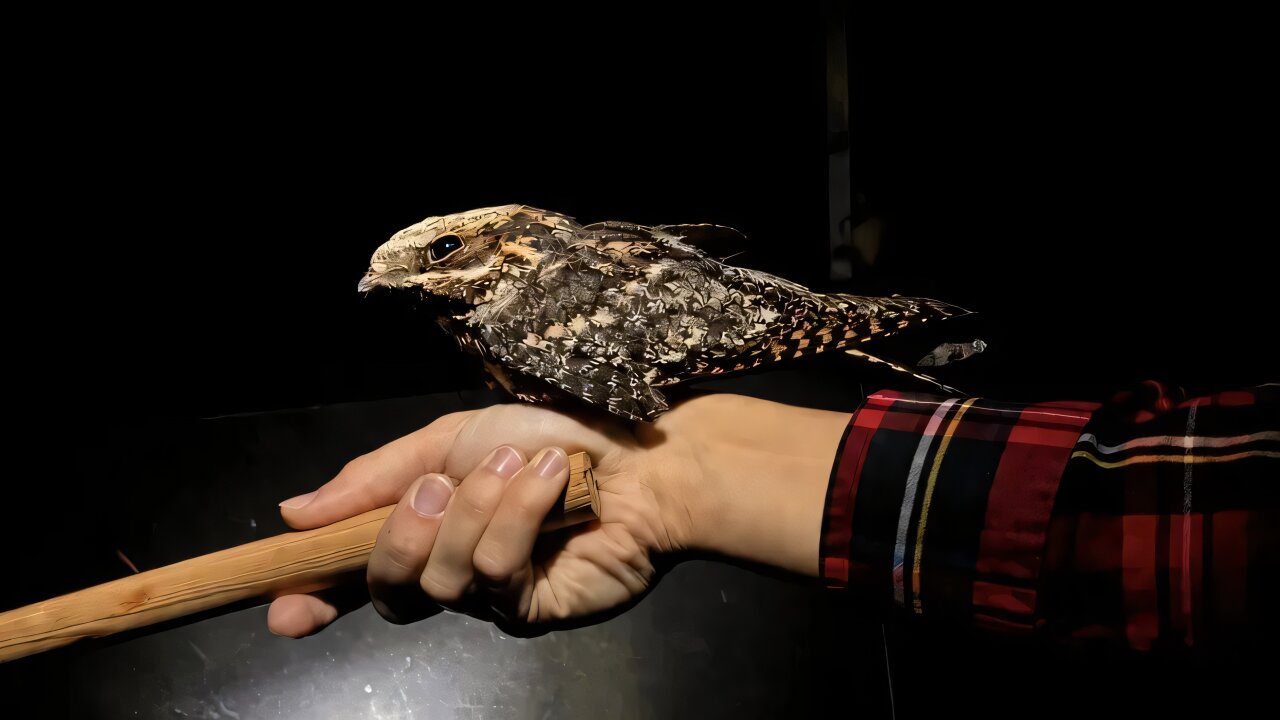
Wing shape limits high speed flight
The bird uses broad wingtips to fly slowly and turn sharply while hunting insects. This specific wing structure reduces lift production efficiency as the bird increases its speed. The study measured airflow behind the birds using a wind tunnel to confirm these mechanics.
Upstroke generates unexpected thrust force
Scientists found that nightjars generate thrust even when their wings move upward during flight. This active upstroke differs from previous associations with other flying animals. The results suggest the bird is not a perfectly optimized machine for long-distance travel.
Flight mechanics involve multiple demands
Christoffer Johansson noted that the wings represent a compromise between several different flight requirements. The bird sacrifices some lift efficiency to maintain maneuverability at low speeds. This trade-off explains why the nightjar cannot be both a slow hunter and a fast traveler.
Reported by one outlet
Only one outlet has published this. Nothing here has been checked against a second report, so read it as that outlet's account and follow the link below for the original.
Reported by
1 independent outlet. Headline as published. Links open the original report.