Colonial land-use change drove Australia’s current wildfire crisis in southeastern forests
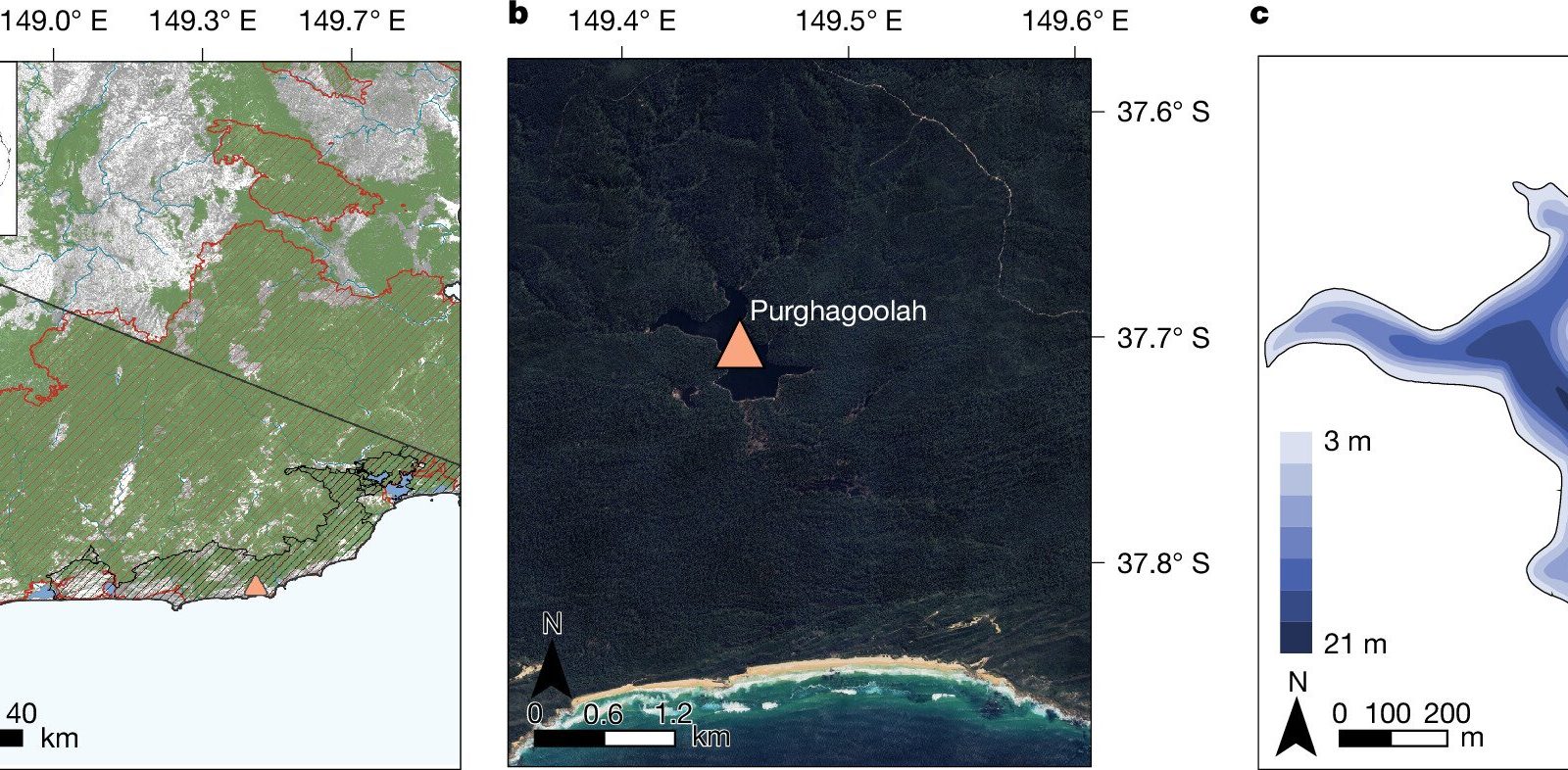
University of Melbourne researchers with Gunaikurnai Land and Waters Corporation reconstructed a millennium of fire history in Croajingolong National Park to link colonial disruption to today's wildfires.
Indigenous burning maintained open woodlands
Before British invasion in 1788, the Gunaikurnai people used frequent cultural burning to keep vegetation as stable, open woodlands. This practice prevented catastrophic fires even during dangerous weather seasons that occurred repeatedly before colonization.
Colonization altered fire and fuel
Disruption of Indigenous care caused a fourfold rise in eucalypt cover and a shift from open woodland to forest. These changes increased fire temperature and soil erosion, creating more flammable landscapes before anthropogenic warming began.
Climate records show past fires
Researchers found that dangerous fire weather recurred in the region repeatedly prior to colonization despite the protective open landscape. The study suggests integrating Indigenous knowledge is essential for restoring resilience and mitigating future wildfire risks.
All 2 outlets report consistently
No differences in figures, names or dates across these reports.
- Nature
- Phys.org
Reported by
2 independent outlets. Headlines as published. Links open the original report.