Chinese and Vienna teams build first nuclear clocks
Independent research teams in Beijing and Vienna published papers this week describing the world's first two operating thorium-229 nuclear clocks.
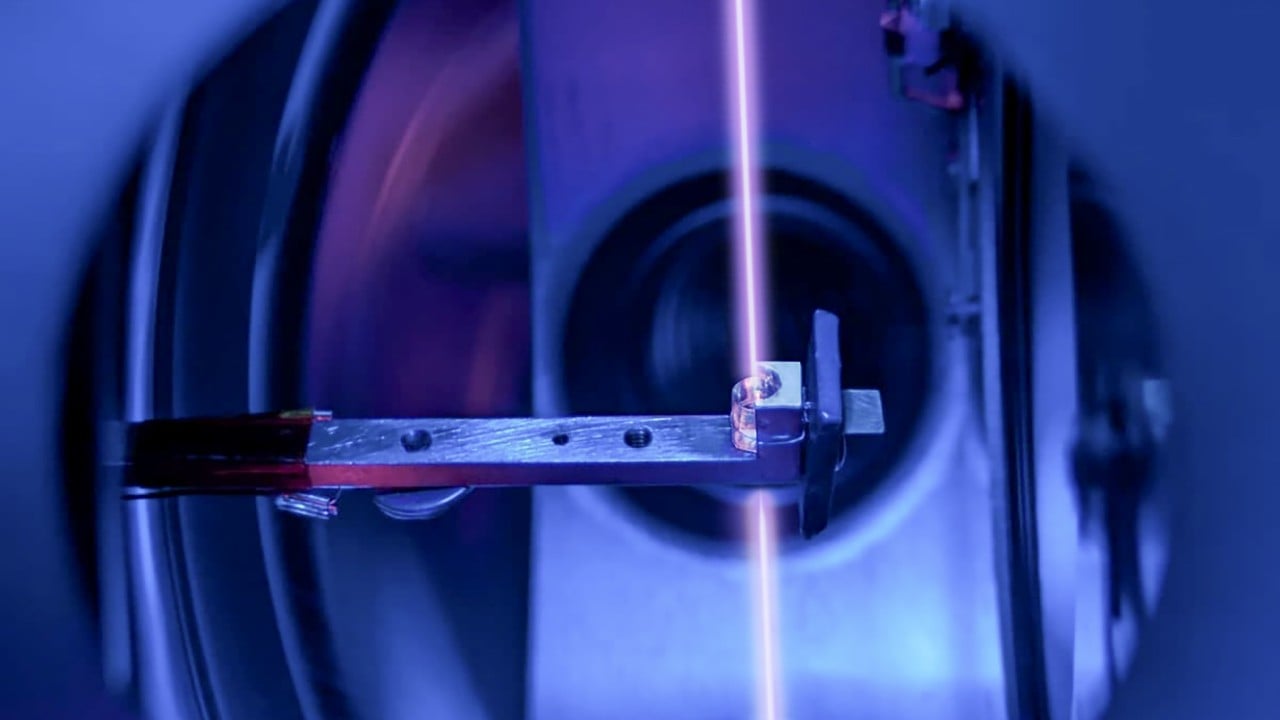
New devices use atomic nuclei
The new timepieces monitor how lasers interact with the nucleus of a thorium-229 atom rather than its electrons. Both groups embedded these nuclei inside solid-state calcium fluoride crystals to keep time. This method represents the next generation of ultra-accurate timekeeping machines first created in 1949.
China clock shows higher stability
Studies indicate the Beijing device is about six times as stable as the Vienna instrument. The Chinese team also demonstrated that two separately grown crystals kept the same time. Researchers describe this global effort as a fierce but friendly competition between the teams.
Vienna clock hunts for dark matter
The European researchers used their clock to search for dark matter without success so far. Physicists say the concept is robust because both groups reached operating clocks using different approaches. The papers were published in the journal Nature on Wednesday.
All 2 outlets report consistently
No differences in figures, names or dates across these reports.
- South China Morning Post
- Business Recorder
Reported by
2 independent outlets. Headlines as published. Links open the original report.