Boston University researchers study Dracula ant brain development
Boston University scientists published new findings on Stigmatomma pallipes ant behavior in Proceedings of the Royal Society B.
Early hunting without transition period
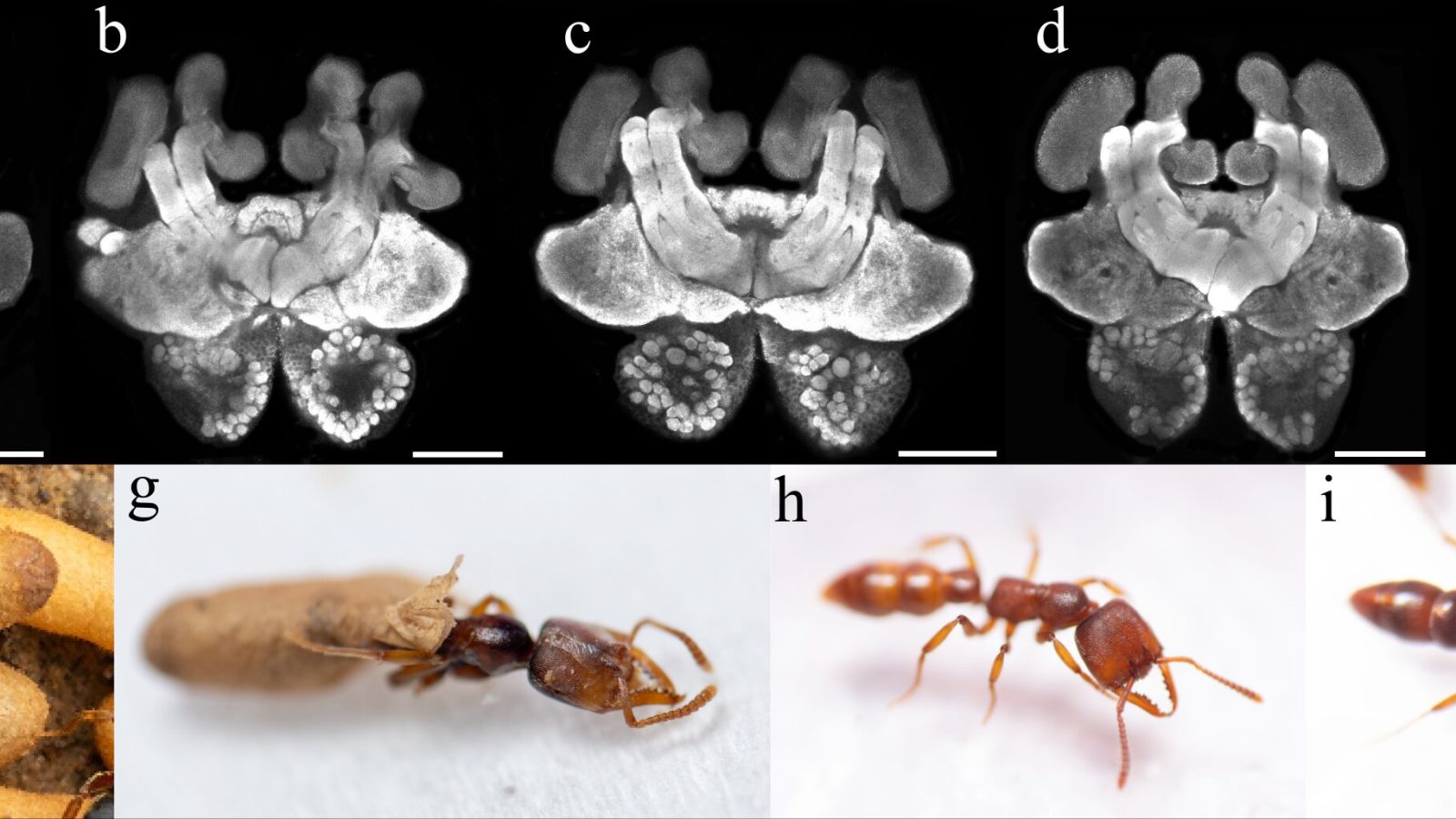
Most ant workers care for young inside the nest before they start foraging outside. The Dracula ant species Stigmatomma pallipes begins hunting immediately upon reaching adulthood without this usual change in role. These insects can pierce their developing young to drink hemolymph.
Brain regions grow during pupal stage
Researchers found that specific brain areas reach their largest size while the ants are still immature. This growth happens during the pupal stage when the insects transition into adulthood. The study suggests this early brain development explains their readiness for work.
Reported by one outlet
Only one outlet has published this. Nothing here has been checked against a second report, so read it as that outlet's account and follow the link below for the original.
Reported by
1 independent outlet. Headline as published. Links open the original report.