Ancient spearheads show how Ice Age humans navigated Tennessee River Valley
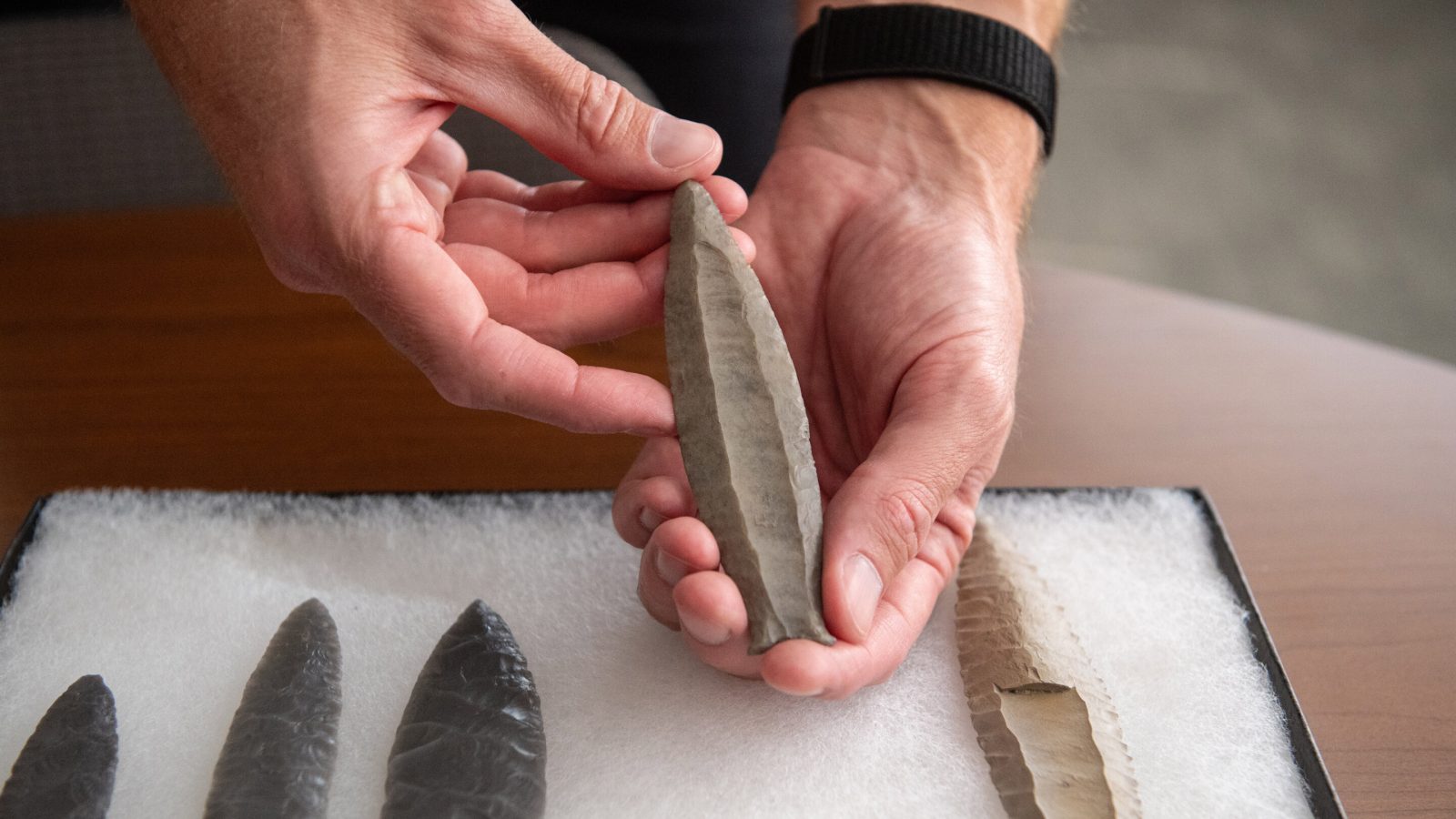
Archaeologists in the United States are using stone spearheads from the Tennessee River Valley to understand how early humans adapted to their environment nearly 13,000 years ago.
Study examines risk adaptation
Researchers analyzed approximately 500 recovered projectile points to determine how first inhabitants managed unfamiliar landscapes. These stone weapons serve as the primary surviving evidence of daily life for these early settlers. The team focused on understanding behavioral patterns through these specific artifacts.
Environment shaped survival strategies
The study highlights that hunter-gatherers moved across the region following seasonal changes and water sources. They faced a world populated by mastodons, mammoths, and giant sloths which are unknown today. Jesse Tune noted these people shared basic needs with modern humans despite different surroundings.
New insights into Clovis culture
The findings provide context for the lives of Clovis and Cumberland peoples in that specific valley. This research was published recently in the Journal of Archaeological Method and Theory. Shane Miller from the University of Alabama contributed to this analysis alongside colleagues.
Reported by one outlet
Only one outlet has published this. Nothing here has been checked against a second report, so read it as that outlet's account and follow the link below for the original.
Reported by
1 independent outlet. Headline as published. Links open the original report.