NASA Roman Space Telescope may operate for at least 22 years
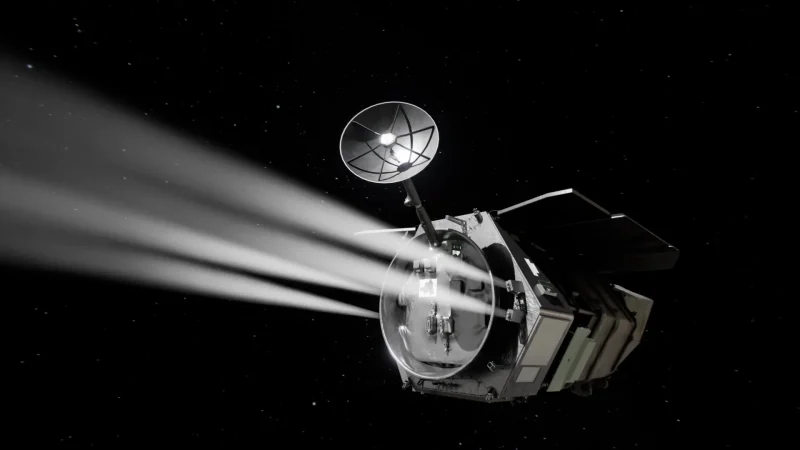
NASA says its Roman Space Telescope could study the universe for at least 22 years starting in September 2026.
NASA says its Roman Space Telescope could study the universe for at least 22 years starting in September 2026.
Researchers at ETH Zurich and the Paul Scherrer Institute plan an experiment in September 2026 to measure how gravity affects muons.
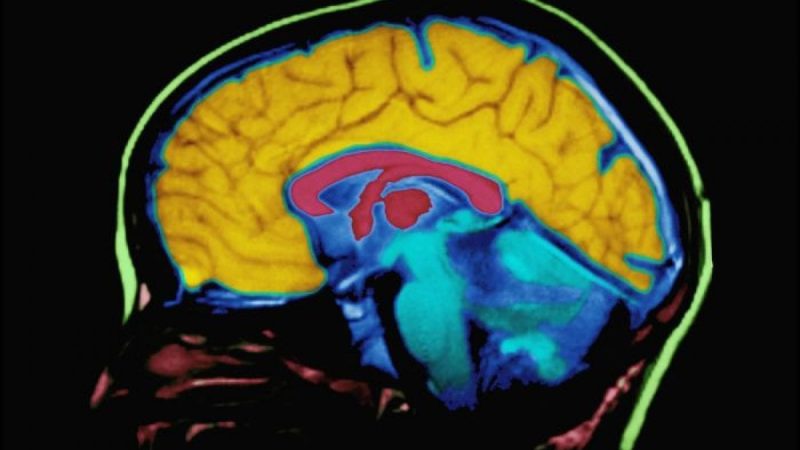
Researchers at Stanford University published findings in Nature Neuroscience indicating the human brain originated as two distinct organs before merging.
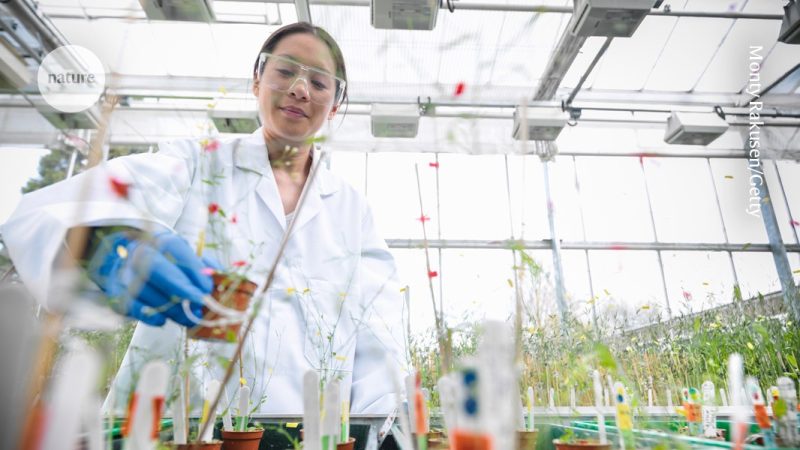
Anna Sandak of the University of Primorska in Koper, Slovenia, secured a European Research Council grant following an interview and proposal resubmission in early 2022.
Three Northeastern University professors explain how artificial intelligence is altering the way people write and speak.
Researchers at The Australian National University published new findings in Angewandte Chemie International Edition regarding a single-atom change that improves plastic-degrading enzymes.
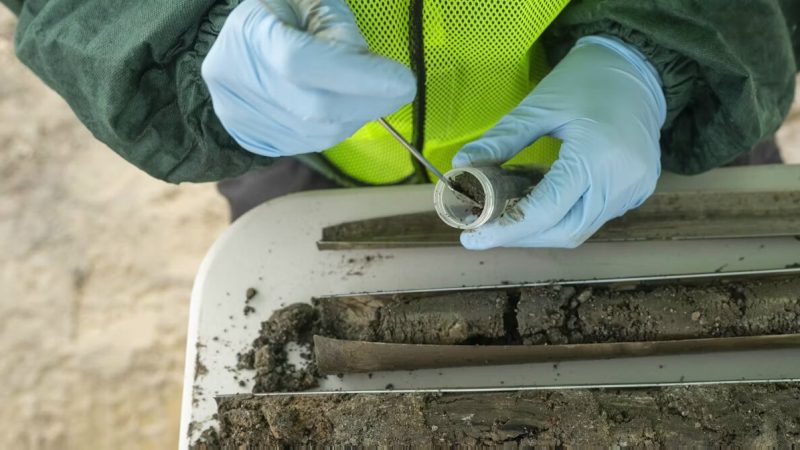
Microbiologists report that bacteria beneath a former steelworks in Pittsburgh have evolved over decades to survive and consume industrial pollutants.
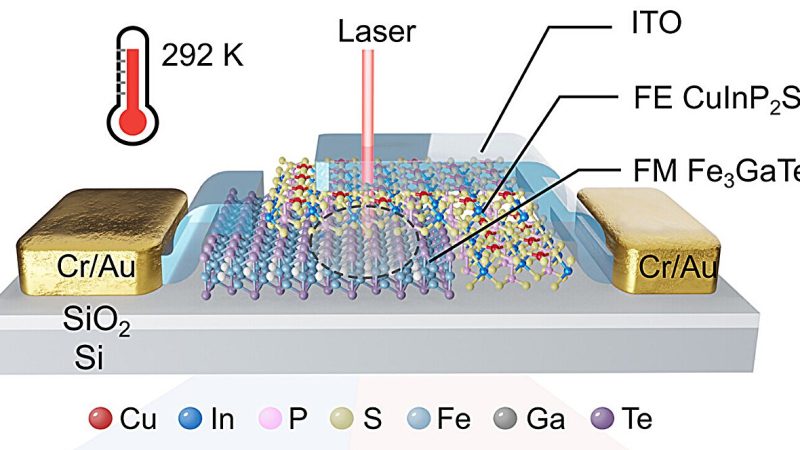
Scientists at the University of Maryland and other institutes demonstrated a method to create stable, ultrathin multiferroics that function at room temperature.
Chinese researchers face increasing visa rejections at German universities as Berlin pursues a de-risking strategy.
Indonesia faces diplomatic challenges after Mount Anak Krakatau erupted on September 15 while forest fires in Borneo sent smoke across national borders.