University of Konstanz researchers find enzyme that breaks down specific plastic types
Scientists at the University of Konstanz discovered a new enzyme capable of digesting certain plastics in soil samples.
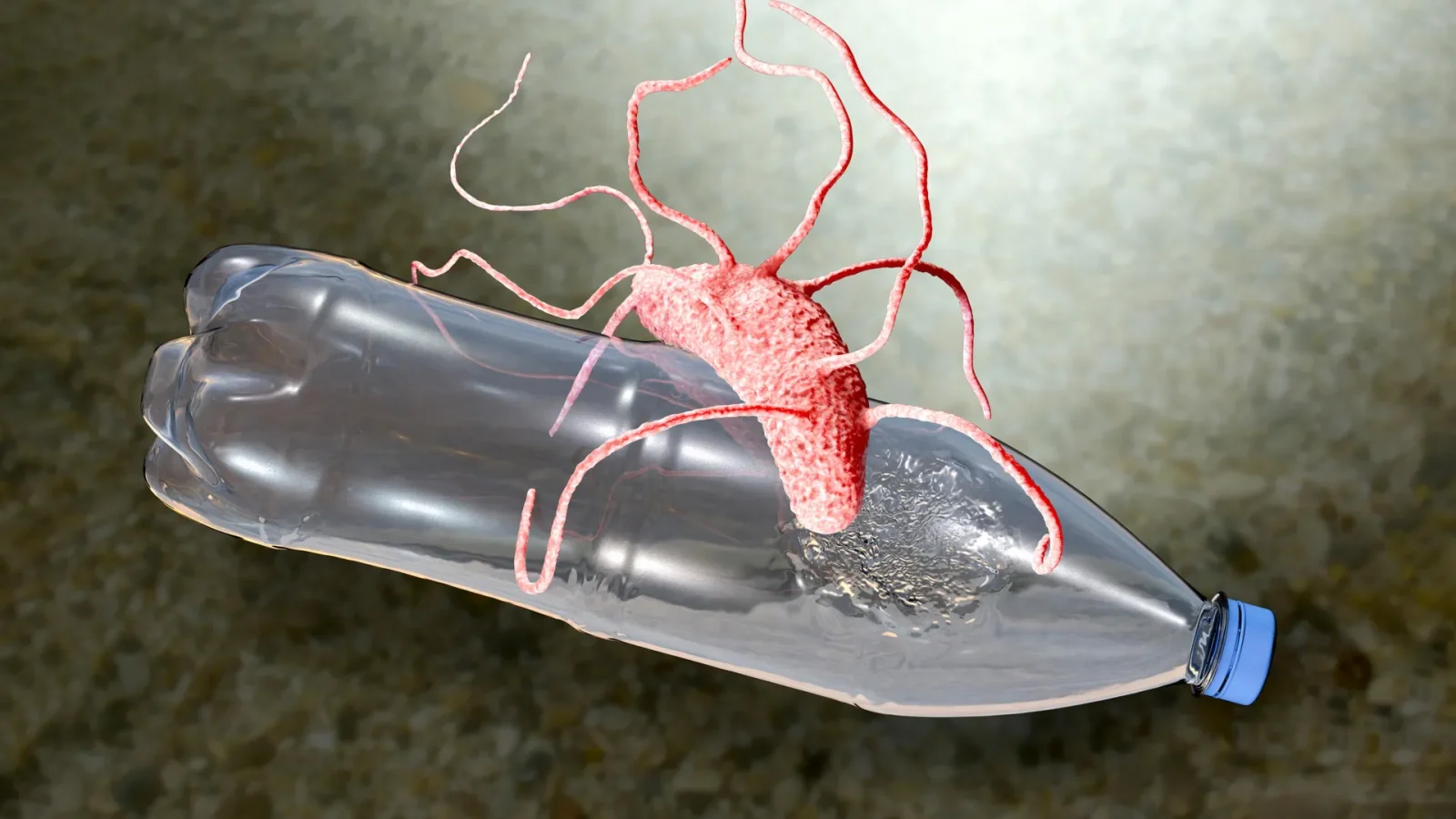
New Enzyme Breaks Down Plastics
Researchers identified a specific protein that allows bacteria to consume particular polyester materials. Tests showed these biodegradable polymers vanished from the ground within roughly one year. Conventional plastic waste did not show similar signs of decomposition during the same period.
Microbial Communities Form on Waste
Bacteria and other microbes settle on discarded items to create a unique ecosystem known as the plastisphere. This biological layer helps microorganisms adapt to feed on synthetic polymers found in trash. The new discovery explains how some of these communities become better at breaking down waste.
Study Focuses on Soil Samples
The investigation took place in a controlled environment where soil contained various plastic types. Observations confirmed that only the targeted biodegradable plastics were fully consumed by the microbial activity. The remaining conventional materials stayed largely intact throughout the entire observation window.
Reported by one outlet
Only one outlet has published this. Nothing here has been checked against a second report, so read it as that outlet's account and follow the link below for the original.
Reported by
1 independent outlet. Headline as published. Links open the original report.