Scientists seek answers for why some people do not lose weight on GLP-1 drugs
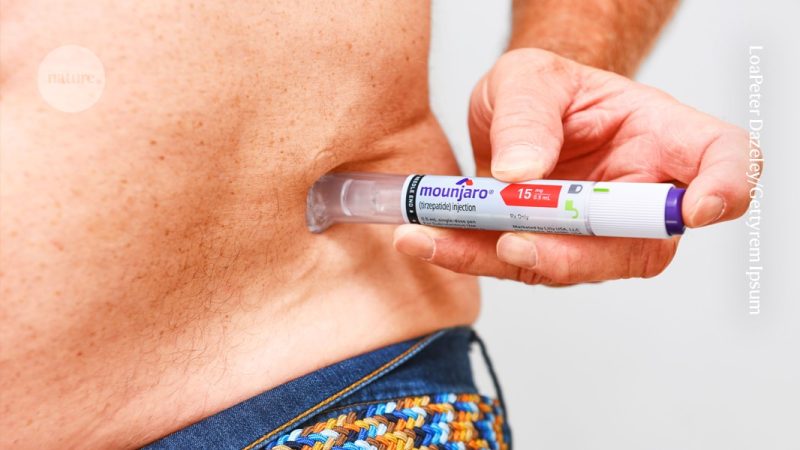
Researchers are investigating individual responses to GLP-1 medications after studies show that 10 to 15 percent of users gain minimal or no weight.
Researchers are investigating individual responses to GLP-1 medications after studies show that 10 to 15 percent of users gain minimal or no weight.
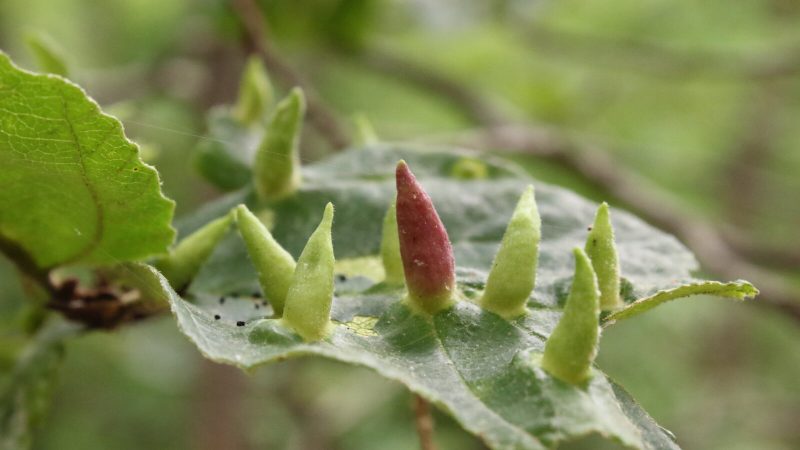
Researchers at the Stowers Institute and University of Pittsburgh discovered a common architectural plan in aphid proteins published Sept. 2, 2026.
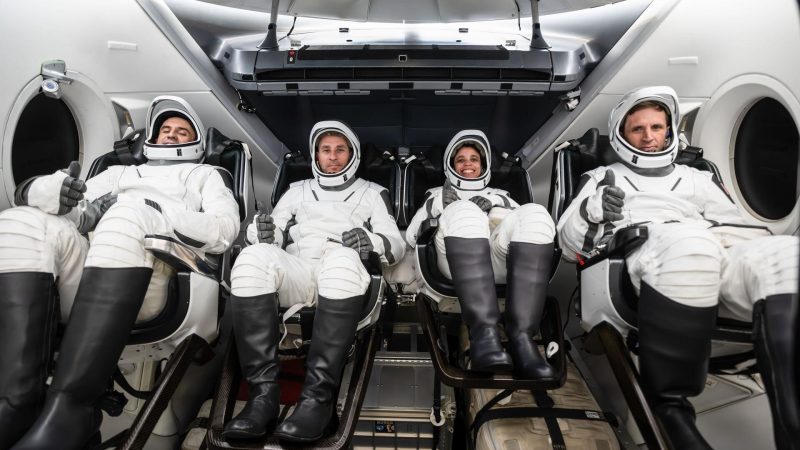
NASA plans biomedical investigations for its SpaceX Crew-13 crew aboard the International Space Station to assess health effects of spaceflight.
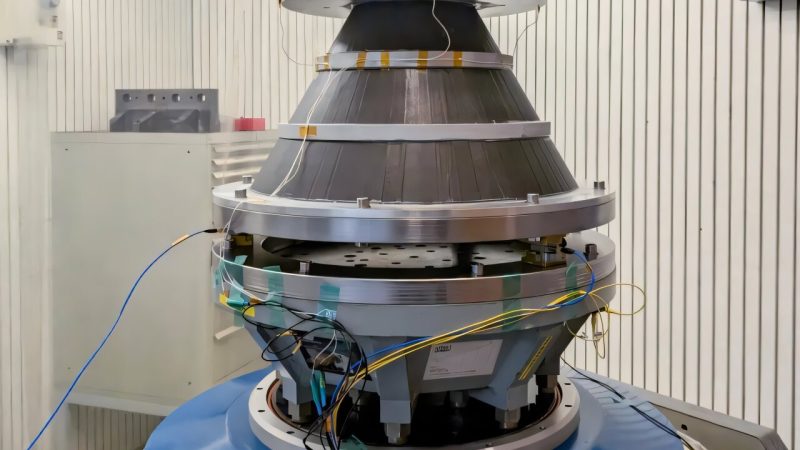
Researchers in Switzerland have developed a new vibration-dampening system to protect satellites during rocket launches.
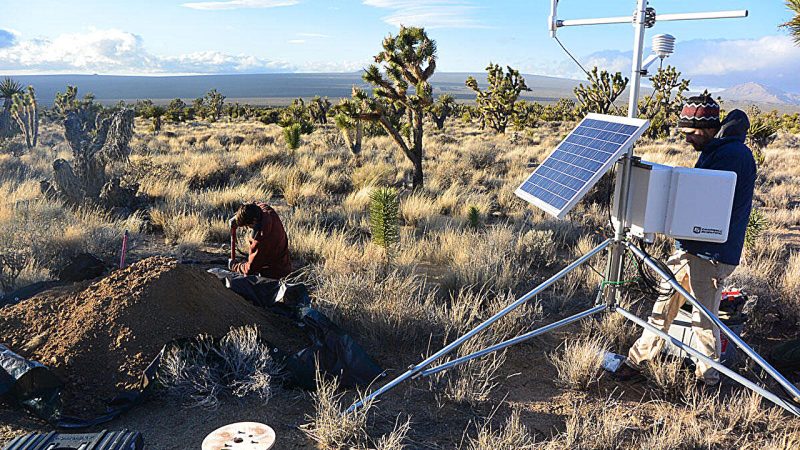
UC Berkeley scientists published a study on September 23 describing a daily carbon dioxide exchange process found in Mojave Desert soil minerals.
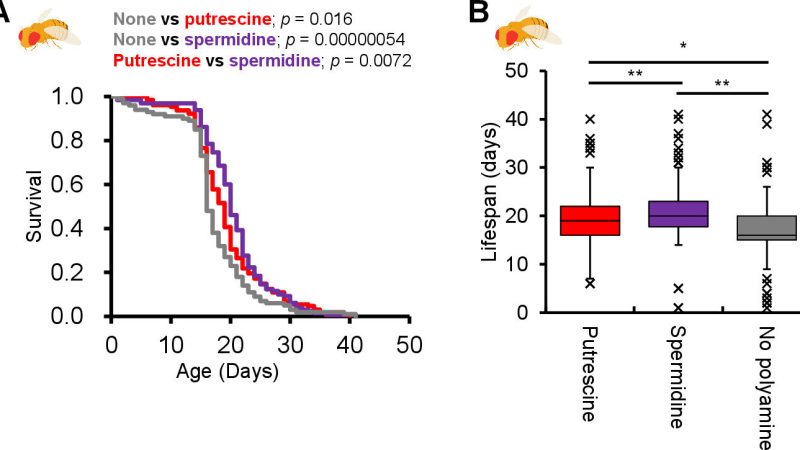
Researchers in Japan found that polyamines produced by gut bacteria can directly increase the lifespan of fruit flies.
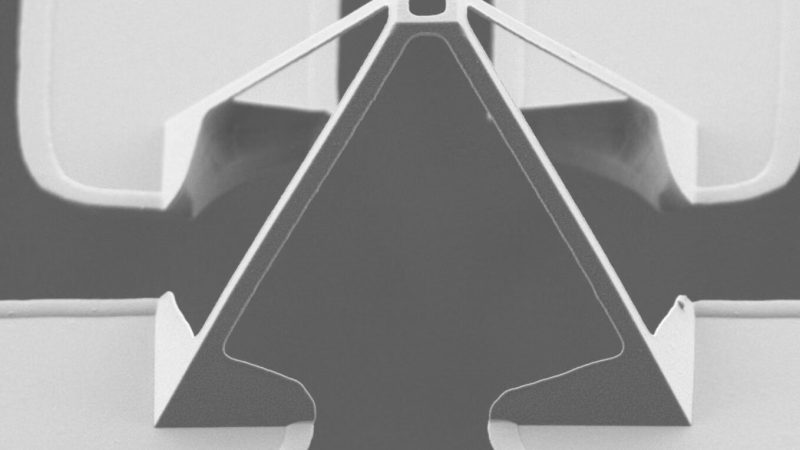
Researchers at the University of Twente have created a vertical quantum sensor that brings a SQUID directly onto a pyramid to image nanoscale magnetic patterns in quantum materials.
Graduate student Arsalaan Ahmad and his mentors published a new method for detecting landslides using satellite AI in the journal Frontiers in Remote Sensing.
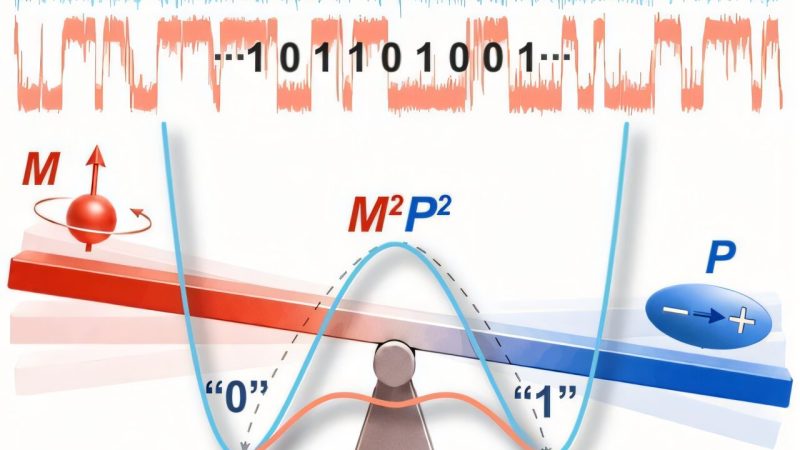
A team of physicists co-led by researchers at Rice University and Southeast University has proposed a new class of materials called autferroics to improve security chip performance.
A political science professor at an unnamed university designed a freshman seminar to help college students overcome loneliness and social anxiety in 2026.