Study finds political parties drive most of Washington polarization
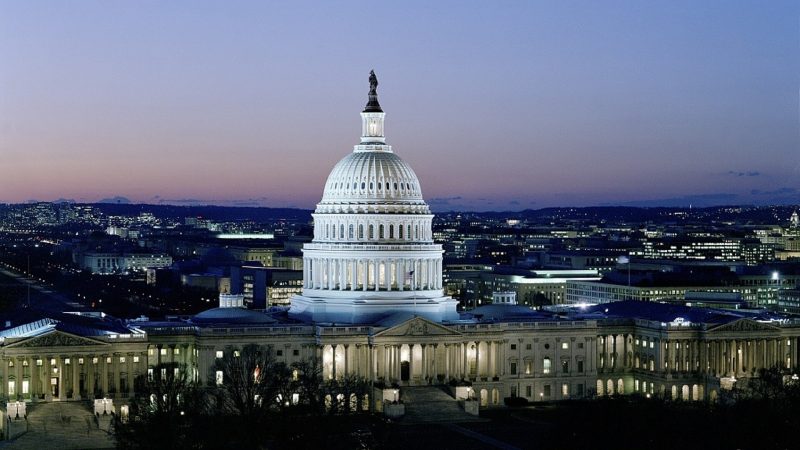
A new study published in the Journal of Political Economy attributes the majority of current congressional polarization to political parties rather than individual politicians.
A new study published in the Journal of Political Economy attributes the majority of current congressional polarization to political parties rather than individual politicians.
Chemists and aerospace engineers at The University of Manchester have designed a new molecule that emits two colors to measure air pressure and temperature simultaneously in wind tunnels.
A new analysis of over 43,000 English-language newspaper articles through December 2024 reveals a stratified narrative about artificial intelligence authority.
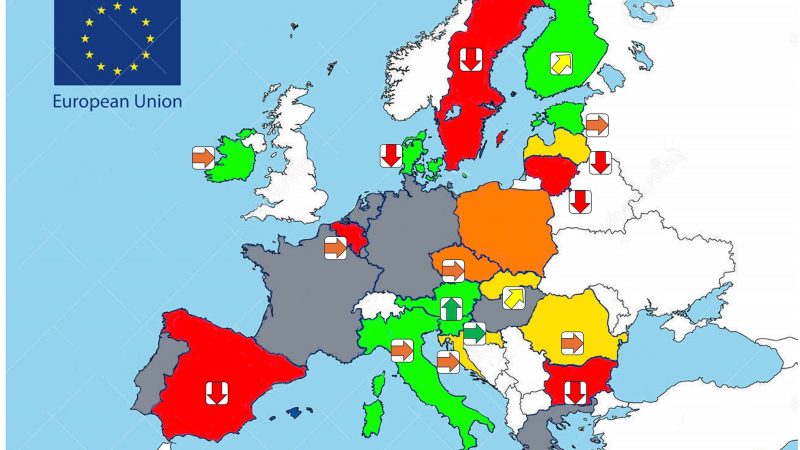
A study led by researchers at the Universitat Politècnica de València analyzed water data from 2015 to 2021 regarding European river conditions.
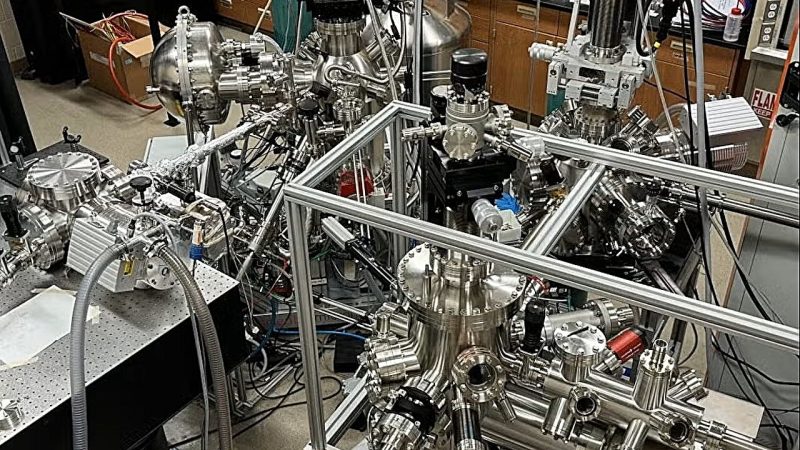
A team led by UCF physics professor Madhab Neupane published experimental evidence of altermagnetism in a layered material in the journal Nature Communications.
A team at Kanazawa University used high-speed atomic force microscopy to watch enzymes break down DNA molecules.
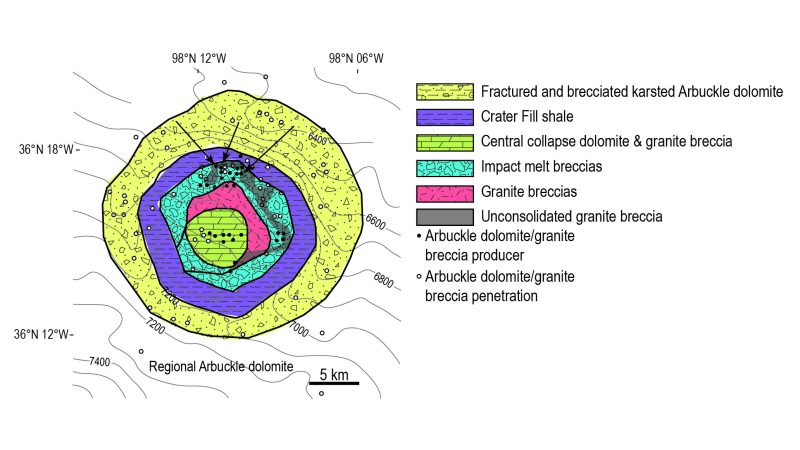
University of Texas researchers at Ames, Oklahoma, determined a buried crater formed 370 million years ago instead of the previously believed 467 million years.
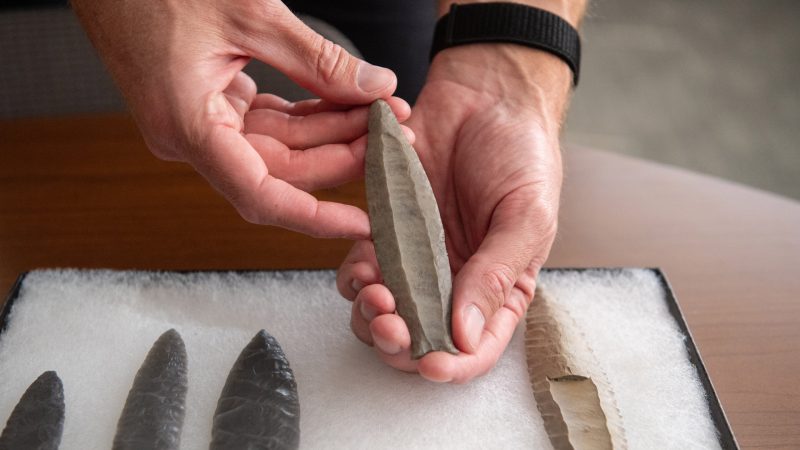
Archaeologists in the United States are using stone spearheads from the Tennessee River Valley to understand how early humans adapted to their environment nearly 13,000 years ago.
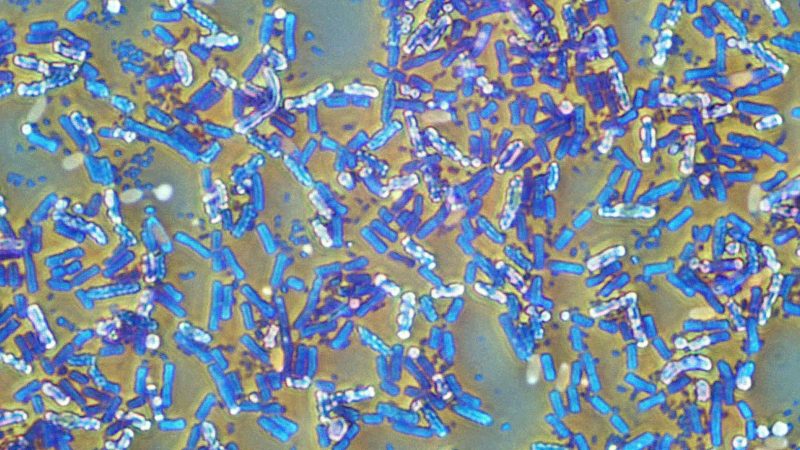
Researchers explain why bacteria stop making survival capsules after evolving in nutrient-rich environments.
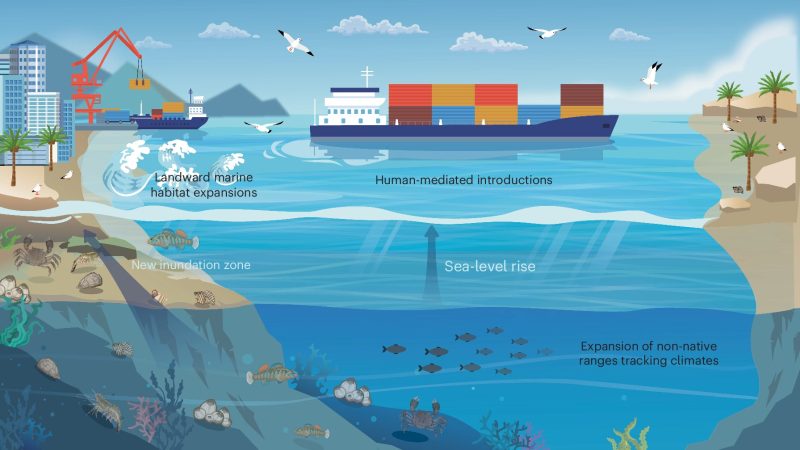
A study published in Nature Ecology & Evolution projects that rising global sea levels will flood coastal areas suitable for over a hundred non-native marine animals by the end of this century.