Exeter prosecuted cunning folk for witchcraft in early 1600s
University of Southampton historian research shows Exeter prosecuted service magicians for investigating lost goods while most of England ignored such cases.
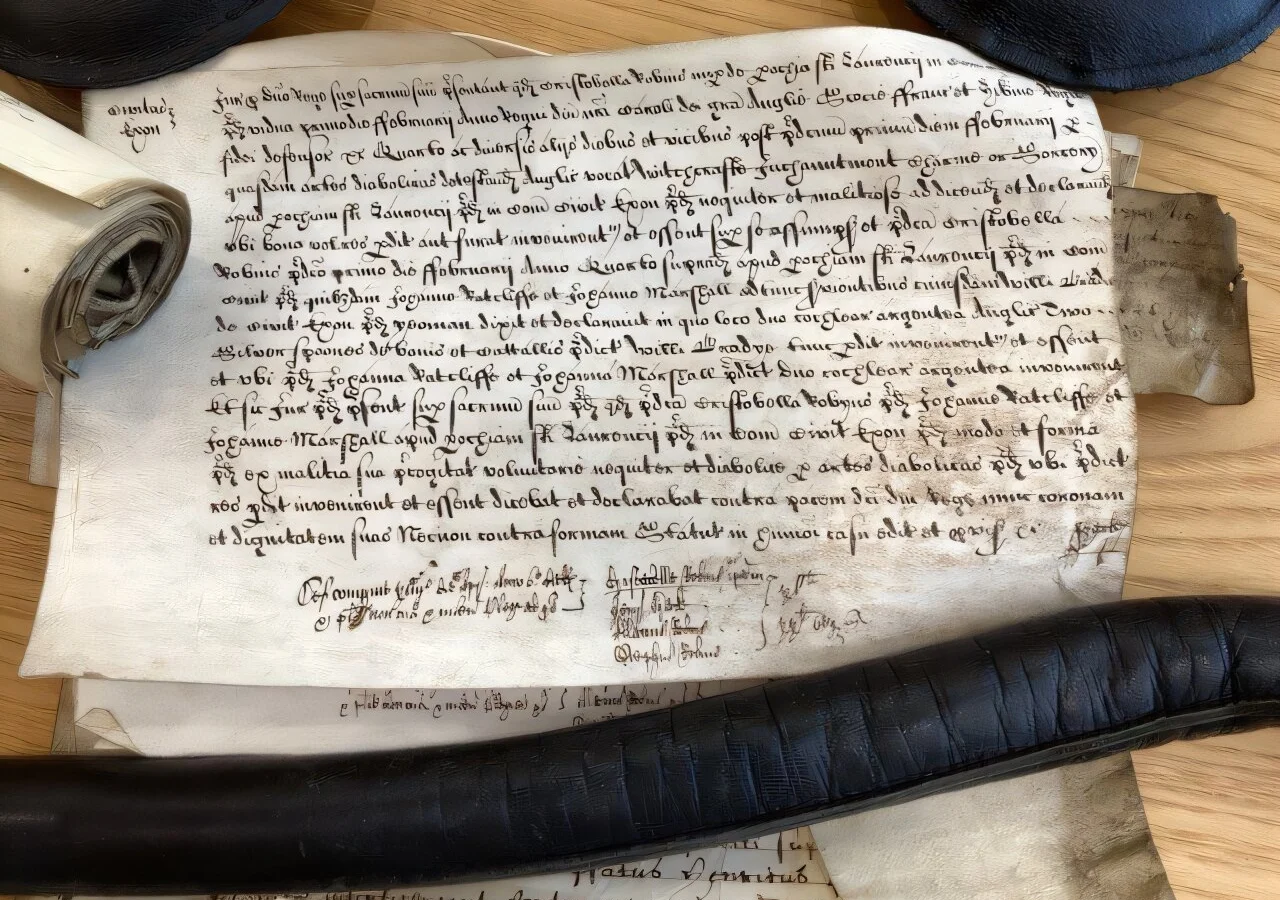
Magical investigators faced local justice
Service magicians known as cunning folk investigated missing items like jugs and coins in English cities four hundred years ago. These professionals charged cash to solve mysteries but operated under mystical powers unlike modern private investigators. Prosecutors generally ignored their work across England despite the outlawed nature of their magic.
Exeter took a hard line
Local justices of peace in Exeter pursued accused individuals with strict severity unlike other regions. Professor Mark Stoyle notes that Exeter remained the final English location to execute people for witchcraft until 1630. This city stood apart from the rest of the country where prosecutions became very rare by that decade.
Reported by one outlet
Only one outlet has published this. Nothing here has been checked against a second report, so read it as that outlet's account and follow the link below for the original.
Reported by
1 independent outlet. Headline as published. Links open the original report.