Stanford scientists rewire lymphoma protein to kill cancer cells in mice
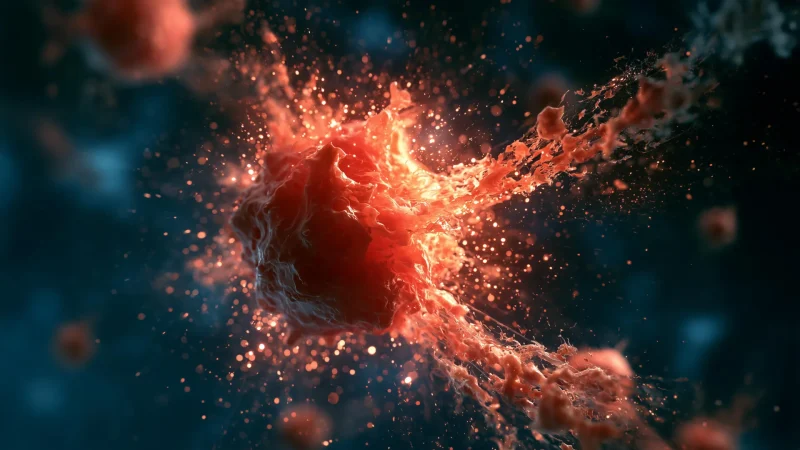
Stanford Medicine researchers developed a molecule that turns a B-cell lymphoma driver against tumors, eliminating them in mice within 11 days on October 7, 2026.
Stanford Medicine researchers developed a molecule that turns a B-cell lymphoma driver against tumors, eliminating them in mice within 11 days on October 7, 2026.
Property data firm Cotality reported that the combined capital auction clearance rate dropped to 45 per cent five weeks into the spring season.
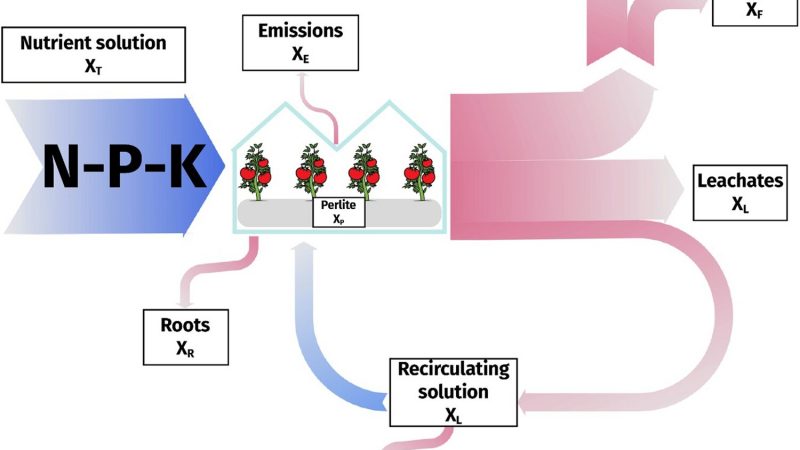
An eight-year analysis by ICTA-UAB researchers published in Agronomy for Sustainable Development explains how light and nutrients affect rooftop greenhouse crops.
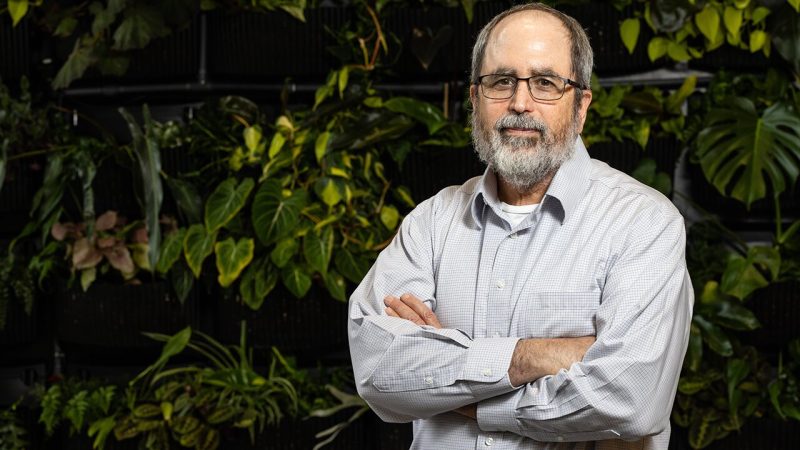
Scientists at the University of Missouri discovered a specific protein that helps plants survive multiple simultaneous environmental stressors.
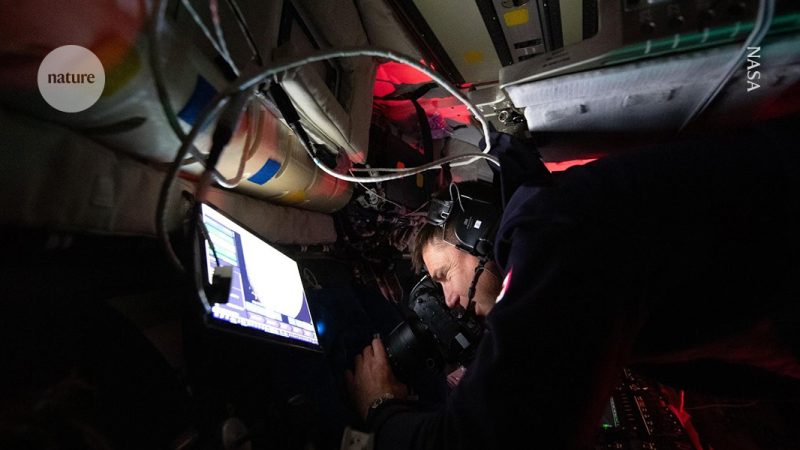
On October 7, NASA made public a large collection of images and recordings from the April Artemis II lunar flyby.
US President Donald Trump issued an executive order on 29 September directing federal agencies to use the term Super Intelligence instead of artificial intelligence.
A study by Bielefeld University published in Work & Stress finds that daily work changes contribute to employee exhaustion ahead of World Mental Health Day on Oct 10.
A team led by Professor Su-Il In at DGIST developed a polymer-coated MXene catalyst in collaboration with universities in Korea and Thailand to improve carbon dioxide-to-methane production.
Scientists have confirmed a powerful radio galaxy originating nearly 12.5 billion years ago is located at redshift 4.946.
Scientists at the University of Greifswald published new research in Nature journals showing how enzymes break down difficult plastics like PET.