Deep reefs lose ability to shelter corals from heat
A new study published in Geophysical Research Letters finds that deep reefs between 90 and 150 meters can no longer protect corals from intense marine heat waves.
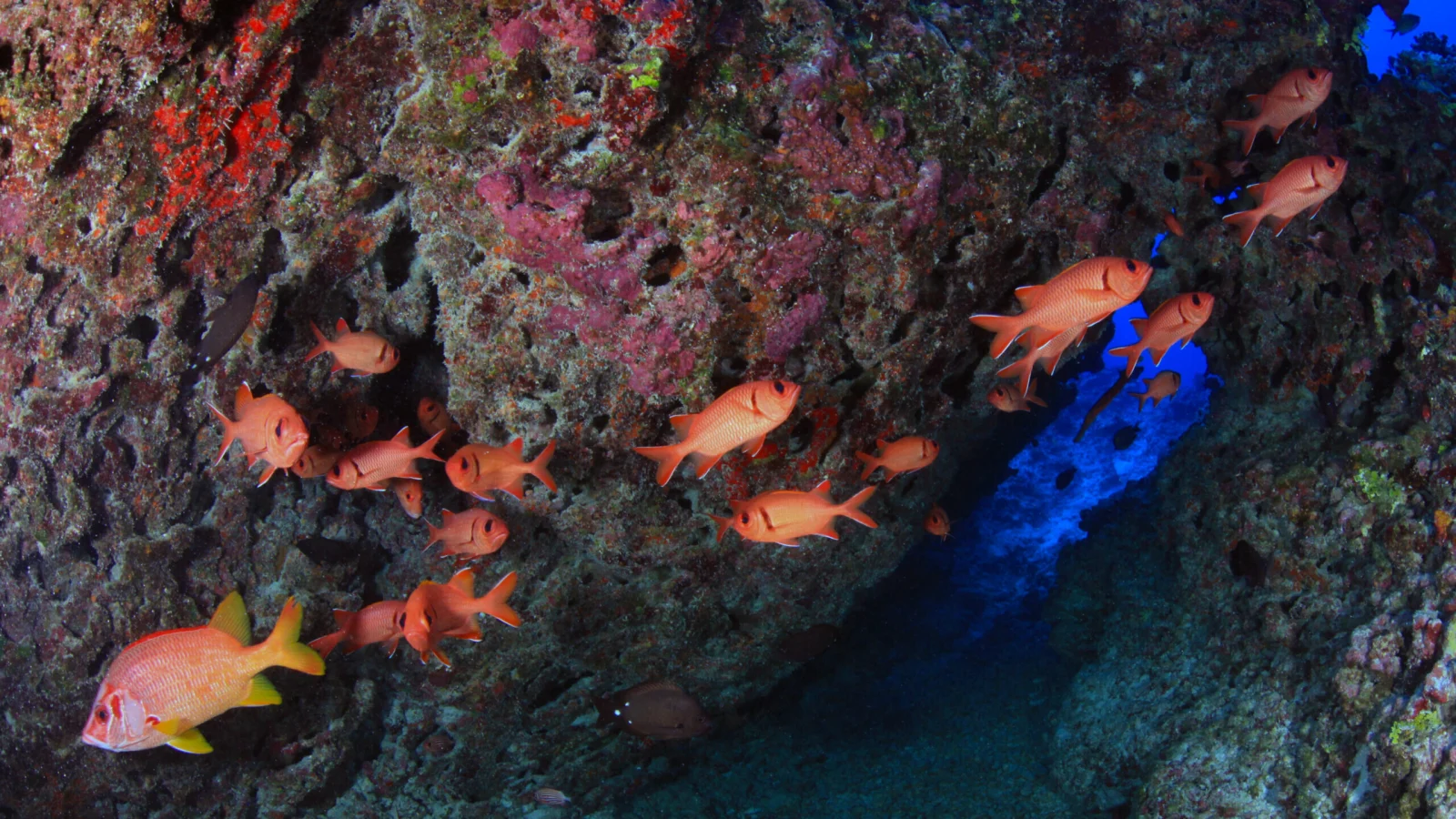
Study reveals warming at depth
Researchers analyzed global maps of warm-water coral reefs to simulate daily water temperatures down to 150 meters from 1993 to 2023. These simulations used ocean circulation patterns and physics to fill gaps where satellite measurements could only see surface temperatures. Researchers monitored marine heat waves, which are periods lasting a minimum of five days when ocean temperatures exceed 90 percent of past data, recording their count, length and warmth. Oceanographer Chunzai Wang from the Chinese Academy of Sciences stated that ocean warming is not just a surface problem but affects survival deep beneath the surface.
Heat waves hit deeper reefs
Before 2010, marine heat waves typically impacted less than 50 percent of global reef areas per year and largely spared deeper reefs from sustained high temperatures. Yet during the period from 2010 through 2023, more than half of tropical reef systems worldwide experienced heat waves in eight out of thirteen examined years. During this time, every year except two saw reef heat waves deeper than 90 meters lasting at least 15 days on average. These events typically brought temperatures around 2 C higher than normal conditions recorded for that specific time of year.
Worst conditions seen recently
According to the study, the most severe coral conditions resulted from three consecutive La Niña events that took place between 2020 and 2023. Prior to this date, deep reefs may have been plausible coral refuges but that situation has changed significantly with rising global temperatures. Marine heat waves increase the chances of disrupting tiny algae living within corals leading to bleaching and mass die-off events. As this intensification deepens, tropical corals risk losing access to cooler waters for refuge, which endangers fish stocks and tourism across reef areas.
Reported by one outlet
Only one outlet has published this. Nothing here has been checked against a second report, so read it as that outlet's account and follow the link below for the original.
Reported by
1 independent outlet. Headline as published. Links open the original report.