Proteome analysis confirms Xujiayao fossils belong to Denisovan lineage
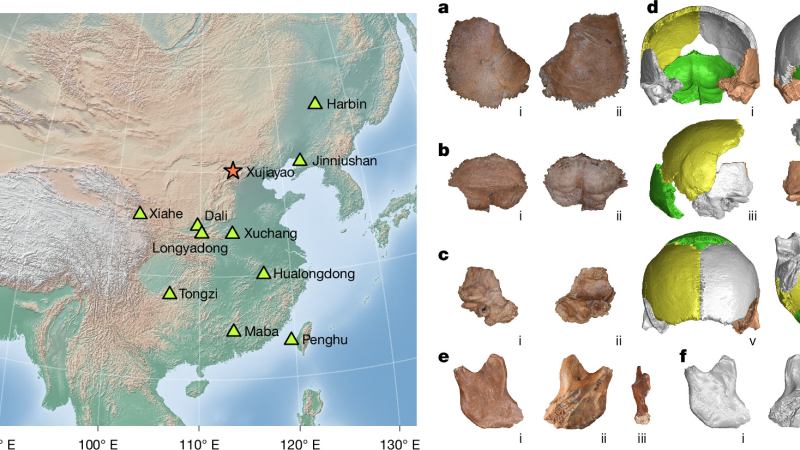
Researchers in China have used protein analysis and skull comparisons to prove Middle Pleistocene Xujiayao hominins are part of the Denisovan group.
Researchers in China have used protein analysis and skull comparisons to prove Middle Pleistocene Xujiayao hominins are part of the Denisovan group.
Researchers have developed enzyme-embedded polyesters that significantly accelerate the breakdown of compostable plastics in coastal waters and at depths reaching 5,503 meters.
A team of researchers has created a new open-source framework for a personal health agent that processes data from wearables and medical records.
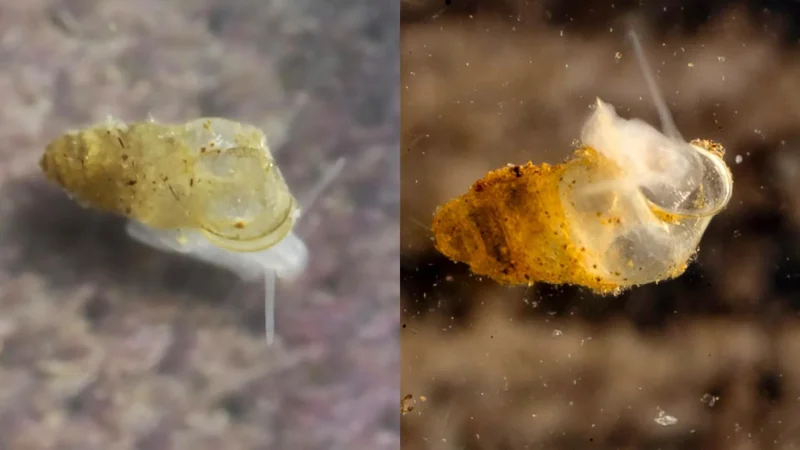
Researchers discovered a rare, eyeless freshwater snail species deep inside a high-altitude cave in China on October 20, 2026.
Scientists at the German Center for Neurodegenerative Diseases report on October 20, 2026, that ten distinct dietary patterns are associated with slower biological aging.
Mayer Hillman, a social scientist who predicted climate change impacts decades ago, has died at the age of 94.
Reporters and industry observers attended the Monaco Yacht Show to examine superyachts and community norms.
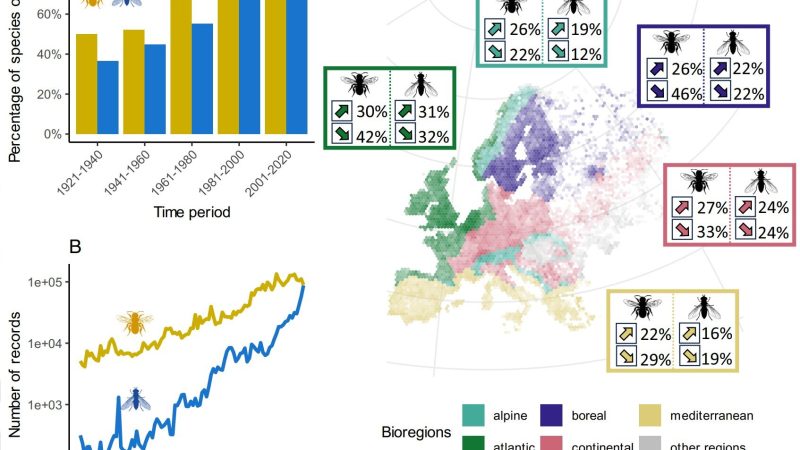
Researchers analyzed more than four million records to reveal that wild pollinators in Europe are disappearing from many areas where they were found a hundred years ago.
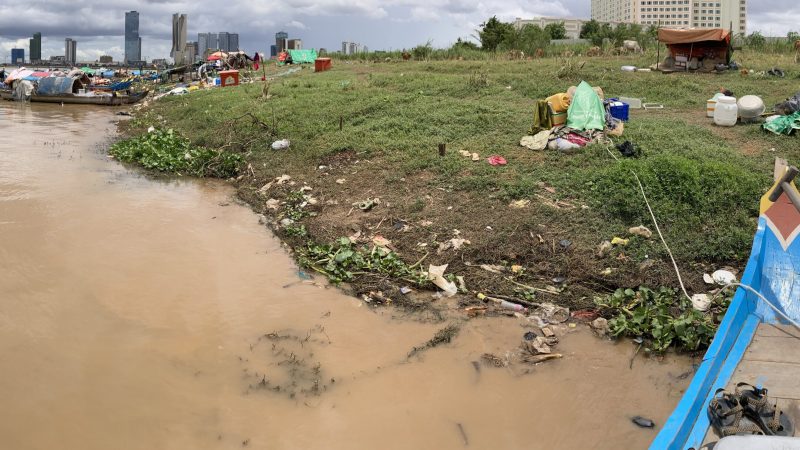
Scientists found that limited waste collection services in rural Cambodian communities are connected to elevated microplastic concentrations in the Mekong River.
OpenAI published answers to 719 unsolved mathematical problems last week, prompting reactions from top mathematicians and research foundations.