Ancient DNA reveals extinct Hispaniola bird was a snipe
Researchers at the Florida Museum of Natural History used ancient DNA to identify an extinct bird from Hispaniola as a snipe rather than a woodcock.
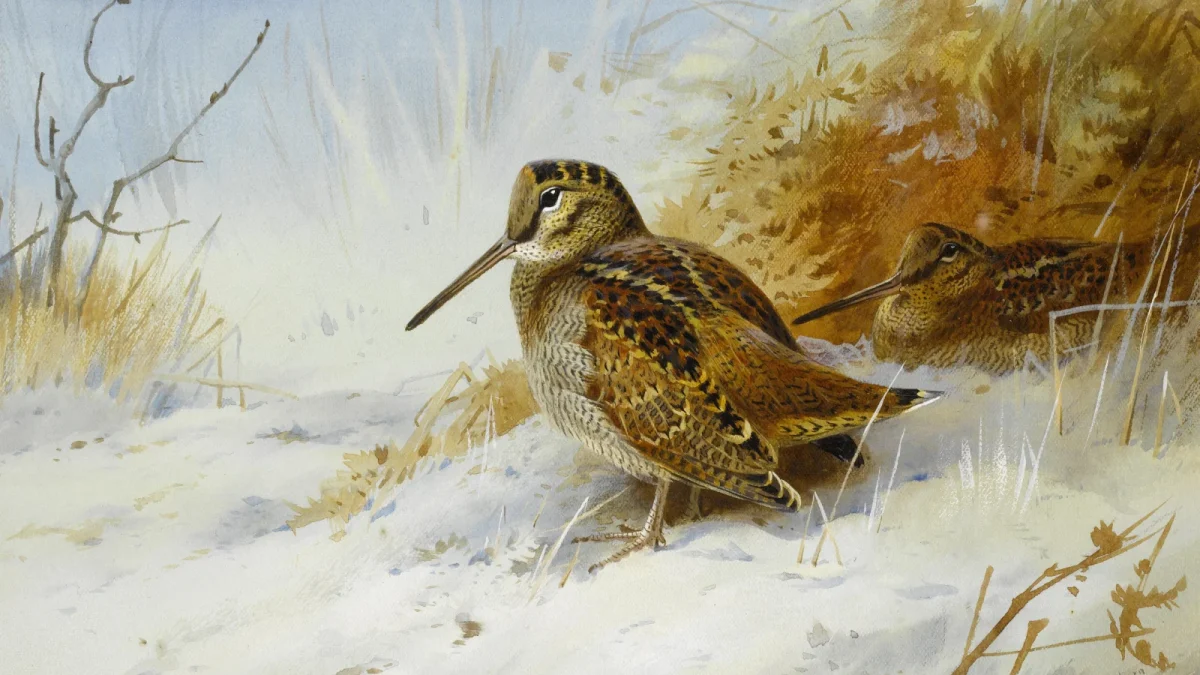
Extinct fossil reclassified by scientists
Min Zhao, who previously served as a postdoctoral associate at the Florida Museum of Natural History, stated that the tale started with fossils dug up in 1984 from a Haitian cave. These specimens were originally identified as a woodcock in 2015 based on physical traits like long curved beaks and short wings. Researchers released a fresh analysis in the Proceedings of the National Academy of Sciences that sequenced ancient DNA extracted from those particular fossil specimens. Genetic testing revealed that the bird previously identified as a woodcock was in fact a snipe. Snipes and woodcocks share the distinction of being each other's nearest kin, having split from an ancestral lineage approximately 25 million years in the past.
Island birds settle permanently instead of migrating
David Steadman, who serves as the emeritus curator of ornithology at the Florida Museum and coauthored the study, observed that shorebirds typically nest within the Arctic tundra before spending their winters in South America. Unlike curlews which travel 10,000 km without stopping, woodcocks and snipes include species whose ancestors opted out of migration to settle on islands. There are eight living species of woodcock and six of them are endemic to islands across the Caribbean and Pacific regions. Scientists gathered tiny tissue pieces from museum specimens representing every woodcock and snipe species except one of the 29 living types. Jessica Oswald extracted and sequenced DNA from these samples to reconstruct a family tree from the historical collection.
Reported by one outlet
Only one outlet has published this. Nothing here has been checked against a second report, so read it as that outlet's account and follow the link below for the original.
Reported by
1 independent outlet. Headline as published. Links open the original report.