Welsh adventurer Ash Dykes kayaks Congo River and sparks global interest
Welsh extreme athlete Ash Dykes completed a 500-mile kayak journey down the Sangha River in Central Africa last month while filming for Project 6.
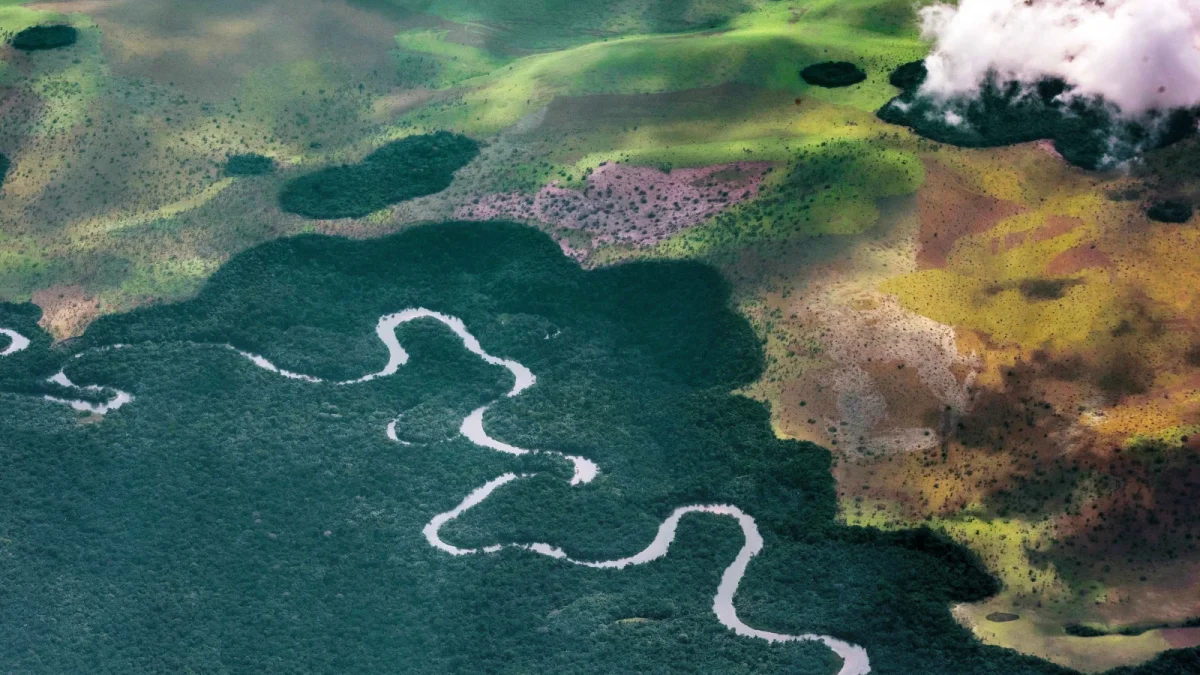
Viral video shows river encounter
Ash Dykes paddled with guide Obed Temba Tuyumvire and cameraman Will Perez when bubbles stirred the water. The team faced potential threats from hippos or gorillas during their trip through Cameroon and the Republic of Congo. A one-minute video posted on TikTok gathered over 8 million views quickly. Viewers debated whether a water spirit named Mami Wata caused the disturbance in the river.
Expedition documents tribal life
The group spent time with the Ba'Aka people inside the Dzanga-Sangha Protected Area during their journey. They foraged for wild coconuts and joined a traditional hunt organized by local residents. Millions of online followers watched footage of forest elephants and swarms of bees chasing the kayaks. The expedition team later expanded these short clips into a longer YouTube series detailing their travels.
Project 6 aims to explore
This first leg serves as part of an ambitious plan called Project 6 led by Dykes. The Welshman previously walked the entire 4,000-mile Yangtze River in nearly one year to break records. His next stop involves crossing Kyrgyzstan on horseback while enduring subzero temperatures later this year. Dykes stated he wants to learn from unfamiliar corners of the world and test impossible feats.
Reported by one outlet
Only one outlet has published this. Nothing here has been checked against a second report, so read it as that outlet's account and follow the link below for the original.
Reported by
1 independent outlet. Headline as published. Links open the original report.