Phone hotspots offer convenience but drain battery and data
Tech analysts explain the benefits and drawbacks of using a smartphone as a mobile internet hotspot for laptops and tablets.
Convenience and security advantages
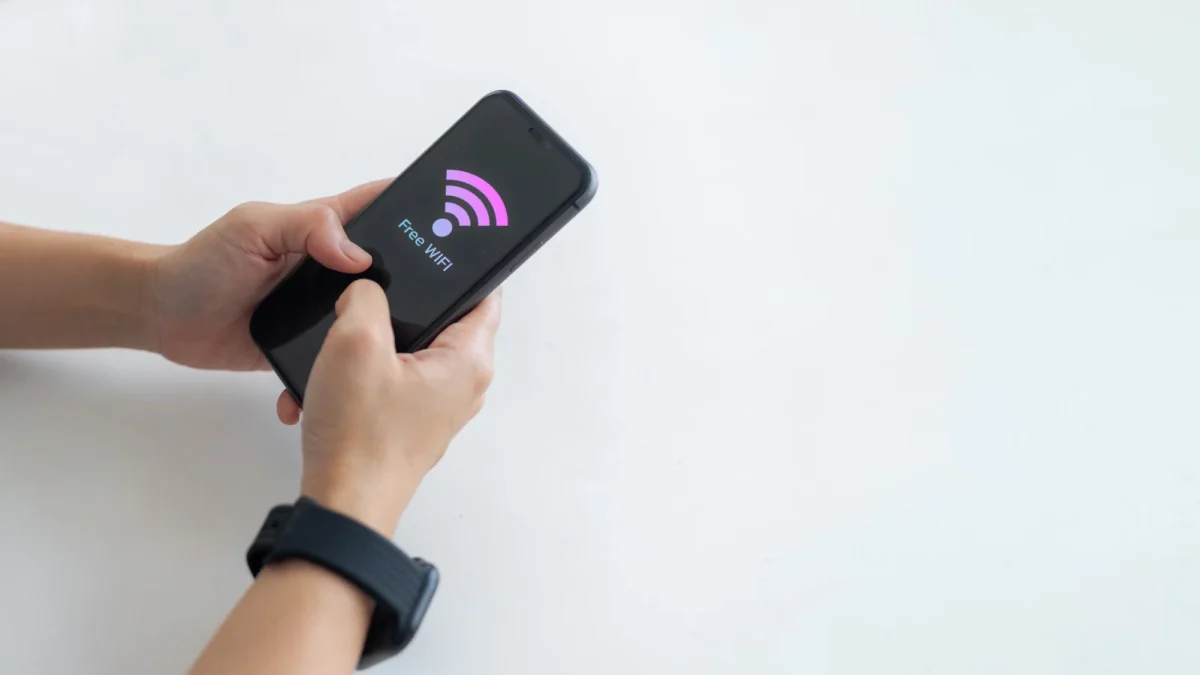
Users can share cellular data with laptops or tablets by activating a simple switch on their phone settings. This feature is known as Personal Hotspot on iPhones and appears under Hotspot and Tethering on Android devices. The method avoids the need for a second gadget to charge while allowing calls and texts to continue normally. Security improves because the user controls who connects to the network instead of joining unsafe open Wi-Fi networks.
Battery drain and data limits
Running a hotspot is power intensive, causing the phone battery to drop noticeably faster while the feature remains active. Users can solve this issue by refilling the battery with a power bank or using their laptop charger. Data plan limitations also matter because exceeding a hotspot cap can slow internet speed or increase monthly costs significantly. Streaming video calls will burn through that data cap quickly if the user does not monitor usage carefully.
Cost efficiency versus dedicated devices
Using a phone as a hotspot is cost efficient because it skips the expense of buying a dedicated device and an extra plan. This option makes sense for people who need a backup connection only a few times each month. However, remote work and travel trends mean more people rely on these portable internet options away from traditional offices.
Reported by one outlet
Only one outlet has published this. Nothing here has been checked against a second report, so read it as that outlet's account and follow the link below for the original.
Reported by
1 independent outlet. Headline as published. Links open the original report.