Drone survey reveals split fate for New Zealand penguins
University of Otago scientists report a population divide among endangered Erect-crested penguins on Bounty and Antipodes islands in November 2026.
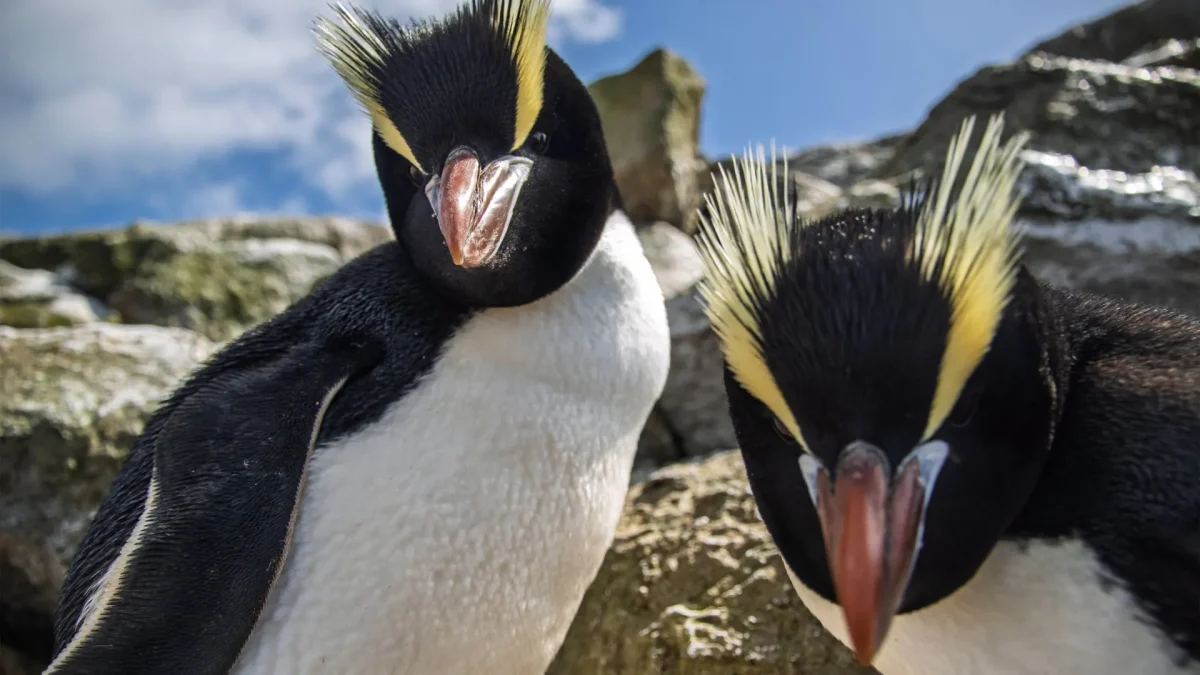
Drone surveys count breeding pairs
A new study published in PLOS ONE details the results of drone surveys conducted between 2022 and 2024. Dr Thomas Mattern from the Tawaki Project led the research alongside partners from the Antarctic Research Trust and Global Penguin Society. The team photographed every colony to count breeding pairs across both remote island groups located 800 kilometers southeast of the South Island. Results show the tiny Bounty Islands hold about 27,800 pairs while the larger Antipodes Islands hold roughly 29,800 pairs despite being 40 times bigger.
One population stable other declines
Comparing new counts with historical records from the mid-1990s shows starkly different trends for these two groups. According to Dr Mattern, the population of The Bounty Islands has stayed virtually the same for a minimum of 25 years. In contrast the Antipodes Islands population has declined by more than 40 percent since 1995 over the past three decades. Researchers believe natural predators worsening storms and changing ocean conditions drive this divergence between the two locations.
Predators weaken as colonies shrink
Native subantarctic birds called skuas prey on penguin eggs and chicks at both sites. With Antipodes colonies diminishing in size during recent decades, the collective protection they formerly offered against these predators has weakened considerably. This loss of protection allows predation losses to increase while smaller groups struggle to survive changing ocean conditions.
Reported by one outlet
Only one outlet has published this. Nothing here has been checked against a second report, so read it as that outlet's account and follow the link below for the original.
Reported by
1 independent outlet. Headline as published. Links open the original report.