Review of 181 studies finds handcrafting boosts well-being
Lisa Lock and Andrew Zinin report that a new review of 181 studies identifies five psychological benefits of making things by hand.
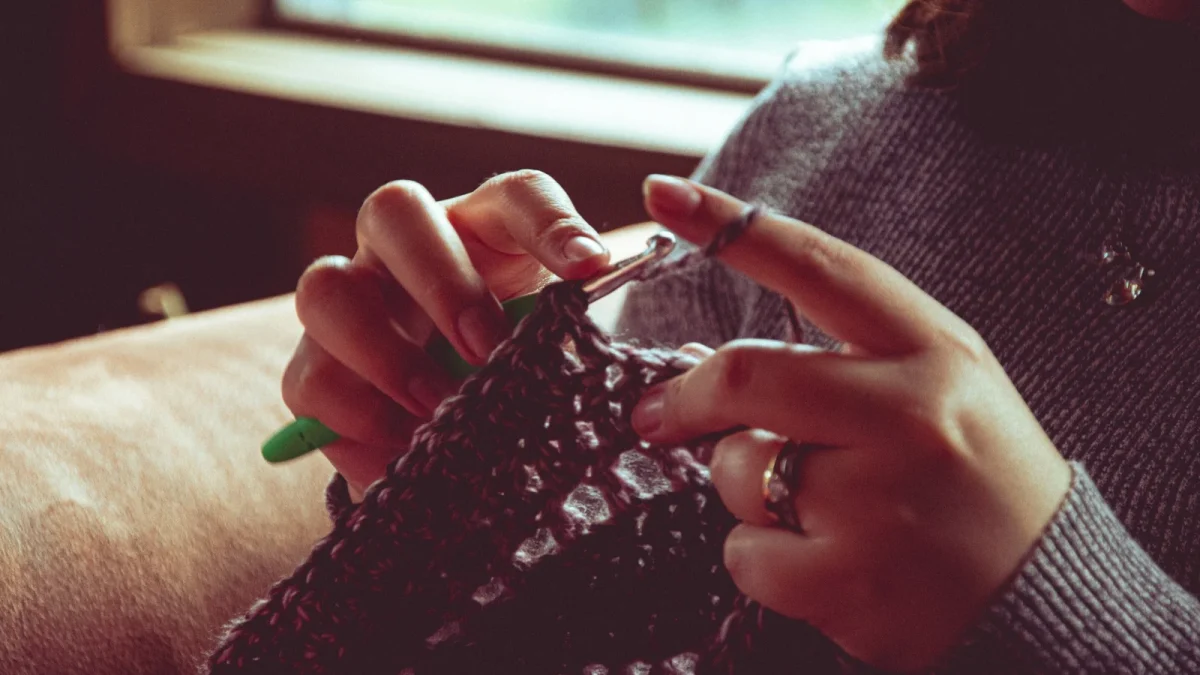
Handmade work reduces daily stress
A review published in the journal Psychology & Marketing analyzed findings from 181 separate studies. Researchers found that engaging in manual tasks like gardening or knitting can make people happier. One specific study examined 3,545 knitters worldwide to measure these effects. Participants who knitted more frequently reported feeling calmer and happier than others. The repetitive nature of the work provides a break from a hectic daily pace.
Self-made items increase personal value
The review highlights the famous Ikea effect regarding how people value objects they create. Studies show individuals feel more capable and in control when using equipment they assembled themselves. Students encouraged to build their own physical education gear showed increased enthusiasm for exercising. This sense of accomplishment extends to simple tasks like preparing dinner for children.
Technology cannot replace manual pleasure
The authors argue that AI will never take away the specific pleasure of handcrafting. An observer pointed out that the enthusiasm for crafting items manually has endured through many ages of advancement. Thirty-eight studies explored psychological benefits while another 35 focused on feelings of independence. These findings suggest humans retain a unique connection to objects they build personally.
Reported by one outlet
Only one outlet has published this. Nothing here has been checked against a second report, so read it as that outlet's account and follow the link below for the original.
Reported by
1 independent outlet. Headline as published. Links open the original report.